The temperature of the water used for washing your face can significantly impact your skin, particularly its effect on pores. Pores are crucial facial features that play a role in regulating oil, hydration, and preventing blemishes. While it's a common belief that warm water opens pores and cold water shrinks them, the reality is more nuanced.
Understanding Pores
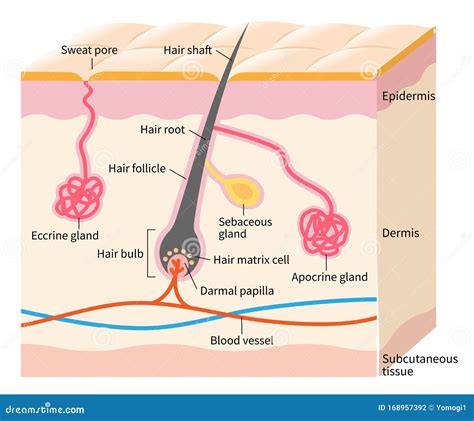
Pores are the openings of hair follicles and sebaceous glands on the skin's surface, responsible for discharging sebum (your skin's natural oil) and sweat. The size of your pores is primarily determined by genetics, but it's also influenced by age, skin type, and environmental factors. People with oily skin often have more visible pores because excessive sebum secretion can dilate them. As skin ages, it loses collagen and elasticity, which can also make pores appear larger. It's important to understand that pores do not have muscles and therefore cannot actively open or close like doors. The perceived changes in pore size are typically temporary visual effects.
When sebum builds up and mixes with dead skin cells, it can stretch the pore opening, making it appear larger, much like an inflated balloon. Some individuals are naturally born with larger pores, and skin type plays a significant role. Those with dry skin often have smaller-looking pores due to less oil production. Aging skin, with its reduced firmness and collagen, can lead to sagging and wider-looking pores, a process that can be accelerated by sun damage.
The primary function of pores is to allow oil to reach the skin's surface, keeping it moisturized and protected. Sealing them completely would impair the skin's ability to regulate temperature through sweat and prevent essential oils from reaching the surface.
The Effects of Cold Water on Skin
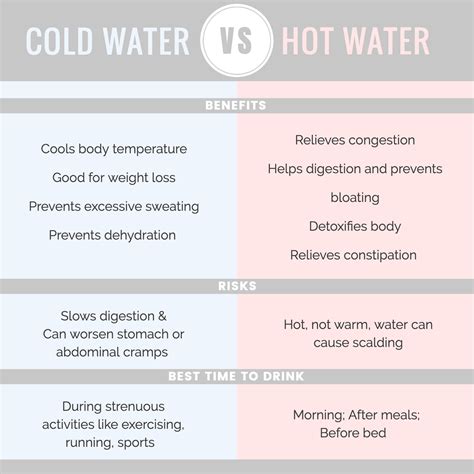
Cold water's primary effect on the skin is its ability to constrict blood vessels. This action can temporarily make the skin appear tighter and paler, and the pores less obvious. This vasoconstriction is a physiological response to help maintain core body temperature. This temporary tightening can reduce puffiness, which is often a concern in the morning. However, these depuffing effects may not be very long-lasting as blood vessels tend to dilate again relatively quickly.
Cold water can also act as a natural astringent, helping to make pores appear less visible while locking in the skin's natural oils. For those with oily skin, constricting the pores with cold water may help control excess oil, reducing shine. Furthermore, cold water may improve blood circulation, giving the skin a healthy glow and potentially reducing the appearance of fine lines and wrinkles.
Cold water can also calm irritated skin and reduce redness, making it beneficial after a workout or a hot day. For dry or acne-prone skin, cold water is a good alternative to hot water, which can strip essential sebum levels and exacerbate dryness.
Potential Drawbacks of Cold Water
While cold water has its benefits, it also has drawbacks. If dirt and debris are trapped in your pores, cold water's constricting effect may make it more difficult for your cleanser to penetrate and wash away impurities. Exclusively using cold water could potentially lead to an increase in breakouts and pimples, especially for those with acne-prone skin. For individuals with sensitive skin or conditions like rosacea, extremely cold water could trigger a mild flare-up.
It's important to remember that cold water is significantly lower than normal skin temperature. A balanced skincare routine aims to work with your skin's natural physiology, and extreme temperatures can disrupt this balance.
The Effects of Warm and Hot Water on Skin
Warm water can help to loosen dirt and oil on the face, making it easier for your cleanser to work effectively. It can dissolve sebum more effectively, which is why the skin often feels cleaner after washing with warm water. Warm water can make the skin more pliable and loosen accumulated debris, allowing it to be flushed out more easily, which can make pores appear smaller. However, water that is too hot can strip the skin of its natural oils, leading to dryness and irritation. It can also worsen redness and potentially break down proteins in the skin, making it more susceptible to issues like eczema and breakouts.
The American Academy of Dermatology recommends washing your face in lukewarm water. This temperature is considered the ideal middle ground, as it effectively cleanses without causing dryness or irritation. It preserves the skin's natural oils while allowing for effective cleansing and can also improve the absorption of skincare products.
What is the Ideal Water Temperature for Washing Your Face?
The ideal water temperature for washing your face is lukewarm, generally between 68-72°F (20-22°C), or close to the skin's surface temperature (around 32-34°C). This temperature is gentle on the skin barrier, cleans effectively without causing dryness, and is suitable for most skin types. Most facial cleansers are formulated to work best with lukewarm water.
Recommendations for Different Skin Types:
- Oily Skin: Use lukewarm water to help dissolve oil and unclog pores. Warm water (no more than 37°C) can also be effective for dissolving excess oil.
- Dry Skin: Stick with lukewarm water only. Cool or slightly warm water is preferable to avoid excessive removal of protective sebum.
- Acne-Prone Skin: Use lukewarm water and a gentle, non-comedogenic cleanser. Lukewarm water is best as it cleanses without irritating or drying the face.
- Sensitive Skin: Avoid extreme temperatures. Use mild water temperature and shorten the cleaning time.
- Mature or Aging Skin: Lukewarm water paired with hydrating products is key to maintaining skin's elasticity and moisture.
If you wish to incorporate the benefits of cold water, a recommended approach is to first cleanse your skin thoroughly with your regular cleanser and lukewarm water to remove makeup, dirt, and grime. Afterward, finish with a splash of cold water to potentially gain benefits like reduced puffiness and a healthier glow.
Improving the Appearance of Pores
While you cannot permanently shrink pores, their appearance can be minimized through consistent skincare practices. Regular exfoliation helps remove dead skin cells that can clog pores. Using skincare products containing ingredients like retinol, niacinamide, and salicylic acid can promote cell renewal and refine skin texture. Strict sun protection is crucial to prevent collagen loss, which contributes to enlarged pores.
For persistent or significant pore concerns, professional treatments such as chemical peels, microneedling, or laser treatments can stimulate collagen regeneration and structurally improve the appearance of pores. Additionally, maintaining a healthy diet and adequate water intake contributes to overall skin health.
A balanced approach is key. Washing your face twice daily-morning and night-is essential. Morning cleansing removes impurities accumulated overnight, while nighttime cleansing removes the day's buildup of makeup, dirt, and pollutants. Be gentle when cleansing, using your fingertips, and patting your face dry with a soft towel. Wash your face after any workout to remove sweat, which can clog pores. Ultimately, focusing on the integrity of the skin barrier, maintaining moisture balance, and long-term care is more beneficial than pursuing instantaneous pore contraction.