Protecting your skin from the sun is paramount. Alongside seeking shade and wearing protective clothing, using sunscreen is your most effective defense against sunburn, premature aging, and skin cancer. While many dermatologist-recommended sunscreens can be pricey, numerous affordable alternatives offer excellent protection. It's important to remember that sunscreen efficacy is regulated, meaning an SPF 30 sunscreen will provide the same level of protection whether it costs $10 or $50.
Understanding Sunscreen Ingredients
Navigating the world of sunscreen ingredients can be complex. Sunscreens primarily use two types of active ingredients:
- Physical blockers: These include titanium dioxide and zinc oxide. They sit on top of the skin and physically block UV rays. They are generally considered gentler and less likely to cause irritation.
- Chemical filters: These ingredients, such as avobenzone, homosalate, octinoxate, and octocrylene, work by absorbing UV rays and converting them into heat. They tend to be more cosmetically elegant, absorbing into the skin without leaving a white cast.
When choosing a sunscreen, consider ingredients that might be problematic for your skin. Some individuals may wish to avoid chemical sunscreen ingredients like oxybenzone and octinoxate due to environmental concerns (coral reef damage) or potential for allergic reactions. Additionally, ingredients like denatured alcohol, coconut oil, isopropyl myristate, ethylhexyl palmitate, added fragrances, and harsh alcohols can be pore-clogging or irritating for some.
Top Inexpensive Sunscreens for Your Face
Finding a sunscreen that balances effectiveness, skin type suitability, and affordability is achievable. Here are some of the best budget-friendly options:
For Overall Daily Use and Hydration
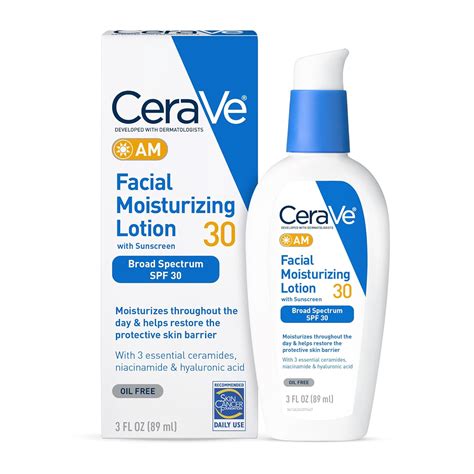
CeraVe AM Facial Moisturizing Lotion Broad Spectrum SPF 30 is frequently recommended by dermatologists and skin experts. It acts as both a moisturizer and a sunscreen, making it a convenient daily option for most skin types. This formula contains hyaluronic acid, a powerful hydrating ingredient often found in more expensive products. It also combines chemical filters for easy absorption with mineral blockers like zinc oxide for broad-spectrum protection.
Another CeraVe option, recommended for those seeking enhanced moisturization, is a formula that includes skin-repairing ceramides to support a healthy skin barrier and improve hydration, alongside hyaluronic acid and niacinamide for skin brightening.
For Acne-Prone and Oily Skin
For individuals concerned about breakouts, Neutrogena's formulas are often suggested. One particular product is designed specifically for acne-prone skin, with claims that it won't clog pores and helps absorb excess oil, preventing a greasy feeling. An SPF 55 version is also available, offering enhanced protection for beach days.
Differin Oil Absorbing Moisturizer with Sunscreen SPF 30 is another excellent choice for oily and acne-prone skin. It is fragrance-free, alcohol-free, and non-comedogenic, featuring an oil-free formula with water and dimethicone that works well to control shine.
For Sensitive Skin
Blue Lizard is an Australian brand praised for its sunscreens, particularly for sensitive skin. Their formula, suitable for both face and body, is water-resistant, making it ideal for active individuals or those who sweat a lot. It utilizes zinc oxide, a physical blocker, which is generally better tolerated by sensitive skin.
Aveeno's sunscreen is another purely mineral formula recommended for sensitive skin. It is formulated with non-nano zinc oxide, providing broad-spectrum protection without irritation.
Budget-Friendly Mineral Sunscreens
Finding an effective mineral sunscreen that doesn't leave a white cast can be challenging. Innbeauty Project's Mineral Sun Glow SPF43+ stands out as a mineral sunscreen that offers a transparent finish without a white cast. It's easy to apply, lightweight, and contains moisturizing elements to counteract the drying effects often associated with mineral formulas. While it has a slight shine, it is available in flexible shades that can offer a subtle bronzing effect.
Thrive Bodyshield Mineral Sunscreen SPF 50 is among the most affordable mineral sunscreens available. It is reef-safe, applies smoothly, has minimal fragrance, and offers excellent sweat and water resistance. While it may be slightly thicker than some high-end options, its performance and affordability make it a top choice.
Effective Options Under $20
Many excellent sunscreens are available for under $20, offering great value without compromising protection. These include:
- Neutrogena Pure & Free Baby Sunscreen SPF 60: A physical sunscreen that is fragrance-free, alcohol-free, and non-comedogenic, though it may leave a white cast due to its paste-like consistency.
- Cetaphil Daily Face Moisturizer Sunscreen SPF 50: A chemical sunscreen that absorbs well and works nicely under makeup, being fragrance-free, alcohol-free, and non-comedogenic.
- CeraVe AM Facial Moisturizing Lotion Broad Spectrum SPF 30: Praised for its moisturizing properties, non-irritating formula, and inclusion of hyaluronic acid, making it a good value.

Understanding Chemical vs. Mineral Sunscreens
The choice between chemical and mineral sunscreens often comes down to personal preference and skin sensitivity. Mineral sunscreens, using zinc oxide and titanium dioxide, are physical barriers that sit on the skin's surface. They are generally considered gentler and less likely to cause irritation, making them a good choice for sensitive or acne-prone skin. However, they can sometimes leave a white cast, though newer formulations are improving in this regard.
Chemical sunscreens absorb UV rays and convert them into heat. They are often preferred for their lightweight feel and lack of white cast. However, some chemical filters, like oxybenzone and octinoxate, have raised environmental and health concerns for some consumers. It's always advisable to check ingredient lists for any components that may cause irritation or allergic reactions for your specific skin type.
The Great Debate: Chemical vs Mineral Sunscreen with Expert Dermatologist Dr. Rogers
Key Ingredients to Look For (and Avoid)
- Look for:
- Broad Spectrum SPF: Ensures protection against both UVA and UVB rays.
- Hyaluronic Acid: For added hydration.
- Ceramides: To support the skin barrier.
- Niacinamide: For skin brightening and oil control.
- Zinc Oxide & Titanium Dioxide: For mineral, physical blocking of UV rays.
- Consider avoiding:
- Oxybenzone & Octinoxate: Due to environmental and potential health concerns.
- Added Fragrances & Harsh Alcohols: Which can be irritating.
- Pore-Clogging Ingredients: Such as isopropyl myristate and ethylhexyl palmitate, especially if you have acne-prone skin.
The best sunscreen is ultimately the one you will use consistently. Prioritizing daily application ensures you reap the full benefits of sun protection, regardless of the price point.
tags: #best #inexpensive #sunscreen #for #face