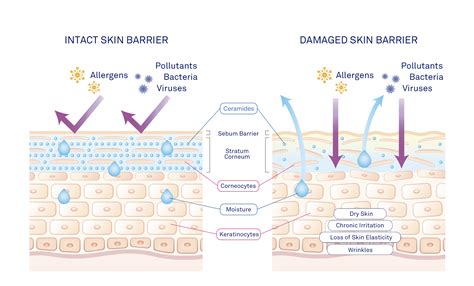
Achieving healthy, beautiful skin is a common goal, but the path to obtaining it can vary significantly depending on your skin type, the consistency of your daily regimen, and the careful selection of products. For those with dry skin, characterized by irritation, patchy redness, tightness, flakiness, and even fine lines, the underlying issue is often insufficient sebum production and a compromised moisture barrier. This means your skin isn't replenishing its natural oils quickly enough, leading to a loss of moisture. A skincare routine for dry skin is fundamentally about consistent, gentle habits focused on restoring and retaining moisture. Dry skin lacks not only water but also essential natural oils. The skin barrier, akin to a brick wall in healthy skin, functions to lock in moisture and keep irritants out. In dry skin, this vital protective layer is altered, allowing moisture to escape and irritants to penetrate more easily, manifesting dryness all over or in specific areas like the nose or cheeks.
Understanding Dry Skin
Dry skin occurs when the skin's uppermost layer does not retain adequate moisture. Healthy skin typically contains 20% to 35% water in its top layer. Unfortunately, for individuals with dry skin, water evaporates too quickly from the skin's surface. This happens when internal or external factors deplete the skin's natural oils, known as sebum, which are crucial for retaining water. Dryness is a widespread skin concern affecting all ages, though it tends to worsen with age, particularly after 40, as the skin becomes thinner and produces less sebum. Living in a cold, low-humidity climate can also exacerbate dryness. Furthermore, a weakened skin barrier, as indicated by recent studies, can make individuals more susceptible to experiencing dry skin.
The skin's natural moisture barrier, formally called the stratum corneum, plays a vital role in filtering out harmful toxins and preventing dryness. When it comes to skincare for dry skin, dermatologists generally recommend consistent, hydrating routines that include daily cleansing, moisturizing, and sun protection. Opting for moisturizing products with beneficial ingredients like ceramides, urea, or dimethicone is advisable. It's important to choose gentle, fragrance-free cleansers and avoid long, hot showers, which can strip the skin of its natural oils. Treat dry skin gently, refraining from harsh scrubbing or rubbing, and apply moisturizer regularly to alleviate dryness. Daily application of sunscreen with broad-spectrum SPF 30 or higher is essential, alongside other sun protection measures such as wearing protective clothing and seeking shade during peak hours.
It is crucial to remember that dry skin is unique to each individual and may require tailored care. If your dry skin is persistent, uncomfortable, or exhibits cracking, chafing, bleeding, or extreme itching, seeking the advice of a doctor or a board-certified dermatologist is recommended.
Building Your Skincare Routine for Dry Skin
The best skincare routine is one that you can consistently follow daily. If a complicated regimen feels overwhelming, opt for a simpler approach. Consistency is the key to managing dry skin effectively. Cleansers are essential for removing dirt, bacteria, and other impurities, making them a vital step in both morning and nightly routines. While foam and gel cleansers are popular, they may not always be the best choice for dry skin. Milk cleansers and cleansing balms are excellent options as they are gentle and less likely to strip the skin of its natural oils. Unlike foamy or gel cleansers, these are ideal for dry skin types.
Morning Routine
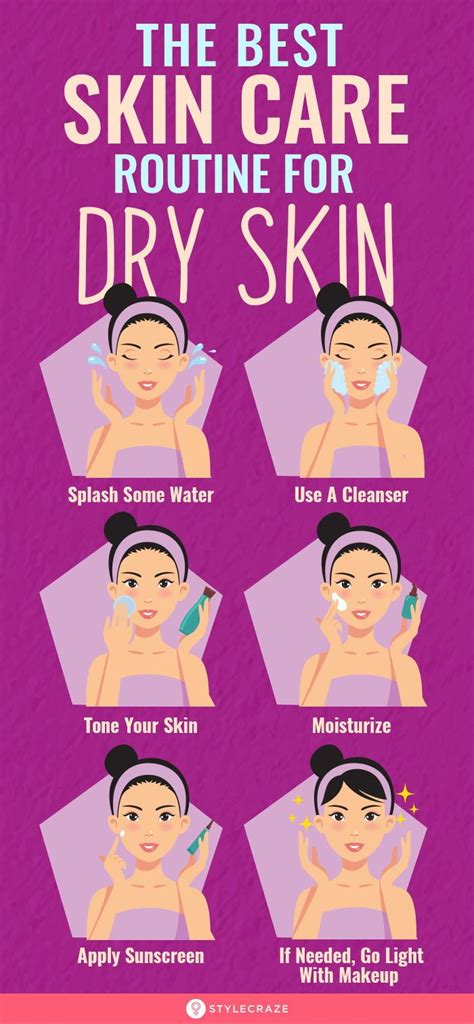
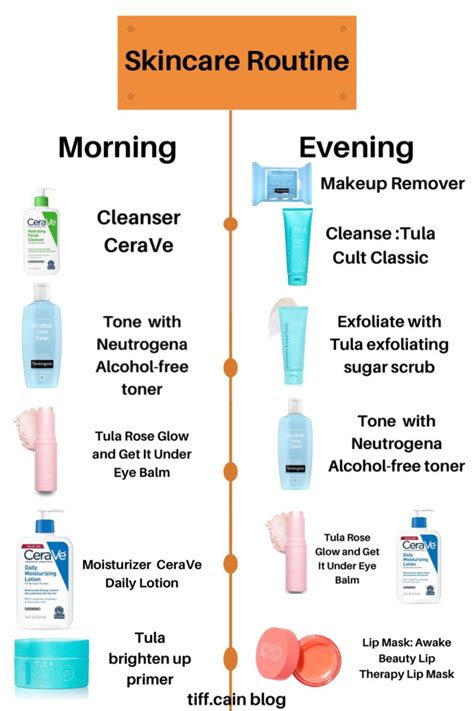
Begin your day by rinsing your face with lukewarm water or using a very gentle, creamy cleanser. A creamy cleanser is preferred over foaming ones as it helps to retain moisture. Follow this with a hydrating toner or essence to add an initial layer of hydration. A vitamin C serum can then be applied to provide antioxidant protection and further hydration. The most crucial step in the morning routine is a rich moisturizer to keep your skin feeling comfortable throughout the day. This step seals in the hydration from previous products and minimizes moisture loss. Always finish with a broad-spectrum sunscreen. Sunscreen is non-negotiable every single day, as sun exposure accelerates water loss, leaving the skin even drier.
Evening Routine
In the evening, start by using a cleansing balm or oil to effectively melt away makeup and sunscreen. These oil-based cleansers help to dissolve oil-based impurities without stripping the skin. After removing makeup and sunscreen, follow up with your gentle, hydrating cream cleanser. A couple of times a week, you can incorporate a mild exfoliant to remove dead skin cells. It's important not to over-exfoliate, as this can counteract the desired effect and lead to dehydrated skin. Opt for gentle chemical exfoliants, such as those with AHAs (alpha hydroxy acids) like glycolic acid, which can help renew the skin and attract water molecules. Following cleansing and exfoliation, apply your hydrating serums. The final step is a nourishing moisturizer or a thicker night cream to support your skin's recovery and repair process while you sleep, helping to lock in all the hydrating benefits.
Key Ingredients for Dry Skin
When selecting skincare products for dry skin, certain ingredients stand out for their exceptional hydrating and barrier-supporting properties:
- Hyaluronic Acid: This powerful humectant acts like a moisture magnet, drawing water into the skin to enhance its plumpness and hydration.
- Ceramides: These are natural lipids (fats) found in the skin that are essential for a healthy skin barrier. Replenishing ceramides helps to lock in moisture and prevent irritants from entering the skin.
- Glycerin: A reliable and effective humectant, glycerin draws moisture from the air into the skin's outer layer, contributing to soft, supple skin.
- Squalane: This lightweight, non-greasy oil is highly effective for moisturizing the skin without feeling heavy or occlusive.
Antioxidant serums, such as those containing vitamin C and hyaluronic acid, are excellent for keeping skin feeling soft and supple. They perform a dual function by both repairing existing damage and preventing future harm. These serums should be applied after cleansing the face.
Recommended Products and Brands
Numerous brands offer excellent products for dry skin. Brands like CeraVe and La Roche-Posay are renowned for their gentle formulations rich in ceramides and other beneficial ingredients. For those seeking rich, nourishing textures, brands such as Kiehl's Since 1851 and First Aid Beauty are worth exploring. Many of these brands are readily available at retailers like Ulta Beauty.
For winter skincare, focusing on supporting skin barrier health and preventing transepidermal water loss is key. Cleansing balms are a must during colder months, as their oil-based formulas effectively remove makeup and dirt while nourishing the skin. Creamy cleansers that do not strip the skin are also highly recommended. Hydrating and pH-balancing toners are essential steps that add moisture and improve the penetration of subsequent products. Serums containing ingredients like hyaluronic acid, ceramides, and peptides can provide extra nourishment and hydration. For nighttime repair, thicker moisturizers or night creams are beneficial. Finally, using an occlusive product at the end of your routine helps to seal in moisture and prevent water loss.
Dewy & Anti Ageing Skincare Routine For Dry Skin (AM & PM)
Lifestyle Factors for Hydrated Skin
Beyond your skincare routine, certain lifestyle habits can significantly impact your skin's hydration levels. Avoiding long, hot showers is important, as they can strip the skin of its natural oils. Staying well-hydrated by drinking plenty of water is also beneficial for overall skin health. Additionally, using a humidifier, especially during dry seasons or in arid climates, can help maintain moisture in the air, which in turn aids in keeping your skin hydrated. This adds moisture to the air, assisting in maintaining skin hydration without needing an extra skincare product.