Injection of hyaluronic acid (HA) dermal fillers is one of the most frequently performed aesthetic procedures. While the direct biological effects of dermal fillers, whether used as monotherapy or in combination with ablative fractional laser treatments (CO2 or Er:YAG), on human skin cells are not completely understood, these treatments are widely utilized for aesthetic improvement.
The cumulative process of degeneration induced by years of exposure to extrinsic factors such as ultraviolet irradiation, personalized diet, and pollution can accelerate the aging process. During aging, the skin is affected both in terms of quantity, leading to skin sagging, and quality, manifesting as changes in skin hydration, the appearance of spots and wrinkles, and a loss of skin elasticity. These changes are secondary to a combination of repeated muscle contractions, a decrease in skin collagen and elastic fibers content, depletion of hyaluronic acid (HA), and impairment of the connective tissue repair process.
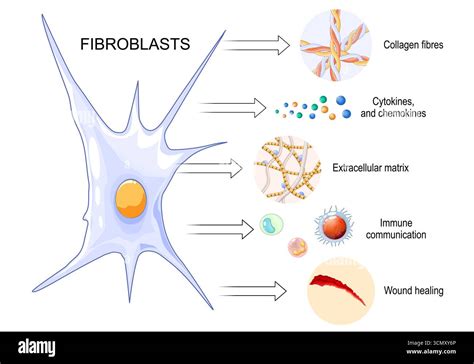
The collagen content of the skin is reduced due to decreased synthesis and a lower number of dermal fibroblasts, as well as excessive breakdown by matrix metalloproteinases. Concurrently, the HA concentration declines with age, resulting in reduced skin elasticity and the skin's water-holding capacity.
Different approaches to improve skin physiology to resemble that of younger individuals have been described in the literature. Among these, poly-L-Lactic acid (PLLA) and subdermal NASHA small particle injections have both been reported to improve the collagen and HA content of facial and off-face skin. Both procedures are non-surgical, minimally invasive, and generally well-tolerated.
Understanding Poly-L-Lactic Acid (PLLA)
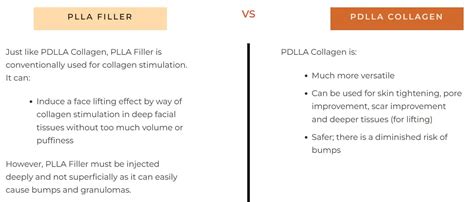
PLLA, commercially known as Sculptra® and Sculptra Aesthetic, is a synthetic, biocompatible, and biodegradable collagen biostimulator. After injection, it induces a subclinical, controlled inflammatory tissue response. The long-term efficacy of PLLA has been demonstrated at weeks 12 and 24 after treatment.
PLLA is known as a bio-stimulatory dermal filler, meaning it stimulates the skin's own production of new collagen. Over time, the skin breaks down PLLA into water and carbon dioxide. PLLA fillers are temporary, typically lasting up to two years, depending on the patient.
The FDA approved Sculptra in 2004 for treating lipoatrophy (thinning of the fat pads on the face) associated with the HIV virus. As individuals age, the fat, muscles, bone, and skin in the face begin to thin. This loss of volume leads to a sunken or sagging appearance. Injectable PLLA is used to create structure, framework, and volume in the face.
Mechanism of Action and Benefits
The primary mechanism of PLLA is collagen neogenesis, the most widely documented effect induced by its injection. The inflammatory response subsides within approximately six months, while increased collagen deposition is observed for 8-24 months, with optimal results typically achieved after multiple treatments. The age-related decrease in skin collagen content and dermal thickness leads to typical aging skin features, including thinning, laxity, loss of elasticity, wrinkles, and folds.
The decline of dermal collagen leads to increased skin deformation under stress, while fewer elastic fibers reduce the skin's capacity to restore its shape after stress. Consequently, inducing the formation of new collagen and supplementing HA to improve skin physiology toward a younger state is a logical approach to counteract skin aging.
PLLA in Facial Rejuvenation
For patients seeking to improve the skin quality of periorbital and perioral wrinkles and accordion facial lines, injections of PLLA (referred to as RSB in some contexts within the provided text) can suffice for extracellular matrix remodeling and collagen stimulation. A recommended treatment plan often includes initial facial treatments followed by subsequent injections at intervals of 30 to 60 days. Maintenance treatments are suggested every 9 to 12 months once the desired clinical effect is achieved.
The youthful face is characterized by an ideal balance between bone and soft tissues, providing optimal volume for the overlying skin envelope, resulting in smoother skin. PLLA can be used as a preventative measure against the first signs of aging and skin flaccidity. For younger patients experiencing premature or unexpected facial volume loss due to illness, steroid abuse, diet, or genetics, PLLA injections can be adapted to their specific clinical presentation.
In cases of skin flaccidity accompanied by loss of bone support, particularly around the pyriform aperture, the inferior portion of the zygoma, the mandible angle, and the lower face contour, an initial treatment with PLLA is recommended to maintain the integrity of soft tissue support and improve skin laxity. Additional sessions may be performed 4 to 6 weeks apart based on patient needs.
The pre-auricular area is particularly prone to volume loss due to reliance on superficial fat compartments for subcutaneous volume. If fine wrinkles and small imperfections persist after PLLA treatment, complementary treatments with HA-based fillers may be suggested to achieve desired outcomes not attainable with PLLA monotherapy alone.
Treatment Protocols and Considerations
The preparation of PLLA involves specific dilution protocols. Current recommendations, based on scientific evidence, include higher dilution volumes and immediate use after reconstitution. For facial treatments, a common protocol involves reconstituting PLLA with sterile water for injection (SWFI) and lidocaine, with immediate use after reconstitution. Higher dilution volumes than previously suggested and immediate use after reconstitution have been included in current recommendations.
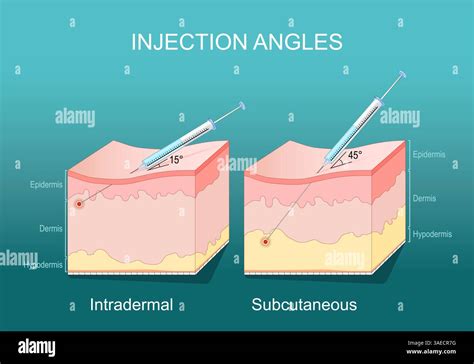
Injection technique for PLLA typically involves subdermal injections using cannulas or needles, avoiding direct dermal injection. Techniques like retrograde linear threading and fanning are recommended for correcting contour deficiencies and wrinkles. One to two vials per session are generally used for facial treatment, depending on the clinical indication.
Aftercare is crucial, and patients are advised to massage the treated area for several minutes immediately after each session and to continue self-massage at home for the first few days following the '5/5/5' rule (massage for 5 minutes, 5 times per day for 5 days). This massage helps ensure even distribution of the product.
The standard treatment plan for PLLA typically consists of 2 or 3 sessions spaced 30-40 days apart. The effects of PLLA generally last up to 24 months.
Hyaluronic Acid (HA) in Facial Aesthetics
Hyaluronic acid (HA) is a naturally occurring substance in the skin that plays a vital role in hydration and maintaining skin structure. As we age, the natural HA content in the skin decreases, contributing to reduced elasticity and increased wrinkle formation.
HA dermal fillers are widely used to restore lost volume, smooth wrinkles, and improve skin hydration. Unlike PLLA, which stimulates collagen production over time, HA fillers provide immediate results by adding volume and attracting water to the skin.
Synergy Between PLLA and HA
The combination of PLLA and HA injections can offer a synergistic approach to facial rejuvenation, addressing both volume loss and skin quality improvement.
If two collagen-stimulating methods are used in the same facial areas, European experts recommend a 4- to 6-week interval between treatments. However, if one treatment does not have a collagen-stimulatory activity, the interval can be shorter (e.g., 1 week).
For patients with fine wrinkles and small imperfections remaining after PLLA treatment, HA filler injections can be used to complement the treatment and achieve the desired outcomes that might not be fully met by PLLA monotherapy. The application of HA fillers can provide immediate smoothing and hydration, while PLLA continues to work on collagen stimulation over time.
The authors' recommendations suggest that if fine wrinkles and small imperfections remain after PLLA sessions, a subsequent application of HA fillers (e.g., 2-3 mL per session) may be performed 30 to 60 days, or even three months, after the PLLA session, depending on the clinical assessment. This approach aims to complement the treatment and achieve outcomes that might not have been solely achievable with PLLA.
The Best Korean PLLA Fillers | Juvelook, Mennus, Olidia & More
Treatment Considerations for Facial and Body Areas
The approach to treatment with PLLA and HA can vary depending on the area of the face or body being treated and the patient's specific concerns.
Facial Treatment Recommendations
When considering PLLA for facial rejuvenation, biological age rather than chronological age is important. The best results are often observed in patients aged 40-50 years, with potentially less consistent results in older individuals, as an attenuated response to collagen stimulation can be expected in subjects aged 60 years and above. However, endogenous collagen biostimulation with PLLA remains a valuable option for recontouring the face, especially in very lean subjects, offering more natural-looking results compared to traditional fillers.
Preparation and Injection for the Face:
- A recommended preparation method involves a two-step approach: initially reconstituting PLLA with 5 mL of SWFI, followed by adding 3 mL of SWFI. An optional step includes adding 1 mL of 2% lidocaine solution for patient comfort. No standing time is required before use.
- The authors recommend a higher volume reconstitution method, with a two-step preparation (5 + 3 mL) and routine addition of lidocaine, resulting in a total volume of 8 mL SWFI plus 1 mL lidocaine. A more diluted suspension can be considered in selected cases.
- Injection technique for the face typically involves subdermal injections using 22 G or 25 G cannulas, avoiding injections into the dermis. Recommended techniques for correcting nasolabial fold (NLF) contour deficiencies and cheek wrinkles include retrograde linear threading and fanning.
- One to two vials of PLLA per session are generally used for facial treatment, depending on the clinical indication.
Non-Facial Body Area Treatments
With aging, declining skin elasticity, loss of subcutaneous fat, and a less firm gluteal suspension system lead to decreased volume and ptosis of the buttocks. Skin quality is also impacted, with the development or worsening of striae distensae and cellulite. PLLA can be used to address these concerns.
Patient Selection for Body Areas:
- There are no absolute age or sex indications for body treatments with PLLA. Age influences the type of intervention and the areas selected. Cellulite and skin laxity are common concerns, with patients often seeking a lifting effect and improved skin texture in the gluteal/thigh region.
- Patients should be aware that peak treatment effects are generally observed 8-9 months after the first session.
Injection and Aftercare for Body Areas:
- Cannulas (18-23 G) are used for most body procedures, while needles (25 G or 26 G) can be used for cellulite treatment. Retrograde fanning and linear threading are common techniques.
- Volumes typically range from approximately 0.05-0.1 mL/cm² (or 0.1-0.2 mL/cm² for the gluteal area).
- Approximately 1 vial of PLLA per area equivalent to an A4 page is generally needed for body areas. Treatment of the buttocks may require 2-4 vials per side, while half to 1 vial is usually sufficient for the neck.
- After treatment, patients should be advised to massage the treated area following the '5/5/5' rule, as explained for facial injections.
Potential Side Effects and Limitations
Injection-site reactions, including transient bleeding, pain, and bruising, are generally short-lived, resolving within 2-6 days. The occurrence of these reactions can be minimized through proper dilution and injection techniques.
It is important to acknowledge the limitations of current recommendations, which are often based on the collective analysis and discussion of expert panels. While these provide valuable insights, they may not be fully representative of the broader clinical community. The absence of formal consensus methodologies in some studies may also influence the generalizability of findings.
tags: #biological #synergy #separate #plla #hyaluronic #acid