Daily facial sunscreen is non-negotiable, but many conventional formulas leave dry skin feeling itchy or irritated. Fortunately, modern sunscreens are now crafted to hydrate as they protect. We know daily sunscreen is non-negotiable, but those with dry skin can find many sunscreen formulas irritating and drying. This can lead individuals with dry or dehydrated skin to avoid sunscreen altogether-which is not a solution. But there are formulations specifically designed to soothe and hydrate; you just have to be on the lookout for certain ingredients and keywords. Keep reading to uncover the best face sunscreen for dry skin, plus other important details to consider.
Why Sunscreen Can Feel Drying
Slathering on sunscreen and immediately feeling dry, tight, or red? You’re not imagining things; it is certainly possible your sunscreen formula is to blame. Some sun filters naturally reduce or block the skin’s natural sebum production and absorb excess oil, which is fantastic for those with combination, acne, and oily skin. However, this occurrence can possibly make dry and sensitive skin feel dehydrated or flaky, which is likely what you are experiencing. It’s also possible, but more rare, that you might have a negative reaction to certain SPF filters. If skin feels red, hot, itchy, and inflamed after application, you might have an allergy and, if so, please consult with your dermatologist.
With all this in mind, it might feel tempting to skip sunblock altogether, but that is certainly not the answer. Remember that sunscreen is the single most important product you can apply to your skin-not only for fighting premature aging (including fine lines, wrinkles, and hyperpigmentation) but also dangerous illnesses (like skin cancer). Instead, grab a face sunscreen for dry skin that pairs mineral or chemical coverage with a creamy base and hydrating ingredients.
What Makes a Sunscreen Good for Dry Skin
The best sunscreen for dry facial skin is one that you love to use every day; that won’t cause further dryness, itching, or irritation; applies easily within your overall skincare and beauty routine; and is easy to reapply.
How to Choose a Sunscreen For Dry Skin
Struggling to choose the right sunscreen for your skin type? It can feel incredibly discouraging to continually test out sunscreen after sunscreen, only to feel the drying effects from each formula. However, not all sunscreens are created equal-in fact, there are specific sunscreens that are crafted with dry skin in mind. For those looking for a sunscreen for dry skin, seek out these specific qualities in your next sunscreen purchase.
A Creamy Texture
We’re spoiled for choice when it comes to sunscreen formulas: creams, gels, sprays, and tints. While gels and sprays are a great sunscreen option for oily skin, creams and liquids are a fantastic choice for dry skin as they naturally feel more nourishing and hydrating. Look for a creamy and luxurious-feeling sunscreen that promotes its moisturizing benefits and ingredients. They also will make the application process easier and more soothing, which is always an added plus when it comes to dry and sensitive skin.
Hydrating Protection
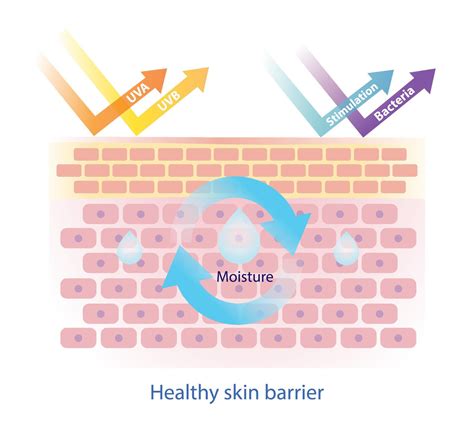
An effective sunscreen can work like a moisturizer booster, helping to increase hydration levels while also protecting from UVA and UVB rays. Look for ingredients like hyaluronic acid, glycerin, squalane, peptides, and ceramides, all of which help to replenish, nourish, and drench skin in hydration. Hyaluronic acid, squalane, and glycerin will specifically add hydration back into the skin, while peptides and ceramides boost hydration, inhibit further moisture loss, and strengthen and repair the skin barrier. The best face sunscreen formulas for dry skin will proudly state these revitalizing ingredients either on their description list or packaging. Any of these ingredients are a fantastic addition to your daily skincare routine, especially for a hydrating sunscreen.
Other Skin-Benefiting Ingredients
Make your sunscreen work overtime by using a formula that also includes additional skin-benefiting ingredients, like niacinamide. Niacinamide is a form of vitamin B3 that helps visibly reduce the appearance of enlarged pores and prevent oil and debris from getting backed up in the pores, which can lead to clogged and enlarged pores. Niacinamide is also anti-inflammatory, meaning it’s great for those that are acne-prone (skin can absolutely be both dry and acne prone). Plus, it’s been shown to improve the overall health of your skin, thanks to aiding in more ceramide production, which in turn increases the well-being of the skin barrier. All this means it’s a great boost to your sunscreen, no matter your skin type.
Broad Spectrum Coverage
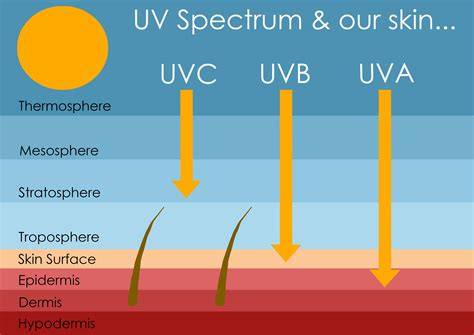
If it doesn’t proudly state its broad spectrum status, quite simply don’t use it. According to the FDA, the term broad-spectrum sunscreen means a product that can protect from the sun’s harmful ultraviolet A (UVA) and ultraviolet B (UVB) rays. For a sunscreen to receive the broad-spectrum label means it is FDA-tested and -approved. The American Academy of Dermatology recommends only using a broad-spectrum sunscreen, as it protects skin more thoroughly, from both UVA (which ages skin) and UVB (the rays responsible for burning) rays.
SPF 30+ Protection
SPF, which means Sun Protection Factor, identifies how well sunscreen can protect from a sunburn, specifically by filtering out UVB rays. The AAD recommends a sunscreen have an SPF of 30 or higher. This ensures the sunscreen can shield you properly from the sun, providing UVB protection as promised. Anything lower cannot provide the full coverage needed and will need to be re-applied more often and thoroughly. Speaking of reapplication, if you find yourself out in the direct sun, aim to reapply sunscreen every two hours.
The Best Sunscreens for Dry Skin
You’re mindful about how you cleanse, tone, exfoliate, and moisturize-and your sunscreen needs just as much thoughtfulness. Many brands have perfected sunscreen products that are ideal for dry skin. These are often creamy, have broad-spectrum protection, and are boosted with skincare ingredients so they not only offer coverage but also feel great on your skin.
Hydrating, Mineral Sunscreens
Some people with dry or sensitive skin gravitate toward mineral-based sunscreen because they find it to be gentler. While mineral filters can sometimes be difficult to blend into all skin tones, many modern formulas are designed for easier blending and minimal to no white cast.
Tatcha The Silk Sunscreen SPF 50 PA+++
This silky, lightweight, and nearly invisible formula offers 50+ coverage with 10 percent zinc oxide, a soothing active ingredient. While the protection may feel impossibly light, it’s packed with skin-benefitting ingredients like hyaluronic acid, squalane, niacinamide, and silk extract-designed to hydrate, soothe, and reduce redness. The addition of silk extract is unique because it closely parallels the amino acid structure of human skin, providing a smoothing, protective veil of hydration. This sunscreen also includes a high-transparency zinc oxide called KLEAIR†, which is more effective at free-radical protection than regular zinc oxide and blends into the skin more easily.
Shiseido Ultimate Sun Protector Lotion Mineral SPF 60+
This Allure Best of Beauty Award winner has a lightweight, lotion-like texture that glides on smoothly and dries down to a non-greasy, invisible finish. It’s spiked with skin-loving ingredients like raspberry extract, witch hazel, glycerin, and five types of algae to keep your complexion hydrated and calm.
Kate Somerville Hydrakate Illuminating Sunscreen SPF 50+ Drops
This Allure Best of Beauty Award-winning sunscreen boasts an impressive 24.5% non-nano zinc oxide to form a strong physical barrier without a chalky white cast. The hero ingredient is ectoin, which fights free radicals while soothing and hydrating your skin barrier.
Hybrid and Chemical Sunscreens with Hydrating Benefits
Hybrid and chemical sunscreens can also be excellent choices for dry skin, especially when formulated with moisturizing ingredients. These often offer a more cosmetically elegant feel and can be a good option for those who prefer a lighter texture.
Supergoop! Superscreen Hydrating Daily Cream SPF 40
Moisturizer is key for dry skin, and Superscreen makes it easy to get that hydration and daily sun protection in one simple step. This rich daily cream was made with dry skin in mind; it features a ceramide known to help restore the skin's weakened moisture barrier, and algae extract, which is rich in skin-essential lipids and amino acids to nourish skin. And, of course, it has expert SPF 40 to help protect against dryness caused by the sun.
Supergoop! Glowscreen SPF 40
Looking for a little glow with your protection? Glowscreen is your go-to-and it’s great for dry skin! On top of broad-spectrum SPF 40 protection, this multitasking primer is formulated with hyaluronic acid to lock in moisture. It leaves behind a fresh, dewy glow with zero white cast and layers beautifully under makeup.
Beauty of Joseon Day Dew Sunscreen SPF 50
This sunscreen is so moisturizing, it can be used as a daily face cream. Inspired by the viral Relief Sun formula, this iteration is slightly lighter and sinks in fast, leaving behind a fresh, dewy glow with zero white cast. The texture layers beautifully under makeup, while hyaluronic acid, niacinamide, and panthenol deliver a serious hit of hydration.
Then I Met You Essence Light Sunscreen SPF 50
This sunscreen fuses the benefits of Korean essences-like hyaluronic acid and ceramides-into a weightless, non-greasy SPF 50 formula that feels like skincare. It also features galactomyces ferment filtrate (GFF), which helps curb excess sebum to reduce the appearance of pores.
Supergoop! Glow Oil SPF 50 Body Oil
Dry skin doesn’t stop at your face. Glow Oil SPF 50 is an ultra-nourishing, non-greasy body oil that absorbs quickly and leaves your skin feeling smooth and hydrated with a radiant glow.
La Roche-Posay Anthelios UVmune 400 Hydrating Tinted Cream SPF 50+
This hydrating tinted sunscreen offers superior protection against a wide spectrum of UV rays, including long UVA, thanks to La Roche-Posay's innovative Mexoryl 400 technology. The lightweight formula blurs imperfections, leaving a natural, even finish.
Pharmaceris S - Broad Spectrum Sun Protection Cream SPF 50
This ultra-light cream delivers exceptional protection against UVA, UVB, HEV, and IR radiation. With anti-inflammatory properties, it helps soothe redness and irritation while deeply hydrating and nourishing.
Vichy Capital Soleil Cell Protect Invisible High UVA + UVB Sun Protection Spray SPF30
This weightless spray has an innovative formula that combines broad-spectrum SPF30 with hyaluronic acid and probiotics to hydrate, reinforce your skin barrier, and shield against free radicals.
PCA Skin Hydrator Plus Broad Spectrum SPF 30
This award-winning sunscreen delivers long-lasting moisture while safeguarding your skin from UVA and UVB rays. Antioxidant-rich, it helps prevent premature aging.
Avène Very High Protection Sun Cream SPF50+
This ultra-high SPF cream contains Avène Thermal Spring Water that calms irritation, while the rich formula provides long-lasting hydration and exceptional sun protection.
Key Ingredients to Look For
When searching for sunscreens for dry skin, it’s crucial to find products with ingredients that moisturize and improve the skin barrier. These can include:
- Hyaluronic Acid (HA): Commonly referred to as HA, this superstar hydrator works to draw in moisture to your skin, giving a plumping and smoothing effect.
- Glycerin: A humectant that attracts water to the skin, helping to keep it hydrated and soft.
- Squalane: A stable form of squalene, a lipid naturally found in the skin that helps to moisturize and protect the skin barrier.
- Peptides: Short chains of amino acids that can help to support skin barrier function and improve hydration.
- Ceramides: Lipids (fats) that naturally occur in your skin and are essential for maintaining a healthy skin barrier and preventing moisture loss.
- Niacinamide: A form of vitamin B3 that helps visibly reduce the appearance of enlarged pores, is anti-inflammatory, and can improve the overall health of the skin by aiding in ceramide production.
- Dimethicone: A silicone that forms a protective barrier on the skin, helping to prevent moisture loss and smooth texture.
Sunscreen Formats for Dry Skin
Sunscreens come in several different formulas and formats; your perfect match depends on your personal preference.
- Creams and Lotions: These are generally the best options for dry skin as they feel more nourishing and hydrating.
- Sun Sticks: Handy to take on-the-go and good for touch-ups, sun sticks provide a thicker, more protective barrier that’s ideal for dry and delicate areas.
While gels and sprays can be suitable for other skin types, creams and lotions are typically preferred for dry skin due to their moisturizing properties. Sprays commonly feature alcohol, which people with dry skin should definitely avoid.
Frequently Asked Questions
Should I wear sunscreen in the winter or when the sun isn’t out?
Yes! UV rays don’t take a break, even on cloudy days or in colder months. Snow and ice can also reflect UV rays, intensifying their effects. Daily sunscreen is your skin’s best friend year-round.
When in my routine should I apply sunscreen?
Always apply sunscreen last in your skincare routine, right after moisturizing but before applying makeup. Be sure to give it a minute or two to settle before layering any products on top.
Does sunscreen expire?
Yes. Sunscreen has an expiration date, typically printed on the packaging. Using expired sunscreen can mean less protection, so always check, especially if that bottle has been sitting on a shelf since last summer.
Do I need sunscreen if I have dark skin?
Yes, while melanin provides some natural protection against UV rays, it’s not enough to prevent sun damage, premature aging, or skin cancer. Everyone, regardless of skin tone, should wear broad-spectrum SPF daily for the best protection.
Are there sunscreens that won't leave a white cast on darker skin tones?
Yes! Many sunscreens are formulated with clear or tinted finishes that blend seamlessly into all skin tones. Look for options labeled “invisible” or “sheer,” or explore chemical sunscreens, which tend to be more lightweight and less likely to leave a residue.
How can I prevent my sunscreen from pilling under makeup?
To avoid pilling, make sure your sunscreen is fully absorbed before applying makeup. Use thin, even layers and give it a minute to settle. Pair it with makeup products that work well with your sunscreen’s formula (water-based with water-based, silicone-based with silicone-based).
tags: #sun #protection #for #dry #skin