Local anesthesia is frequently used during dental procedures to ensure children remain pain-free while their teeth are treated. The numbing effect of the anesthetic can persist for several hours as it gradually wears off. During this period, children may not be fully aware of or able to control sensations, making it difficult for them to realize if they are biting, scratching, or picking at their lip, tongue, or the inside of their cheek. This unfamiliar sensation can lead to accidental self-injury.
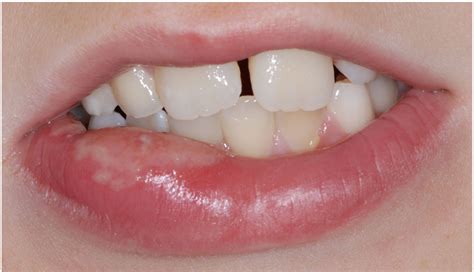
A lip bite, in particular, can result in swelling, bleeding, or ulceration. These symptoms might be mistaken for an allergic reaction or an infection, though they typically heal quickly, often without the need for antibiotics, within about a week.
The Impact of Anesthesia on Children's Awareness
For a child, the sensation of numbness is novel and can be disorienting. They might not intuitively understand the limits of their mouth or the potential for injury. This lack of awareness is particularly concerning for younger children, with studies indicating a higher incidence of soft tissue trauma in younger age groups. For instance, a 2000 study found that 13% of children aged 2 to 18 experienced soft tissue trauma after a mandibular nerve block, with the highest rates (18%) among children under 4 years old.
The unfamiliar sensation of numbness, or the absence of pain, can lead a pediatric patient to inadvertently chew on their lip, cheek, or tongue. This can occur out of curiosity, due to the strange feeling, or simply because they don't feel the pain associated with biting down. Accidental lip biting can also happen while eating or even during sleep in the post-operative period while the area remains numb. Therefore, close monitoring of younger patients after local anesthesia is crucial.
Recognizing and Addressing Lip Trauma
When a child accidentally bites their lip, cheek, or tongue, the initial signs can be alarming. Swelling, redness, and pain may develop. The injured area might form a soft scab, appearing as a yellowish-white plaque, which is a common sign of a traumatic ulcer. It's important to note that this whitish discoloration after the initial bleeding stops is normal and not an indicator of infection.
While the appearance of the wound can be concerning, management is typically straightforward and focuses on palliative care. These injuries generally heal very quickly.
Immediate Care and Home Management
If your child does accidentally bite themselves, several steps can be taken at home to manage the injury:
- Apply Ice Packs: For the first 3 days, apply ice packs to the affected area. The recommended method is 15 minutes of application followed by a 15-minute break, repeated for one hour, three times a day. This helps reduce swelling.
- Pain Relief: Administer over-the-counter pain relievers such as Tylenol or Motrin, following the manufacturer's dosage instructions.
- Oral Hygiene: Keep the area clean and maintain good oral hygiene. Brushing teeth as usual is important, but be gentle around the injured area.
- Dietary Adjustments: Avoid foods that could irritate the wound, such as spicy foods, citrus juices, or tomato-based products.
- Salt Water Rinses: Rinsing with salt water two times a day for 3 days can help keep the area clean and promote healing.
- Topical Numbing Ointments: Over-the-counter topical numbing ointments can be used as directed. However, caution is advised to prevent the child from further traumatizing the area with additional numbing agents.
It is also advisable to avoid feeding your child solid food until the numbness has completely subsided. Soft snacks like Jell-O, frozen yogurt, milkshakes, and smoothies are good choices. Spoon-feeding is preferable to using a straw during this period.
When to Seek Professional Dental Advice
While most lip injuries from biting heal quickly on their own, there are instances when professional dental advice is necessary:
- If the wound does not show signs of healing within a week (5-7 days).
- If the child experiences significant bleeding that cannot be controlled.
- If signs of infection appear, such as persistent swelling, drainage, or redness, accompanied by systemic symptoms like fever and malaise.
In such cases, contacting your pediatric dentist is essential. They can provide further guidance and necessary treatment.
Preventative Measures and Modern Solutions
Preventing lip trauma begins with clear communication and monitoring. Parents should remind their children not to bite or chew on their lips, cheeks, or tongue while they feel numb. Close supervision after the dental appointment is key, especially for younger children.
Some dental practices offer solutions like OraVerse, a local anesthetic reversing agent. This medication significantly reduces the duration of numbness, thereby decreasing the window of opportunity for accidental biting and subsequent injury.
Heat vs Ice for Injuries, Pain and Treatment
It's also worth noting that occasionally, a small bruise or hematoma may appear in the cheek after an injection due to minor blood vessel breakage. This is a rare but normal response and can result in swelling or discoloration, which typically resolves on its own.
During the COVID-19 pandemic, the increased use of masks presented an additional challenge for parents in monitoring their children's habits. Even under a mask, children might bite their lips, making it harder for parents to detect and prevent such injuries.
Understanding the Healing Process
The swelling and ulcerated area from a lip bite can look alarming, but the healing process is usually uncomplicated. The initial swelling may worsen for up to five days, particularly in children under the age of 8. The formation of a yellowish-white scab is a normal part of the healing phase. The mouth's soft tissues have a remarkable capacity for rapid healing, and medical or surgical intervention is rarely required unless a secondary infection develops.
References:
- College C, Feigal R, Wandera A, Strange M. “Bilateral versus unilateral mandibular block anesthesia in a pediatric population.” Pediatr Dent.
- Chi D, Kanellis M, Himadi E, Asselin ME. “Lip biting in a pediatric dental patient after dental local anesthesia: a case report.” J Pediatr Nurs. 2008 Dec;23(6):490-3. doi: 10.1016/j.pedn.2008.02.035.