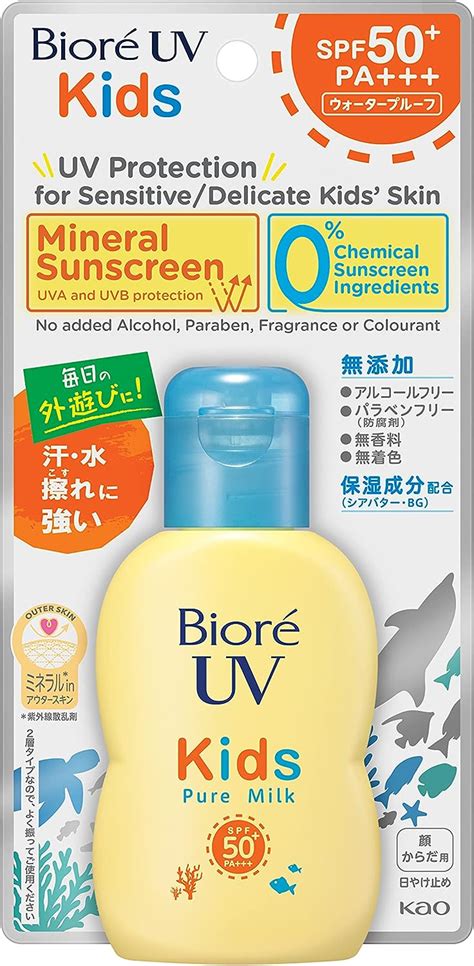
Formulated specifically for children’s sensitive skin, this sunscreen boasts a mineral barrier that repels UV rays. It is made with moisturizing shea butter and formulated without additives such as alcohol, parabens, colorants, and fragrances. It is important to ensure the lid is closed securely after use.
Key Features and Benefits
Superior UV Protection
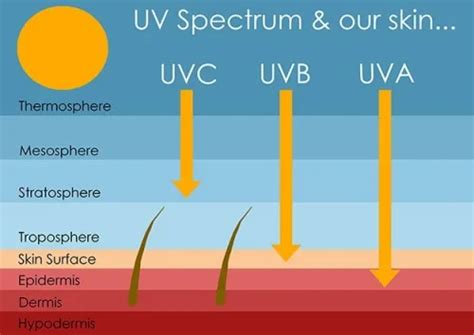
With a superior double UV Block of SPF 50+ and PA++++, this sunscreen provides maximum protection against sunburn and UV damage. This ensures that children’s delicate skin is shielded from the harmful effects of both UVB and UVA rays.
Lightweight and Comfortable Texture
The sunscreen is ultra-light, smooth, and milky in texture. Its moisturizing ingredients spread evenly on the skin, leaving it feeling smooth and comfortable without any white residue. It is also perspiration-proof and easily removed, making it suitable for daily use.
Gentle Formulation for Sensitive Skin
Specifically designed for children's sensitive skin, the Biore Kids UV Milk Sunscreen avoids common irritants. It is formulated without alcohol, parabens, colorants, and fragrances, minimizing the risk of allergic reactions or skin irritation.
Understanding the Ingredients
The product contains a carefully selected blend of ingredients to ensure both efficacy and skin compatibility. Key components include:
- Zinc Oxide: A mineral sunscreen agent providing broad-spectrum protection. It is known for its stability and non-irritating properties, also acting as a skin protectant and anti-irritant.
- Titanium Dioxide: Another physical/inorganic sunscreen agent offering broad-spectrum coverage, particularly effective against UVB and UVA II rays. It is highly stable and has a good safety profile.
- Cyclopentasiloxane: A volatile silicone that provides a smooth feel and evaporates from the skin.
- Dimethicone: A common silicone that makes the skin feel silky smooth, forms a protective barrier, and can temporarily fill in fine lines.
- Butylene Glycol (BG): A multi-tasking ingredient that acts as a solvent, humectant, penetration enhancer, and provides slip. It is approved by Ecocert and often used in natural products.
- Shea Butter: A well-known emollient that regenerates, soothes the skin, protects it from external factors, and is rich in antioxidants.
- Talc: A mineral component used in cosmetic products, primarily for its texture and feel.
- Al Hydroxide: Acts as a protective coating for UV filters like Titanium Dioxide, helping to shield the skin from reactive oxygen species generated by UV exposure.
- Stearic Acid: A common fatty acid used as an emulsifier and emollient.
- Triethoxycaprylylsilane: Used to coat pigments, improving their stability and spreadability on the skin.
- Sorbitan Isostearate: An emulsifier that helps to combine water and oil.
- Methicone: A silicone fluid that enhances product spreadability and provides water resistance to powders.
Note on Ingredients
Ingredients are subject to change at the manufacturer's discretion. For the most complete and up-to-date list, please refer to the product packaging.
Comparison with Other Sunscreen Agents
Zinc Oxide vs. Titanium Dioxide
Both Zinc Oxide and Titanium Dioxide are physical sunscreen agents. While both offer broad-spectrum protection, Zinc Oxide is noted for an even broader spectrum coverage and its anti-irritant properties. Titanium Dioxide provides excellent protection between 290-350 nm (UVB and UVA II range) but is less effective in the 350-400 nm (UVA I) range. A common concern with physical sunscreens is the potential for a whitish tint on the skin, though advancements like nanoparticles aim to mitigate this. Research indicates that sunscreen nanoparticles generally remain on the surface of the skin and are not absorbed, alleviating health concerns.
Physical vs. Chemical Sunscreens
Traditionally, UV filters are categorized as chemical or physical. Chemical agents are thought to absorb UV light, while physical agents reflect it. However, recent studies suggest that inorganic sunscreens (physical) also work significantly by absorption, similar to chemical filters. Regardless of the mechanism, both types aim to protect the skin from UV damage.
How Sunscreens Work: Physical vs Chemical
Application and Usage
How to Use
- Shake well before use.
- Apply to exposed areas, layering more product to achieve full skin coverage.
- Re-apply after sweating or wiping off sweat to maintain protection.
Product Impressions
While the packaging of the Biore Kids UV Milk Sunscreen is noted as convenient for carrying in bags, some user experiences have been negative. The product has been described as excessively greasy and oily, leaving a white cast and a sticky finish, which could potentially deter children from using SPF products. It is recommended to ensure proper application and reapplication for optimal protection.
Important Considerations
Nanoparticle Safety
Concerns regarding nanoparticles in sunscreens often revolve around their potential absorption into the skin. However, current research and review articles suggest that sunscreen nanoparticles, including those in Titanium Dioxide and Zinc Oxide formulations, have not demonstrated significant percutaneous penetration. They tend to remain on the skin's surface or in the outermost layer.
Customs Fee Refunds and Shopping Notes
Information regarding customs fee refunds and general shopping notes may be available from the retailer, influencing the overall purchasing experience.