Fungal infections of the scalp can cause discomfort and significantly impact one's appearance and quality of life. Symptoms often include itching, flaking, and hair loss. It's common for these infections to be misdiagnosed as other scalp conditions such as ringworm, psoriasis, or seborrheic dermatitis. The variety of fungi that can cause these issues is broad, and in some cases, particularly when folk remedies are used, severe scalp inflammation, hair loss, and permanent scarring can result.
Understanding Types of Scalp Fungus
Scalp Fungus Caused by Trichophyton
Infections caused by the Trichophyton species often begin with small, scattered nodules on the scalp. These lesions are characterized by thin scales, and the hair in affected areas may be interspersed with hair that has broken off close to the scalp, appearing brittle. This breakage is a direct result of the fungal infection. The shedding of scales can lead to temporary bald patches. Itching is a common symptom, and individuals may also experience fungal infections in other areas of the body, such as the groin or buttocks, as well as nail infections.
Hair Shaft Fungus (Black Piedra)
Also known as Black Piedra, this condition is caused by fungi like Piedraia hortai and Trichosporon beigelii. The hallmark of this infection is the presence of round, soft nodules along the hair shaft, typically 2-3 cm from the root. These nodules are black or brown and can be mistaken for lice eggs. Importantly, black piedra does not typically cause hair loss as the fungi grow on the hair shaft itself, not the follicle. Mild discomfort or itching may occur. This condition is often linked to poor personal hygiene.
Transmission and Diagnosis
The primary source of scalp fungus is humans, but it can also be transmitted from animals such as dogs and cats. The fungi can survive on contaminated objects. Transmission occurs directly through skin-to-skin contact, but more commonly, it spreads indirectly through the sharing of personal items like combs, hats, or pillows with an infected individual.
Diagnosis involves assessing clinical symptoms, but laboratory tests are crucial for accurate identification. These tests include examining fresh samples of scalp scales or hair debris under a microscope. Culturing these samples in a protein-rich environment helps to precisely identify the type of fungus, which is essential for developing an effective treatment plan.
Effective Treatment for Scalp Fungus
Mild Cases
For mild fungal infections of the scalp, daily shampooing with medicated shampoos containing ingredients like selenium sulfide or ketoconazole (e.g., Nizoral shampoo) can be effective.
More Severe Cases
In more severe instances, after shampooing, covering the hair with a towel is recommended. It is crucial to avoid scratching or rubbing the scalp vigorously to prevent secondary bacterial infections. An alternative approach for severe cases involves shaving the affected area and applying antifungal medication daily. If a bacterial superinfection is present, topical antiseptics and potentially systemic antibiotics may be prescribed.
Medication Options
When topical treatments like antifungal creams and shampoos are insufficient, doctors will typically prescribe oral antifungal medications. Griseofulvin is a common choice, usually taken for 6-8 weeks. To enhance its absorption, it should be consumed with a fatty meal. Potential side effects in children include nausea or abdominal pain.
Other popular oral antifungal medications include terbinafine, itraconazole, and fluconazole. The treatment duration for these can be shorter, ranging from 2 to 4 weeks. Both ketoconazole and fluconazole can cause abdominal discomfort in children, necessitating careful use.
For seborrheic dermatitis specifically caused by Microsporum spp., griseofulvin has shown significant efficacy. In contrast, terbinafine is often more effective for infections caused by Trichophyton spp.
SCALP INFECTION? A Doctor Explains How You Get Scalp Fungus (and How to Treat It)
Prevention of Scalp Fungus Spread
Preventing the spread of fungal infections is paramount. Key strategies include:
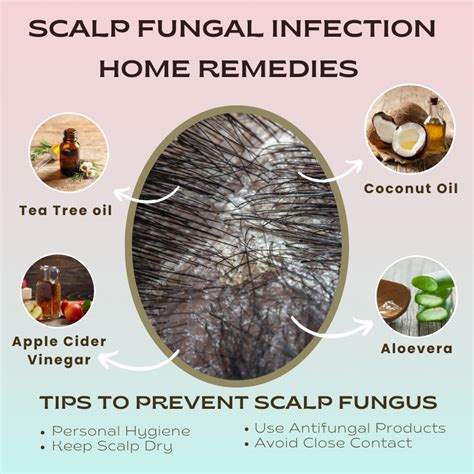
- Maintaining excellent personal hygiene, particularly in communal living spaces like homes, schools, and dormitories.
- Using clean shampoo daily and avoiding harsh scratching or rubbing of the scalp.
- Thoroughly rinsing hair with clean water after shampooing.
- Keeping hair dry and clean at all times, drying hair immediately after washing and upon returning from wet conditions.
- Avoiding tight hats or prolonged hat wear, which can create a moist environment conducive to fungal growth.
- Avoiding contact with infected pets and ensuring pets receive regular veterinary check-ups for fungal infections.
- Refraining from sharing personal items such as towels, combs, or hats, especially with individuals exhibiting dandruff or symptoms of scalp fungus.
When to Seek Medical Attention
Scalp fungus is highly contagious. If any signs of the disease are noticed, prompt medical attention is essential. Early detection and appropriate treatment, combined with a suitable shampoo regimen, can lead to a cure. If excessive dandruff is accompanied by symptoms like itching, sticky hair, odor, or red pimples, consult a dermatologist immediately for an accurate diagnosis and treatment plan.
It is important to avoid scratching or rubbing the scalp vigorously, as this can cause injury and facilitate the spread of fungus and flakes. Self-medication without professional advice should also be avoided. Maintaining a nutritious diet and bolstering the body's overall resistance can also play a role in disease prevention.
Distinguishing Scalp Fungus from Other Conditions
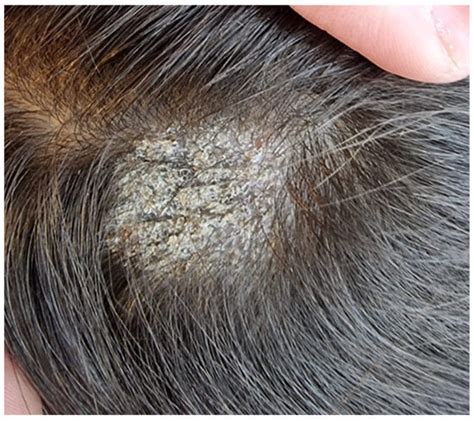
Scalp ringworm, or Tinea capitis, is a dermatophyte infection that can present with dry, scaly patches, hair loss, or a combination of both. Diagnosis is typically based on a physical examination and samples taken from the scalp. Treatment for tinea capitis generally involves oral antifungal medications for everyone, and antifungal creams for children.
Tinea capitis is a type of dermatophytosis. In the United States, Trichophyton tonsurans is the primary causative fungus. This infection is highly contagious and prevalent among children, spreading through direct contact with infected individuals, animals, or contaminated objects, especially in conditions of close living quarters and poor hygiene.
Symptoms of Tinea Capitis
Symptoms can include a dry, scaly rash that may be itchy, a patch of hair loss (alopecia), or both. Some fungal types cause "black dot" ringworm, where hair shafts break at the scalp surface. Others cause "gray patch" ringworm, where hair shafts break above the scalp surface, leaving short stubs. Tinea capitis can sometimes mimic dandruff with its flaking. Enlarged lymph nodes in the neck and behind the ear can also occur.
Kerion
Occasionally, a dermatophyte infection can lead to a kerion, which is a large, painful, inflamed, and swollen patch on the scalp. A kerion may ooze pus, present with blisters and crusting, and can resemble an abscess. This condition is an immune system reaction to the fungus and can result in scarring and permanent hair loss.
Diagnosis and Treatment of Tinea Capitis
Diagnosis
Diagnosis of tinea capitis is made through a doctor's examination of the skin, examination of plucked hairs or scalp scale, and sometimes a Wood light examination or fungal culture. Doctors examine samples under a microscope, and a Wood light (a type of ultraviolet light) can help distinguish between fungal types. Cultures may also be performed on samples or material from a kerion.
Treatment
For both children and adults, oral antifungal medications are the primary treatment. In children, antifungal cream and selenium sulfide shampoo are also used. For adults, selenium sulfide shampoo may be used, and in some cases, prednisone might be prescribed.
In children, terbinafine taken orally is a common treatment, with griseofulvin serving as an alternative. An antifungal cream can be applied to the scalp to prevent spread, especially to other children, until the infection is cured. Prescription-strength selenium sulfide shampoo should be used at least twice weekly. Children can typically attend school during treatment.
In adults, oral antifungal medications like terbinafine or itraconazole are used. The duration of treatment varies depending on the medication. Selenium sulfide shampoo may also be used in adults.
Understanding Piedra and Other Fungal Infections
Black Piedra
Black piedra is a superficial fungal infection of the hair shafts, characterized by small, firmly attached black nodules. It is caused by Piedraia hortae and is more common in tropical regions, particularly among individuals with long hair and poor scalp hygiene. While it doesn't typically cause hair loss, the hair can become weak and break near the infection site. Treatment often involves shaving the head, topical antifungal agents, or oral antifungals in resistant cases.
White Piedra
White piedra, caused by Trichosporon spp., presents with whitish to tan nodules on the hair shafts. It is generally softer and more loosely attached than black piedra and can affect various hair types, not just scalp hair.
Mucormycosis
Rarely, mold spores can cause serious infections if they enter the body through cuts in the skin. Mucormycosis is a rare infection caused by fungi found in soil. Symptoms can include blisters or ulcers, redness, pain, warmth, and swelling around the infected area. This condition requires prompt medical attention and can be life-threatening, especially for individuals with weakened immune systems or poorly managed diabetes.
Other Scalp Conditions with Similar Symptoms
Several other scalp conditions can mimic fungal infections, requiring careful diagnosis:
Seborrheic Dermatitis
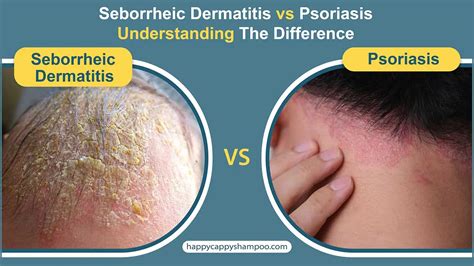
This condition causes dry, flaking skin, redness, and itching. In more severe cases, it can lead to greasy, yellowish scales or crusts. On darker skin tones, it may cause dark spots and patches. Cradle cap in infants is a form of seborrheic dermatitis. Treatment often involves medicated shampoos and, in severe cases, prescription-strength antifungal shampoos or creams.
Psoriasis
Psoriasis is a chronic autoimmune condition that can affect the scalp, causing thick, red patches with silvery scales. The appearance can vary depending on skin tone. Treatment options include topical creams, light therapy, and oral medications.
Lichen Planus
This inflammatory condition can affect the skin and scalp, causing redness, irritation, and sometimes permanent hair loss in the affected areas. While it often resolves on its own, treatments include topical creams, oral corticosteroids, and light therapy.
Folliculitis
Folliculitis is an inflammation or infection of the hair follicles, usually caused by bacteria. It appears as small, pus-filled pimples around the hair follicles. Treatment may involve topical or oral antibiotics, or simply keeping the area clean and dry.
Impetigo
A contagious bacterial infection, impetigo typically causes red sores that burst and form a yellow-brown crust. It can occur on the scalp and is treated with antibiotic creams or, in some cases, oral antibiotics or injections.
General Prevention and Hygiene Tips
To reduce the risk of scalp infections:
- Wash hair regularly and thoroughly, especially after haircuts.
- Keep the scalp clean and dry.
- Avoid sharing personal items like towels, combs, and hats.
- If you have pets, ensure they are free of fungal infections.
- Maintain a healthy immune system through a balanced diet and lifestyle.
It is crucial to consult a healthcare professional for an accurate diagnosis and appropriate treatment plan for any persistent or concerning scalp conditions.