Color correcting makeup, a long-standing beauty secret, has become increasingly popular as individuals seek to conceal discoloration that standard concealer cannot address. This technique, rooted in the principles of color theory learned in art class, utilizes the color wheel to neutralize unwanted tones on the skin.
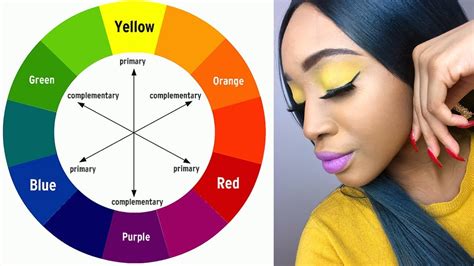
The fundamental concept behind color correction is that colors opposite each other on the color wheel cancel each other out, creating a neutral shade. For instance, applying green to counteract red areas. This principle extends beyond art to effective makeup application for achieving a flawless complexion.
Choosing the Right Color Corrector Formula and Shade
Selecting the correct color correcting formula is crucial for achieving the desired outcome. Since these products are applied before foundation and concealer, the formula should be lightweight with a satin finish, resistant to creasing, and capable of layering well with subsequent makeup products. An ideal color corrector should blend seamlessly, becoming invisible beneath your foundation and concealer, ensuring a smooth and natural finish. If the color corrector is visible, it likely indicates the wrong formula or application.
Look for color correctors enriched with skin-loving ingredients such as hyaluronic acid and rose flower water to provide added benefits while correcting discoloration.
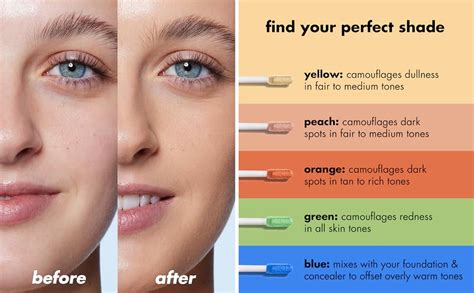
The choice of color corrector shade depends on the specific discoloration you wish to address and your skin tone. Common shades include yellow, green, peach, orange, and blue, each serving a distinct purpose.
Understanding the Purpose of Different Color Corrector Shades
Yellow Color Corrector
Yellow color corrector is effective for neutralizing pink tones and subtle redness. It also helps to brighten dullness, particularly in fair to medium skin tones, and can disguise light purple tones. Individuals with aging, dull skin or those feeling under the weather can benefit from yellow corrector to achieve a brighter complexion.
Green Color Corrector
Green color corrector is a powerful tool for combating redness. It effectively neutralizes red spots, reddish birthmarks, rashes, acne, rosacea, and redness around the nose. Even sunburns can be improved with green corrector. This shade is versatile and can be used on all skin tones, making it a staple for anyone dealing with redness.
Peach to Orange Color Corrector
Colors in the orange family are adept at correcting darkness and dark spots, especially bluish under-eye circles. The intensity of the shade should correspond with your skin tone: peach for lighter skin and deeper orange for darker skin tones. These shades are also useful for correcting sunspots and age spots, effectively neutralizing any bluish undertones.
Blue Color Corrector: An In-Depth Look
Blue color corrector might seem intimidating due to its bright hue, but it is a valuable tool, particularly for correcting issues arising from self-tanning gone wrong. Blues are excellent for balancing out orange tones on the skin, correcting overly orange complexions, and neutralizing orange-hued dark spots or hyperpigmentation. Similar to green concealer, blue can be used across all skin tones.
What is Blue Color Corrector and How Does it Work?
Blue color corrector is an essential makeup product designed to neutralize warm tones. Its efficacy stems from color theory: colors opposite each other on the color wheel cancel one another out. Blue corrector is applied beneath concealer or foundation to tone down warm, often orange, areas without compromising the skin's natural radiance. It acts as a subtle filter, evening out the skin tone to create a flawless canvas for subsequent base products.
How to Determine if You Should Use a Blue Color Corrector
Blue color corrector is particularly effective for cooling down overly warm tones and is a targeted solution for orange undertones. It is not a universal corrector for all types of discoloration but excels at neutralizing warmth and preparing the skin for concealer and foundation.
What Skin Tones or Undertones Should Use a Blue Color Corrector?
Blue color corrector is suitable for anyone seeking to neutralize unwanted yellow or orange hues, regardless of their skin tone depth. It is especially beneficial for individuals with cool or neutral undertones who find their foundation or concealer appearing too warm. It also effectively addresses hyperpigmentation or excessive warmth from self-tanner or sunspots. Essentially, if warmth is the issue, blue is the solution, focusing more on undertones than skin depth.
When to Incorporate Blue Color Corrector into Your Makeup Routine
The application of blue color corrector is time-sensitive and should occur early in your makeup routine, after skincare and primer but before concealer or foundation. Applying it directly to clean skin allows it to effectively neutralize warmth. Once blended and dried, subsequent complexion products can be layered over it without altering your usual routine.
How to Correctly Apply Blue Color Corrector
Step One: Prep Your Skin for Makeup
A smooth, hydrated base is fundamental for seamless makeup application. Begin with freshly cleansed skin to ensure a clean canvas free from oil or residual makeup. Follow with a hydrating moisturizer, a non-negotiable step that prevents creasing, ensures even application of the corrector, and maintains a fresh look throughout the day. If applying under the eyes, use an eye cream to aid blending and prevent settling into fine lines.
Step Two: Apply Face Primer
Before applying color correction makeup, apply a makeup primer suited to your skin type. Priming creates an optimal surface for color correction to adhere to and perform effectively, contributing to a smoother, longer-lasting makeup look.
Step Three: Apply Blue Color Corrector
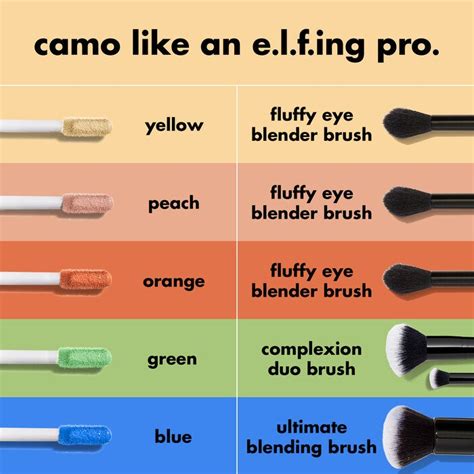
With your skin prepped and primed, it's time to apply the blue color corrector. Using a concealer brush is recommended for precise application, allowing you to gently pat the product into the skin without dragging. Avoid swiping motions, which can displace the product. After application, allow the corrector about 30 seconds to dry down, enabling it to set properly before layering other products. The goal is to neutralize unwanted orange or yellow tones, creating an even base without the corrector itself being visible.
How To Color Correct Your Foundation! #shorts #oddlysatisfying #makeupshorts
Step Four: Layer Your Concealer and Foundation
Once the blue color corrector has set, proceed with your foundation and concealer. Apply your preferred foundation, opting for a natural luminous finish or full coverage as desired. Follow with concealer to further camouflage any remaining imperfections, especially under the eyes or on areas needing extra coverage. Properly layered, your makeup base will appear even, balanced, and seamless.
Step Five: Finish Your Look with Setting Powder and Finishing Spray
To set your makeup and ensure longevity, lightly dust with a loose setting powder, focusing on areas prone to shifting. The aim is to set the makeup without dulling the glow or emphasizing texture. Finish with a setting spray to meld all makeup layers together and enhance the durability of your look.
Common Mistakes to Avoid When Applying Blue Color Corrector
Using too much product is a common pitfall; a little blue color corrector goes a long way. Incorrect placement is another mistake; blue is best for neutralizing warm, orange, or coppery areas. Inadequate blending can also lead to visible patches. It's essential to be targeted with application, blend seamlessly, and ensure that blue corrector is indeed the appropriate solution for the specific skin concern.
Expert Tips for Using a Color Corrector Thatâs Blue
Precision is key when using blue color corrector. Employ a small concealer brush to target only the warm areas needing neutralization. Layering is crucial: apply blue corrector after skin prep, allow it to set, and then follow with foundation and concealer. If your foundation appears too warm, a drop of blue corrector mixed in can help tone it down.
Blue concealers, while new to some, are effective color correctors that use blue pigment to cancel out unwanted tones, typically warm or orangey ones. They function as a behind-the-scenes fixer, applied under makeup to neutralize discoloration before foundation creates an even, flawless finish.
The effectiveness of blue concealer is rooted in the color wheel principle where opposite colors cancel each other out. This makes it ideal for counteracting the orange tones that can result from self-tanner or natural orangey undertones in the skin.
While green concealers are often preferred for redness, blue concealers are also a viable option for correcting red patches. They are versatile and can be used on various skin tones, though itâs important to note that not every color corrector is a one-size-fits-all product.
PRO TIP: Less is more when applying blue concealer. The goal is to lightly cancel out undertones, not to paint the face blue. Always blend thoroughly before applying foundation. If you regularly use self-tanner or struggle with uneven skin tone, incorporating blue concealer into your daily routine is perfectly acceptable. Due to its pigmentation, ensure it does not show through your foundation.
An ideal blue concealer should blend effortlessly, be pigmented enough to neutralize orange tones without leaving a blue cast on the skin, and remain in place throughout the day, especially in areas prone to makeup slippage like under the eyes or around the mouth. It should also be compatible with your foundation, avoiding patchy or separated results.