As we age, our brows naturally descend, causing our eyebrows to lower. This can create a heavy, crowded appearance around the eyes, contributing to a tired or aged look. While injectable products can offer a temporary solution by relaxing the brow muscles, these require frequent retreatment. A brow lift surgery offers a more profound and lasting effect, rejuvenating the upper third of the face by restoring a look of freshness and a more alert, youthful expression, effectively eliminating the heavy, tired look.
This procedure can also address other age-related concerns such as drooping at the outer eye, lines on the forehead, and excessive fullness in the upper eyelids that can result from a lowered brow. If you are interested in learning more about brow lift surgery, consulting with our Patient Advisors is a valuable first step.
Understanding Brow Lift Surgery
Brow lift surgery, also known as a forehead lift or browplasty, is a surgical procedure designed to address the position of the eyebrows. This technique can effectively reduce the appearance of wrinkles and frown lines on the forehead and between the eyes. The procedure can impact the appearance of forehead creases, frown lines, and the overall position of the eyebrows.
The aging process primarily affects the deeper support layers beneath the skin, rather than just the skin's surface. While aging is visible on the skin, the underlying structural changes are the root cause. Therefore, effective surgical techniques focus on addressing these deeper tissues to achieve a natural and lasting result.
Types of Brow Lift Procedures
Several surgical techniques can be employed for a brow lift, each with its own approach and benefits:
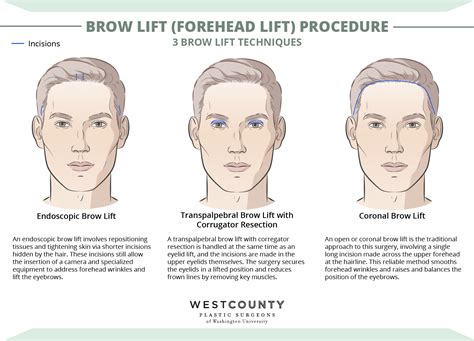
Open Browlift
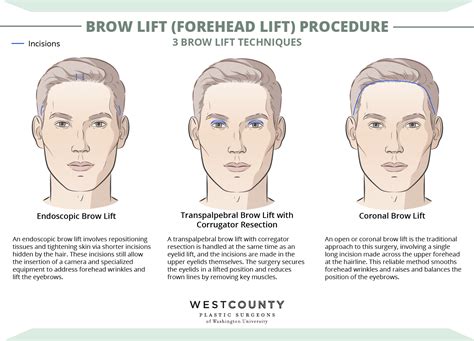
In the Open Browlift technique, the scalp is lifted from the brow bone area and then mobilized. This allows for the modification of the muscles responsible for lines and wrinkling. Subsequently, the forehead and scalp are redraped over the bone, with any excess scalp tissue being removed, resulting in elevated eyebrows. The scar is typically hidden within the hairline, though it may occasionally become visible when the hair is parted.
Endoscopic Browlift
The Endoscopic Browlift involves making five small incisions within the hair. The covering of the brow bone area is incised, with careful protection of the nerves to the scalp. The brow is then elevated to its ideal position and secured. This fixation can be achieved using sutures and temporary small screws placed into the outer bone for approximately two weeks, or by using a slow self-dissolving plate called an endotine. The endotine dissolves over several months and may be felt when touched, but it is not visible. This redraping of the brow-elevating muscle achieves a pleasing lift. For individuals with a high hairline, the incisions can be strategically placed to lower the hairline.
Lateral Temporal Brow Lift
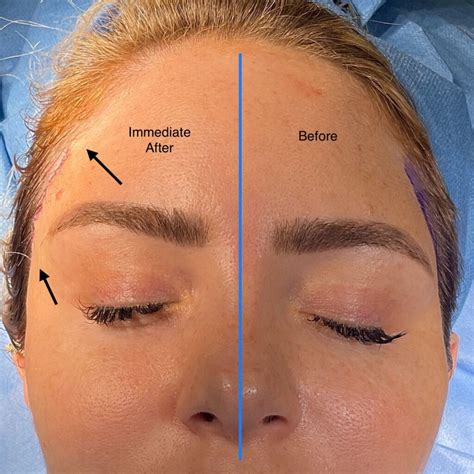
A more targeted approach, the Lateral Temporal Brow Lift focuses specifically on the outer portion of the brow. This technique is suitable for individuals who primarily need to address the brow's outer third to achieve their aesthetic goals, such as adjusting the brow arch and lifting the skin at the corners of the eye. It can be an effective option for those who do not require a full forehead adjustment. This procedure is performed through small incisions made at or just behind the hairline in the temple region. The underlying temple, forehead, and orbital rim tissues are then freed and adjusted to modify the position of the outer brow. Excess skin may be trimmed or repositioned before the incisions are closed. This method focuses on repositioning deeper tissue layers to support the structure of the forehead and brow area, with incisions concealed within the hairline.
Surgical Technique Philosophy
It is important to note that any surgical technique relying solely on 'pulling' the skin is considered outdated. Such methods can lead to a stretched, artificial appearance and scarring, which are characteristic of lower-quality facial surgery. True facial aging originates from changes in the deeper support layers beneath the skin, and effective surgical interventions address these underlying structures for natural-looking and enduring results.
Benefits of Brow Lift Surgery
Brow lift surgery offers several aesthetic and functional advantages:
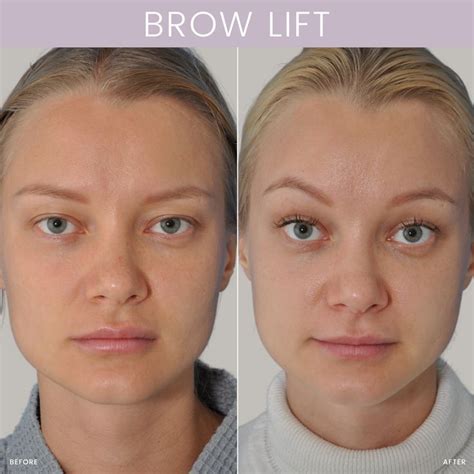
- Rejuvenated Appearance: Lifts drooping eyebrows, reducing heaviness in the upper eyelids and smoothing forehead lines for a more refreshed and youthful look.
- Reduced Wrinkles: Effectively diminishes deep furrows between the eyes and horizontal lines on the forehead.
- Improved Vision: For individuals whose drooping eyebrows obstruct their field of vision, a brow lift can provide functional improvement.
- Restored Facial Harmony: Enhances the overall balance and symmetry of the upper face.
- Long-Lasting Results: While the aging process continues, the structural changes achieved through surgery provide a more enduring improvement compared to temporary non-surgical options.
Considerations for Brow Lift Candidates
When considering brow lift surgery, several factors are important:
- Signs of Aging: Candidates typically exhibit signs of aging in the upper face, such as drooping eyebrows, forehead wrinkles, and frown lines between the eyes, or excess skin in the upper eyelid due to brow descent.
- General Health: Candidates should generally be in good health, without underlying medical conditions that could significantly affect healing.
- Realistic Expectations: It is crucial to have realistic expectations about the potential outcomes of the surgery.
- Non-Smokers: Non-smokers often experience better healing outcomes, as smoking can impede circulation and delay recovery.
Consulting with a registered specialist plastic surgeon is essential to determine if this procedure is appropriate for your individual circumstances.
The Brow Lift Procedure: What to Expect
Consultation
Your journey begins with an initial consultation. During this appointment, your surgeon will:
- Carefully examine your brow area and overall facial structure.
- Discuss your personal aesthetic goals and any expectations you have for the procedure.
- Answer any questions you may have about the surgery.
- Review your medical history, including any current medications and past surgical or bleeding issues.
- Inform you about the potential risks and benefits.
Please arrive at your assessment without any make-up. It is also important to inform your surgeon if you have a history of bleeding issues or bruise easily.
Pre-operative Preparations
To ensure a smooth surgical process and recovery, you will receive specific pre-operative instructions. These may include:
- Avoiding certain medications and supplements, such as pain relievers and Vitamin E, for a specified period before surgery (e.g., two weeks).
- Refraining from smoking before and after surgery to ensure adequate circulation and promote healing.
- Arranging for someone to drive you home after the surgery and provide assistance at home for a few days.
Anesthesia
On the day of surgery, your anesthetist will discuss the type of anesthesia to be used, which may include general anesthesia or light sedation with a local anesthetic, depending on the complexity of the procedure and your individual needs.
During Surgery
The duration of a brow lift procedure typically ranges from two to three hours, depending on the technique used and the individual's anatomy.
Post-operative Recovery
Following your surgery, you can expect the following:
- Immediate Post-op: You will likely wake up with a dressing and bandage around your head to apply pressure, reduce swelling, and maintain the new position of your brow. This bandage may feel tight and is usually kept in place for 5-7 days.
- Pain and Discomfort: Your surgeon will recommend medications to help manage any pain and discomfort.
- Swelling: Swelling is common and can persist for a few weeks. This, along with any discomfort, will gradually resolve over 4-6 weeks.
- Activity Restrictions: Strenuous activities are typically limited for at least two weeks. You will receive guidance on when it is safe to resume your usual activities, generally between 4 and 6 weeks post-surgery.
- Incision Care: Your surgeon will provide detailed instructions on how to care for your incisions. Sutures are often placed within the hairline and heal well over a few weeks.
- Follow-up Appointments: A follow-up appointment, usually around 2 weeks after surgery, will be scheduled to assess wound healing and remove any bandages, sutures, or screws.
Potential Risks and Complications
As with any surgical procedure, brow lift surgery carries inherent risks. While measures are in place to minimize these risks, it is important to be aware of them. Potential complications, which are rare and may not have occurred in all practices, can include:
- Infection: An infection at the incision sites.
- Scarring: While efforts are made to conceal scars, they can sometimes be visible.
- Asymmetry: Uneven results between the two sides of the face.
- Temporary Numbness or Discomfort: Altered sensation in the forehead or scalp area.
- Allergic Reactions: Reactions to tapes and dressings used.
- Hair Loss: Temporary or permanent hair loss around the incision lines.
- Risks of Anesthesia: These can include tooth damage, heart attack, blood clots in the leg or lung, and stroke.
It is essential to discuss these potential risks thoroughly with your plastic surgeon during your consultation.
Non-Surgical Alternatives
For those seeking less invasive options, anti-wrinkle injections can offer a temporary solution. These injections can soften forehead lines and may provide a slight lifting effect. However, the results are temporary and require repeated treatments every few months. While effective for softening lines, they do not offer the structural repositioning that surgical brow lift provides.
Choosing a Specialist
When considering brow lift surgery in Melbourne, selecting a qualified and experienced specialist plastic surgeon is paramount. Dr. Bryan Mendelson, for instance, performs all surgery beneath the skin, focusing on deeper tissue layers rather than superficial skin pulling. Similarly, Specialist Plastic Surgeon Dr. Jeremy Richardson in Melbourne utilizes modern surgical techniques with a focus on facial cosmetic and reconstructive surgery, including brow lifts. He is a member of various prestigious surgical associations and holds extensive qualifications.
Dr. Moss also offers Deep Temporal and Brow lift techniques designed to re-support the natural deep layer forehead ligamentous structures, reversing visible signs of aging through limited incisions hidden within the temporal hair. For those concerned about flattening of the eyebrow arch and more advanced descent, limited incision and Endoscopic Assisted Brow Lifts are available as alternatives to Coronal Brow Lift Surgery.
Note: Any surgical or invasive procedure carries risks. This article provides general information only and does not replace professional medical advice. Surgical outcomes vary between individuals.