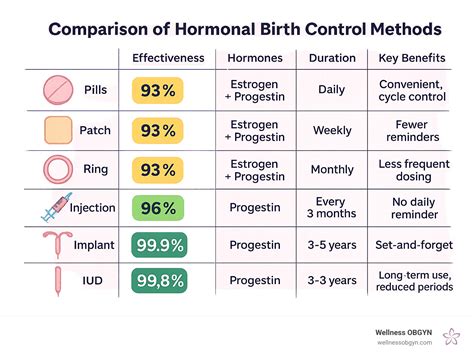
Birth control has become a significant topic within the fitness community, prompting questions about its potential impact on physical progress. While the answer is not always straightforward, it's evident that hormonal contraceptives are widely used, not only for their primary purpose of preventing pregnancy but also for managing menstruation and acne.
The use of oral, injectable, or topical forms of birth control is common among women aged 18 to 30. These hormonal interventions, while often effective for their intended purposes, are not without risks. Long-term use of birth control hormones has been linked to an increased risk of certain cancers, including cervical, liver, and breast cancer.
Furthermore, anecdotal evidence suggests a potential negative impact on body composition. Several female clients have reported a decrease in body fat percentage within two months of discontinuing birth control. These individuals, even when maintaining a low body fat percentage while on the pill, found it challenging to achieve further leanness. Upon switching to an IUD, they experienced immediate weight loss and found it easier to progress by increasing exercise volume and reducing calorie intake.
Beyond potential health risks and impacts on body composition, another concern associated with birth control is its effect on sexual health. Some women have reported a significant decrease in sexual appetite and enjoyment while on the pill, with experiences improving after discontinuing its use.
The Hormonal Basis of Cellulite
Estrogen plays a pivotal role in fat accumulation, particularly in the subcutaneous and hypodermal layers, which are the primary locations for cellulite development in women and transgender individuals. Elevated estrogen levels, whether due to natural hormonal imbalances or the use of hormonal contraception, can exacerbate the appearance of cellulite.
The contraceptive pill, containing artificial estrogen, is considered a significant contributor to cellulite, especially in young, fit women who might otherwise not develop it. This is because the artificial hormones in birth control are often present in unnaturally high quantities and ratios compared to natural hormones.
The unique arrangement of fat and connective tissue in women contributes to cellulite formation. In females, fat cells are positioned vertically within the connective tissue, whereas men typically have a crisscross pattern that holds fat cells more tightly. This structural difference makes women more susceptible to cellulite.
Hormonal changes throughout a woman's life, including puberty, pregnancy, and menopause, can also influence cellulite. Fluctuations in estrogen levels during these stages can lead to weakened connective tissue, making cellulite more prominent. As estrogen decreases, particularly during menopause, connective tissue may weaken further, allowing fat cells to protrude more easily through the skin's surface.
Other hormones also play a role. Insulin affects fat storage, and elevated levels, often linked to a diet high in carbohydrates and sugar, can lead to increased fat accumulation. Prolactin, while known for lactation, can also increase fat storage. Noradrenaline influences fat metabolism and blood flow, and its deficiency can impair fat breakdown. Thyroid hormones regulate metabolism, and hypothyroidism can slow it down, leading to weight gain and more visible cellulite.
Hormonal imbalances, whether due to stress, diet, lifestyle, or medications, can significantly worsen cellulite. Chronic stress, for example, can raise cortisol levels, contributing to weight gain and fat storage. The interplay between hormone levels and fat storage is complex, with hormones dictating where and how the body stores fat.
Factors Contributing to Cellulite Development
While hormones are a primary driver, several other factors contribute to the development and appearance of cellulite:
- Sugar Intake: Sugar converts to triglycerides (fat) and stimulates insulin release, promoting fat deposition. It also causes chronic inflammation, a key aspect of cellulite.
- Inactivity and Lack of Exercise: Reduced physical activity leads to increased fat cells and decreased collagen, resulting in less firmness.
- Excess Calories and Weight Gain: A consistent calorie surplus leads to fat accumulation, including hypodermal fat, which manifests as cellulite.
- Yo-yo Dieting: Cycles of weight loss and gain can lead to skin looseness and a decrease in muscle mass, worsening cellulite's appearance.
- Smoking and Vaping: These habits negatively affect skin firmness, blood vessel health, and collagen, contributing to cellulite.
- Alcohol Consumption: Alcohol can impair liver function, disrupt hormonal balance, and contribute to weight gain.
- Fried and Hydrogenated Fats: These promote inflammation and fat accumulation.
- Xenoestrogens and Microplastics: Exposure to chemicals mimicking estrogen, found in plastics and other environmental pollutants, can disrupt hormonal balance and contribute to cellulite.
- Pregnancy: Hormonal changes and increased fat storage during pregnancy can lead to more visible cellulite.
- Medications: Certain medications, such as corticosteroids, can cause water retention and lipogenesis, contributing to cellulite.
- Inadequate Protein Intake: Protein is crucial for skin structure. A lack of protein can lead to skin looseness.
- Excess Carbohydrate and Fat Intake: Diets high in these can lead to fat accumulation and reduced skin firmness.
- Lack of Polyphenols and Fiber: These nutrients are important for collagen integrity and reducing inflammation and water retention.
- Aging: Natural decreases in collagen and elastin production with age make cellulite more prominent.
- Genetics: While genetics play a role, lifestyle choices are crucial in determining cellulite's appearance.
It's important to note that myths surrounding cellulite causes, such as caffeine and carbonated drinks, are largely unfounded. The primary culprits are hormonal influences, particularly estrogen, and lifestyle factors.
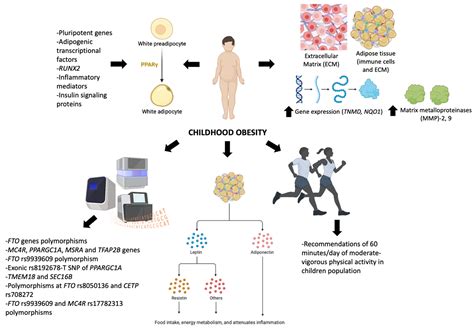
The Contraceptive Pill and Cellulite: A Closer Look
The contraceptive pill, a form of hormonal contraception, is frequently cited as a significant contributor to cellulite. Unlike natural hormones, the synthetic versions in birth control are often present in higher concentrations and unnatural ratios, potentially leading to hormonal disruption.
Studies and observational evidence suggest a strong correlation between the use of hormonal contraception and the development or worsening of cellulite, particularly in young, slim women who may not have other contributing factors like excess weight or poor diet. This specific type of cellulite, sometimes referred to as "fat trousers," can manifest as an even distribution of fat around the thighs, often accompanied by skin looseness and water retention.
While the exact mechanisms are still being researched, the estrogenic component of birth control pills is believed to promote the proliferation of fat cells in the hypodermal and subcutaneous layers, leading to the characteristic dimpled appearance of cellulite.
The contraceptive pill is not the only form of hormonal contraception implicated; other methods like injections and patches can also have similar effects. Some women may experience a specific type of fat accumulation and cellulite pattern, often described as "fat trousers," which appears more evenly distributed around the thighs rather than concentrated in typical areas like the outer thighs or buttocks.
Personal Experiences and Anecdotal Evidence
Numerous personal accounts from athletes and individuals highlight a perceived link between birth control use and changes in body composition, energy levels, and even sexual health. These stories, while anecdotal, provide valuable insights into the lived experiences of women using hormonal contraceptives.
For instance, some athletes report significant difficulty losing weight or body fat while on birth control, with noticeable improvements after discontinuing its use or switching to non-hormonal methods like an IUD. Others have experienced a diminished libido and sexual satisfaction, which improved after coming off the pill.
However, it's crucial to acknowledge that individual responses to hormonal contraception vary greatly. For every person who experiences negative side effects, there may be others who notice no significant changes. Science often relies on averages and statistical significance, which may not fully capture the individual experiences that anecdotal evidence provides.
Birth Control: Stories From Women in the Know | Healthgrades
Exploring Alternatives and Management Strategies
For individuals concerned about the potential link between their birth control method and cellulite, exploring alternatives is a viable option. Non-hormonal birth control methods, such as IUDs (intrauterine devices) or barrier methods, do not involve altering hormone levels and may be a suitable choice for some.
Progestin-only birth control methods, like Slynd, may also be considered if high estrogen levels are suspected to be the primary driver of cellulite. However, the most effective approach is to consult with a healthcare provider to discuss individual needs and potential alternatives.
Beyond changing birth control methods, several lifestyle modifications can help manage and reduce the appearance of cellulite:
- Balanced Diet: Focus on whole foods, lean proteins, healthy fats, and plenty of fruits and vegetables. Minimize sugar, refined carbohydrates, and processed foods.
- Regular Exercise: Engage in a combination of cardiovascular exercise and strength training to build muscle and reduce body fat.
- Hydration: Drink plenty of water throughout the day to maintain skin elasticity and support overall bodily functions.
- Stress Management: Practice stress-reducing techniques like yoga, meditation, or deep breathing exercises.
- Avoid Smoking and Excessive Alcohol: These habits negatively impact skin health and contribute to fat accumulation.
While there is no permanent cure for cellulite, a combination of informed birth control choices and a healthy lifestyle can significantly improve its appearance and overall well-being.