Reaching your weight loss goal is a major achievement that can improve your health and boost self-esteem. However, losing a large amount of weight, especially quickly, can result in loose, sagging skin. This is particularly common in people who undergo bariatric surgery or take weight-loss medications like GLP-1 agonists. Fortunately, there are effective treatments for loose skin after significant weight loss. Both surgical and non-surgical options can help improve body contour, restore confidence, and support your wellness goals.
Understanding the Causes of Excess Skin
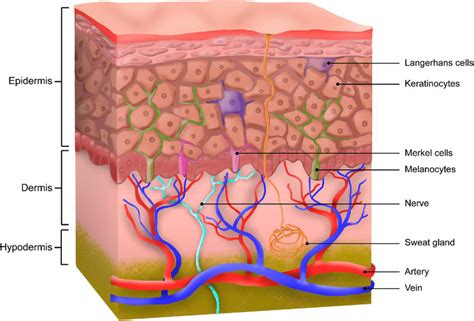
When skin stretches over time from weight gain, the underlying collagen and elastin fibers can become damaged. These fibers are crucial for maintaining skin's firmness and elasticity. Rapid weight loss doesn’t give skin enough time to adjust, which often results in sagging because these fibers are unable to retract sufficiently.
Several factors contribute to the likelihood and severity of excess skin after weight loss:
- How quickly weight is lost: Rapid weight loss gives the skin less time to adapt and contract.
- The percentage of total body weight lost: Losing a larger percentage of your body weight increases the likelihood of significant skin laxity.
- How long you’ve been at your starting weight: The skin may have been stretched for a prolonged period, reducing its ability to regain elasticity.
- Genetics: Individual genetic predispositions play a role in how well skin can recover its elasticity.
- Age: As you age, your skin naturally loses collagen and becomes looser, affecting its ability to contract.
- Obesity: Prolonged obesity stretches the skin to its limits, hindering its ability to fully contract when weight is lost.
- Skin Quality: The inherent quality and health of your skin influence its elasticity.
With aging, the skin loses elasticity, which affects its ability to contract during significant weight loss, including weight loss associated with surgeries or medications. Muscle tone can also significantly contribute to maintaining skin elasticity. Well-developed muscles form a supportive structure beneath the skin, helping to prevent sagging and promoting a more youthful appearance. Exercise also increases blood circulation, delivering essential nutrients that encourage skin cell turnover.
Physical and Emotional Consequences of Excess Skin
Excess skin after weight loss can lead to several physical and emotional challenges:
Physical Issues
- Hygiene Issues: Loose skin can form folds that trap moisture, sweat, and bacteria, potentially leading to infections.
- Chafing and Rashes: Moisture collecting within skin folds can cause irritation, redness, itching, and stinging, a condition known as intertrigo.
- Infections: If moisture and bacteria are not managed, yeast infections or other bacterial infections can develop in the skin folds.
- Mobility Issues: Significant amounts of loose skin, particularly on the thighs, upper arms, and belly, can impede movement and make exercise more difficult.
Emotional and Mental Health Impacts
- Body Image Concerns: Loose skin can be a constant reminder of past weight and negatively impact body confidence.
- Reduced Self-Esteem: Despite achieving weight loss goals, the presence of excess skin can diminish self-esteem.
- Social Withdrawal: Feelings of self-consciousness may lead individuals to withdraw from social activities.
- Anxiety and Depression: The persistent frustration and dissatisfaction with one's appearance can contribute to anxiety and depression.
Studies show that treating excess skin after weight loss surgery can improve quality of life and help maintain weight loss.
The psychological weight loss strategy | Laurie Coots
Strategies to Minimize Excess Skin During Weight Loss
While it may not always be possible to completely avoid skin sagging, certain strategies can help minimize its extent during and after weight loss:
- Gradual Weight Loss: Slow and steady weight loss (1-2 pounds per week) gives the skin more time to adapt and retract. This approach is also generally better for overall health.
- Strength Training: Building lean muscle mass beneath the skin can help fill it out and provide support. Strength training exercises focus on muscle growth, which can improve skin elasticity and thickness. Working with a fitness professional can help tailor an exercise plan.
- Balanced Diet and Hydration:
- Protein: Adequate protein intake is crucial for the maintenance and repair of skin tissue and muscle building.
- Omega-3 Fatty Acids: Found in foods like salmon, tuna, walnuts, and almonds, these can help restore collagen and improve skin firmness.
- Vitamins C and E: Abundant in fruits and vegetables, these vitamins help prevent cell damage.
- Hydration: Drinking at least 2 liters of water per day is essential, as skin cells are composed primarily of water.
- Proper Skincare:
- Moisturizers: While not a solution for tightening loose skin, moisturizers can help plump the skin and relieve dryness.
- Sun Protection: Sun damage can impair skin elasticity. Using sunscreen with an SPF of 30 or higher helps prevent this.
- Avoid Smoking and Limit Alcohol: Tobacco smoke and excessive alcohol consumption can negatively impact skin health, reduce elasticity, and accelerate aging.
Tracking weight loss progress and documenting health habits can help individuals pace themselves and make necessary adjustments to support skin health.
Treatment Options for Excess Skin
When lifestyle changes are not enough, various treatment options can address excess skin:
Non-Surgical Treatments
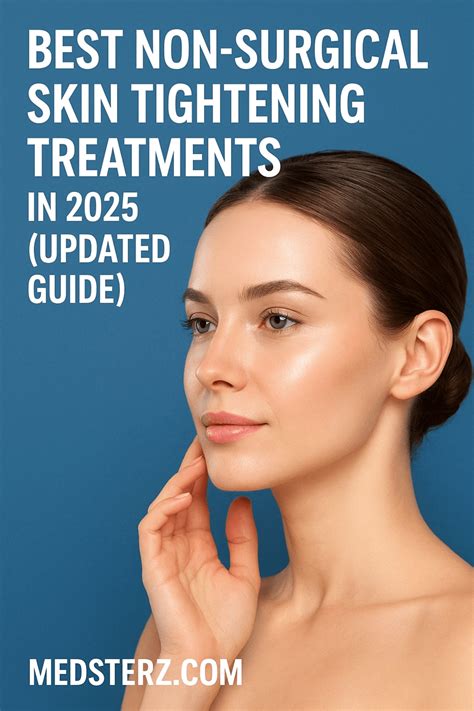
Non-surgical treatments may offer modest improvement for mild skin laxity but are generally less effective for significant sagging.
- Radiofrequency Therapy: Uses low-frequency electromagnetic waves to heat the skin, stimulating collagen and elastin production. Improvement may take up to 6 months.
- Ultrasound Skin Tightening: Targets deep skin tissues to stimulate collagen growth, leading to firmer and more elastic skin over time.
- Laser Skin Tightening: Employs light energy to heat the skin, promoting collagen production. Multiple treatments are typically required.
- Radiofrequency Microneedling: Combines microneedling with radiofrequency energy to stimulate deep collagen production.
- Renuvion: Utilizes helium plasma and radiofrequency energy to heat and contract the underside of the skin, stimulating new collagen production.
Recovery from non-surgical treatments is usually minimal, with mild redness or swelling for a few days. These treatments are best suited for individuals with mild skin laxity.
Surgical Treatments (Body Contouring)
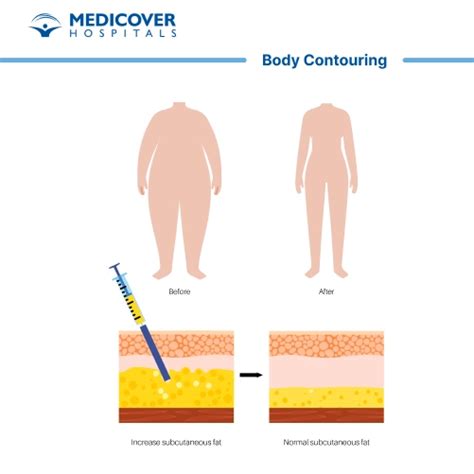
Plastic surgery is often the most effective way to remove loose skin and reshape the body after major weight loss. These procedures are designed to restore body contours and reshape areas affected by loose, sagging skin and excess tissue.
Common Body Contouring Procedures:
- Tummy Tuck (Abdominoplasty): Removes excess skin and fat from the abdomen and tightens the underlying abdominal muscles. It can also involve repositioning the belly button.
- Lower Body Lift: A common procedure that removes sagging skin from the buttocks, thighs, and abdomen.
- Body Lift: Removes excess skin after significant weight loss and can improve the shape and tone of the underlying tissue.
- Arm Lift (Brachioplasty): Tightens and smooths the underlying tissues of the upper arms to eliminate excess skin and fat.
- Thigh Lift: Removes loose skin and some fat from the inner thighs to achieve more slender, shapely legs.
- Breast Lift (Mastopexy): Removes excess skin and tightens the breast tissue, often repositioning the nipple. Some individuals may also opt for breast reduction or augmentation.
- Panniculectomy: Removes the excess skin and fat hanging over the groin or thighs, often referred to as the "pannus" or "apron."
- Facelift and Neck Lift: Address excess skin and sagging in the facial and neck areas.
- Bra Line Lift (Upper Back Lift): Tightens skin around the back and shoulders to address sagging in this area.
GLP-1 medications can lead to significant weight loss, sometimes resulting in loose or sagging skin, prompting many to consider body contouring surgery. If you are on weight-loss medications and exploring surgery, consult both your physician and a board-certified plastic surgeon. You will likely need to stop your medication for a short period before surgery, as some GLP-1 drugs can slow digestion, potentially raising risks with anesthesia.
Who is a Candidate for Excess Skin Removal Surgery?
You may be a good candidate for skin removal surgery if:
- You have maintained your goal weight for at least six months (small weight fluctuations are normal, but significant regain can affect results).
- You are in good overall health, as chronic medical conditions can increase the risk of complications.
- You have realistic expectations about the outcomes of body contouring surgery.
- You understand the potential risks, such as bleeding, infection, and scarring.
Surgeons will also consider factors such as age, nutritional status, smoking habits, and any existing health conditions. If you smoke, you will likely be required to quit several weeks before surgery.
Recovery and Considerations After Surgery
Recovery time after excess skin removal surgery varies depending on the procedures performed and the individual. Generally, initial recovery takes one to two weeks, with swelling and bruising expected. Full results may take several months to become apparent, though immediate improvements to your overall figure might be noticeable.
- Wound Care: Patients must follow their doctor’s instructions for wound care, including keeping the area clean and dry.
- Activity Restrictions: Strenuous activity should be avoided during the initial recovery period.
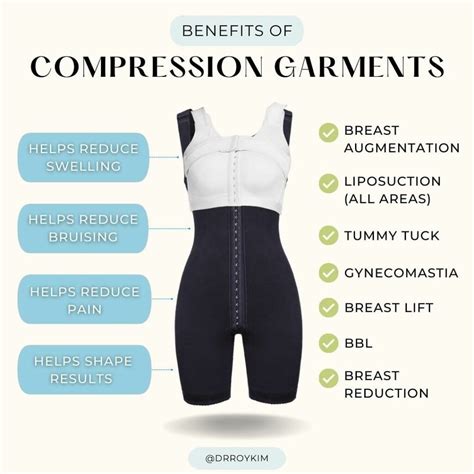
- Compression Garments: Special compression garments are often required for several weeks to reduce swelling and fluid formation.
- Pain Management: Surgeons typically use a combination of medications and interventions to manage pain and improve comfort.
- Drains: Surgical drains may be necessary to remove excess fluid or blood from the surgical site.
- Scars: Body contouring surgery will result in scars, the extent of which varies by procedure. Most scars fade over time, but some individuals may experience thicker or discolored scars.
It is important to ensure your weight has been stable for at least six months before surgery. Surgeons also want to confirm that patients are nutritionally optimized, as severe vitamin deficiencies can lead to slower healing and increased infection risk.
Combining Procedures: Multiple body contouring procedures can often be performed at the same time to consolidate recovery time without significantly increasing overall surgical risk.
Risks: As with any surgery, potential risks include bleeding, infection, scarring, and blood clots (deep vein thrombosis). Your individual risks depend on your age, the amount of weight lost, health conditions, and the extent of tissue removed.
Weight Loss After Surgery: While excess skin can feel heavy, most patients experience a weight loss of less than ten pounds after body contouring surgery. The primary goal is body reshaping, not significant weight reduction.
Long-Term Results: Results may change due to future weight fluctuations, pregnancy, or the natural aging process. Maintaining a stable weight and healthy lifestyle is crucial for preserving surgical outcomes.