Lip fillers have become a popular cosmetic enhancement for addressing concerns like lip thinning and asymmetry, evolving from a beauty trend into a significant cultural phenomenon. As demand grows, prioritizing safety and quality in these treatments is paramount. Lip fillers typically consist of hyaluronic acid (HA) gels, injected to restore lost volume, enhance definition, and minimize wrinkles, offering a quick, non-surgical solution to counteract the effects of aging and improve lip symmetry.
A lip filler treatment itself is relatively quick, usually taking around 20 minutes, with an additional 20 minutes allocated for preparation and numbing. While you'll notice plumper lips immediately, peak swelling typically occurs within 24 to 48 hours. Despite initial apprehension, lip fillers are considered one of the quickest and safest procedures for achieving beautifully shaped and complete lips.
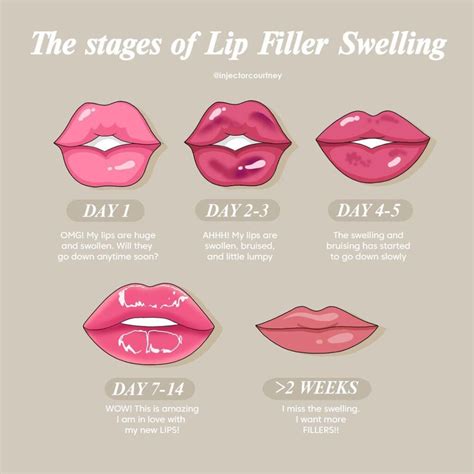
Immediate Post-Treatment Care: The First 24-48 Hours
The initial 24 to 48 hours following lip filler injections are the most critical period for recovery. Adhering to specific aftercare guidelines is vital for optimal healing and ensuring the best possible results.
What to Do:
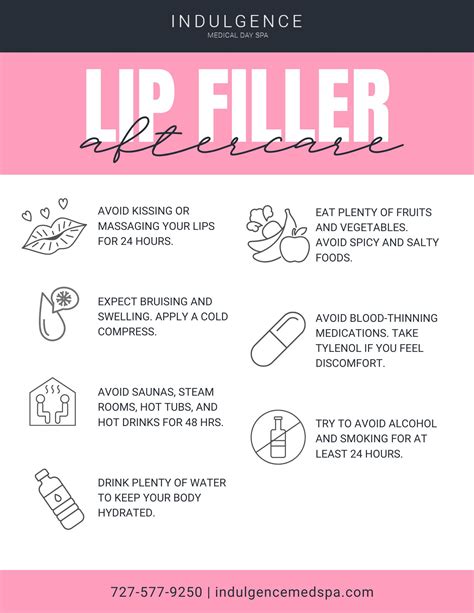
- Keep it Cool: Your lips will likely be tender and swollen immediately after the procedure. Gently apply an ice pack to the treated area for 10-minute intervals to help minimize swelling.
- Stay Hydrated: Drinking plenty of water is crucial for overall healing and maintaining lip moisture, which helps keep them plump. Hyaluronic acid, the primary component of many lip fillers, binds to water, so good hydration supports its integration and longevity.
- Sleep with Your Head Elevated: To prevent excess fluid from accumulating in your lips overnight and to reduce morning swelling, try sleeping on your back with your head propped up on pillows.
- Use Prescribed or Recommended Medications: Painkillers like Tylenol can be used to manage discomfort and swelling. Natural remedies such as aloe vera, vitamin K, or arnica creams may also help reduce swelling and bruising.
- Eat Soft, Lukewarm Foods: Opt for foods that do not require vigorous chewing. This minimizes pressure on the lips and reduces the risk of irritation.
- Gentle Skincare: When washing your face or practicing oral hygiene, use a gentle touch around the lip area. Avoid exfoliation products.
What to Avoid:
- Hot Water and Steam: Refrain from hot showers, steam rooms, saunas, and jacuzzis for at least the first 24 hours. Heat can dilate blood vessels, potentially worsening swelling and bruising, and hot water can scald temporarily numb lips.
- Alcohol: Alcohol acts as a blood thinner, which can increase bruising and swelling and delay the healing process. It's advisable to avoid alcohol for at least 1 to 2 days after treatment, and ideally a few days before as well.
- Hot, Spicy, or Salty Foods: Hot foods can aggravate the injection sites. Spicy foods may irritate sensitive tissues, and excessive sodium can lead to water retention, exacerbating swelling.
- Strenuous Exercise: Intense physical activity elevates heart rate and blood pressure, which can amplify swelling and bruising around the injection sites. Refrain from strenuous workouts for at least 24 to 48 hours.
- Kissing and Excessive Lip Pressure: Deep kissing puts direct pressure on tender lips, risking filler displacement and increasing the chance of infection. Avoid passionate kissing for at least 48-72 hours.
- Smoking and Vaping: The toxins in cigarette smoke and vaping can constrict blood vessels, slowing healing. The repetitive lip movements and suction involved in smoking or vaping can also displace the filler. It's best to avoid these for at least 48 hours.
- Using Straws: The pressure and lip motion required to drink through a straw can cause filler migration, increase discomfort, and prolong swelling. Avoid using straws for at least 24 to 48 hours.
- Sunbeds and Excessive Sun Exposure: Intense heat from sunbeds or prolonged direct sunshine can dilate blood vessels, intensifying swelling, redness, and bruising.
- Touching or Massaging Lips: While there's an inclination to touch or massage the area, avoid doing so unnecessarily. Hands carry bacteria, increasing the risk of infection. Also, avoid aggressive rubbing or massaging the lips as they settle.
- Wearing Heavy Lip Products: For the first 8 to 24 hours, let your lips breathe. Avoid lipsticks, glosses, or heavy makeup around the mouth. If you must use a product, opt for a gentle, hydrating lip balm after the initial 24 hours with a light touch.
- Facial Massages and Certain Tools: Postpone any facial massages, including gentle strokes, lymphatic drainage, gua sha, jade rollers, or ice rollers, for at least one week to ensure the filler settles evenly.
- Eating Extremely Hot or Cold Foods: Due to temporary changes in sensation, it's difficult to gauge temperature accurately. Very cold foods can cause irritation, and hot foods can burn. Stick to moderate temperatures.
Longer-Term Recovery and Expectations
After the initial recovery phase, continued attention to aftercare will help maintain the results and ensure the filler integrates properly.
Ongoing Care:
- Hydrate Regularly: Continue to drink plenty of water to keep your lips smooth and plump.
- Protect from the Sun: UV rays can degrade dermal fillers faster. Use SPF lip balm to protect your lips from sun exposure.
- Gentle Oral Hygiene: Continue to be gentle when brushing your teeth or flossing for about a week.
- Listen to Your Body: If you experience persistent redness, warmth, or pus at the injection site, seek medical attention as these could be signs of infection.
The final results of lip fillers typically become apparent after two weeks, once all swelling has subsided and the filler has fully settled. Lip fillers generally last between 6 to 12 months, with some individuals experiencing results for up to 18 months. Regular touch-up treatments can help prolong these effects.