Castor oil possesses certain properties that may assist in moisturizing the skin, reducing irritation, and alleviating eczema flare-ups. However, it is important to note that research specifically on its effectiveness in treating eczema is limited.
Understanding Eczema
Eczema, also known as atopic dermatitis, is a prevalent inflammatory skin condition characterized by extremely dry, itchy, and painful skin patches. The persistent urge to scratch can lead to the development of blisters, skin infections, and significantly interfere with daily life. Currently, there is no definitive cure for eczema. Nevertheless, effective management strategies, including a consistent daily bathing and moisturizing routine, along with the avoidance of individual eczema triggers, can help prevent flare-ups. Over-the-counter (OTC) and prescription medications are also available to manage flare-ups when they occur, and many individuals find relief through home remedies.
What is Castor Oil?
Castor oil is a vegetable oil derived from the seeds of the Ricinus communis plant, which is commonly cultivated in tropical and subtropical regions of the Eastern Hemisphere. It is characterized by a rich fatty acid profile, primarily consisting of ricinoleic acid, along with minor fatty acids such as linoleic, stearic, palmitic, and oleic acid. The only FDA-approved use for castor oil is as a stimulant laxative, and it is not recommended as a first-line treatment for constipation. Despite this, it is utilized in various cosmetic and pharmaceutical products, including some moisturizers and creams. In folk medicine, castor oil has been touted for a variety of potential benefits, though conclusive scientific evidence for many off-label uses is still being investigated.

Potential Benefits of Castor Oil for Eczema Symptoms
While experts generally do not recommend castor oil specifically for eczema treatment or management due to a lack of robust clinical evidence, some of its inherent properties may theoretically help soothe common eczema symptoms. These potential benefits are largely based on anecdotal reports and a limited understanding of its effects on human skin.
Moisturizes the Skin
Individuals with eczema often have compromised skin barriers, making it harder for their skin to retain moisture and increasing susceptibility to allergens and bacteria. Castor oil is described as a fatty emollient, which can contribute to skin barrier function by improving permeability and aiding in skin repair. It is also considered an occlusive moisturizer, forming a barrier on the skin to reduce transepidermal water loss.
Soothes and Softens Irritated Skin
Castor oil contains natural antioxidants, such as tocopherols, which contribute to its anti-inflammatory properties. These properties may help reduce the inflammation associated with eczema. Furthermore, its rich fatty acid profile can enhance skin smoothness and softness.
Controls Excessive Skin Growth
Similar to psoriasis, eczema is a skin condition that can involve keratinocyte hyperproliferation, or excessive skin cell growth. The antiproliferative properties of castor oil may potentially help to slow down this accelerated skin growth.
Provides Pain Relief
While itching is the hallmark symptom of eczema, it can often lead to pain and disrupt sleep. Castor oil possesses pain-relieving properties that may help ease this discomfort.
Kills Bacteria and Promotes Wound Healing
Eczema flares can result in cracked, open skin, increasing the risk of infection, particularly from bacteria like Staphylococcus aureus. Some research indicates that castor oil exhibits antibacterial and antimicrobial properties. A study involving a castor oil-derived biocidal agent found it facilitated wound healing by promoting fibroblast cell migration (essential for wound repair), collagen maturation (for skin structure and strength), and vascularization to the damaged area, which aids in nutrient and oxygen supply for tissue regeneration.
Research on Castor Oil for Eczema
Despite the theoretical benefits, there is a significant lack of direct scientific evidence to support the use of castor oil for eczema management or treatment. A review of numerous studies evaluating eczema creams found that products containing castor oil did not demonstrate success in preventing or treating eczema flares. While some animal studies and in vitro research suggest anti-inflammatory, analgesic, and antibacterial effects, these findings have not been consistently replicated in human clinical trials for eczema.
Some research also suggests that topical castor oil may not be effectively absorbed through the skin, potentially limiting its efficacy for underlying inflammation. Therefore, it is often considered more helpful when used in conjunction with other treatments that address the immune system's overactivity, which is central to eczema.
How to Use Castor Oil for Eczema (Anecdotal Methods)
Given the limited research, there are no scientifically established guidelines for using castor oil for eczema. However, anecdotal reports suggest the following methods:
- Cleanse the affected area: Ensure the skin is clean before application.
- Apply the oil: Soak a clean, soft cloth (wool or flannel) with castor oil and spread it over the affected area. Alternatively, apply the oil directly to the skin and then cover it with the fabric.
- Cover the area: Use a plastic sheet or another dry cloth to cover the area, helping to lock in moisture.
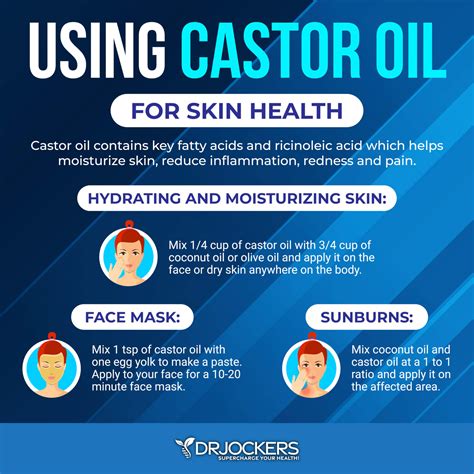
- Dilution: Castor oil is very thick. Some individuals find it beneficial to dilute it with another oil, such as coconut oil, almond oil, or olive oil, in a 1:1 ratio to improve skin absorption.
- Nighttime application: Due to its thick consistency, applying castor oil at night before bed may allow sufficient time for absorption.
It is generally recommended to use cold-pressed, yellow castor oil, as it is purer and less likely to cause irritation compared to black castor oil, which may undergo additional processing.
Potential Risks and Side Effects
While castor oil is generally considered safe for topical application, there are potential risks and side effects to consider, especially for individuals with eczema:
- Allergic Reactions and Irritation: Some individuals may experience allergic reactions to castor oil, leading to eczema-like symptoms such as increased irritation, redness, and itchiness. People with sensitive skin or severe eczema are at a higher risk.
- Patch Testing: To determine potential reactions, it is advisable to perform a patch test by applying a small amount of castor oil to an unaffected area of skin.
- Gastrointestinal Discomfort: If ingested (though not recommended for eczema), castor oil can cause nausea, abdominal cramping, vomiting, bloating, and dizziness.
- Pregnancy Concerns: Castor oil is known to induce labor and should be avoided during pregnancy unless specifically advised by a healthcare provider.
- Medication Interactions: If used as a laxative, castor oil can interact with other medications.
- Clogged Pores: As with any oil, there is a risk of clogged pores, which could potentially lead to acne or folliculitis.
Castor Oil for Other Skin Conditions
Beyond eczema, castor oil is explored for its potential benefits in managing other skin conditions due to its moisturizing, anti-inflammatory, and antimicrobial properties:
- Acne: Its anti-bacterial and anti-inflammatory properties may help reduce pimples.
- Sunburn: Its anti-inflammatory and healing properties can soothe red and irritated skin.
- Wound Healing: It can promote healing and prevent infection in wounds.
- Psoriasis: Its antiproliferative properties may help slow accelerated skin growth.
- Fungal Infections: Extracts from the castor plant have demonstrated significant antifungal properties.
- Bug Bites: It may help treat rashes associated with insect bites.
- Wrinkles: Its rich fatty acid and antioxidant content can help keep skin smooth, hydrated, and reduce signs of aging.
Comparing Castor Oil to Other Eczema Treatments
Effective eczema management relies heavily on a consistent moisturizing regimen. While castor oil is known for its hydrating capabilities, scientific evidence does not conclusively support its ability to prevent or treat eczema flares on its own. Some topical treatments marketed for eczema that include castor oil as an ingredient may be effective, but castor oil is typically not listed as the primary active ingredient. These products may work by combining castor oil's emollient properties with other beneficial ingredients.
Other effective eczema treatments include:
- Barrier Creams, Oils, and Lotions: These are designed to moisturize and protect the skin. Thicker formulations like oils and creams may be more beneficial than lotions due to their longer-lasting effect on the skin.
- Petroleum Jelly, Oatmeal, Shea Butter, Aloe Vera, Glycerin, Coconut Oil, and Sunflower Oil: These are common ingredients found in moisturizers that can help manage eczema.
- OTC Medications: Treatments containing ingredients like steroids can help relieve eczema flares.
- Prescription Medications: For severe eczema unresponsive to home or OTC treatments, topical, oral, or injectable medications may be prescribed.
It is crucial to consult with a dermatologist or healthcare provider to determine the most suitable treatment plan for your specific condition. They can guide you on selecting products that are free from potential irritants like additives, dyes, and fragrances, which can exacerbate eczema.