In recent times, social media feeds have been abuzz with discussions about face tape and its purported benefits for the skin. This trend, often referred to as face taping for wrinkles, has gained significant traction among influencers and beauty experts who showcase their positive outcomes.
To explore the efficacy of this approach, a 5-day challenge was undertaken, utilizing Silicone Patches. This challenge specifically targeted areas of concern, namely mouth/jowl lines and under-eye concerns such as bags and crow's feet. The results suggest that this method offers an incredibly effective non-invasive skin-smoothing solution, presenting a compelling alternative for individuals who prefer to avoid injectables.
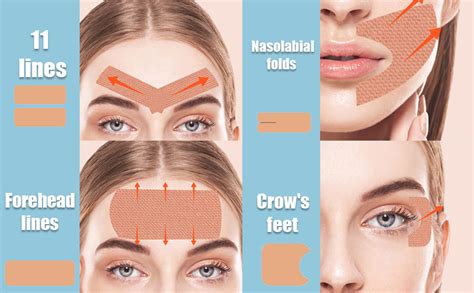
The concept behind using specialized tape for wrinkles is rooted in the idea of gently preventing the skin from creasing into habitual lines. By applying the tape to specific areas, it aims to hold the skin taut, thereby discouraging the formation or deepening of wrinkles during sleep or periods of facial expression. This mechanical action is believed to contribute to a smoother appearance over time.
How Face Taping for Wrinkles Works
The fundamental principle behind face taping for wrinkles is straightforward: it acts as a physical barrier that helps to immobilize the underlying facial muscles. When we express emotions or even rest our faces, certain muscles contract, leading to the formation of temporary lines. Over time, these temporary lines can become permanent wrinkles as the skin loses elasticity.
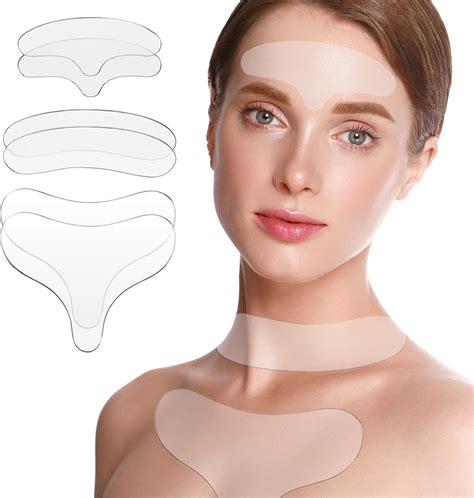
By applying tape to areas prone to wrinkling, such as the forehead, between the eyebrows, or around the eyes and mouth, the tape prevents the skin from folding and creasing. This sustained stillness allows the skin to relax and can potentially help to smooth out existing fine lines and prevent new ones from forming. The silicone material of the patches is also often cited for its skin-healing and hydrating properties, which can further contribute to skin rejuvenation.
Targeting Specific Areas
The effectiveness of face taping can be amplified when applied to specific areas of concern. For instance:
- Forehead lines: Horizontal lines across the forehead can be addressed by applying tape horizontally.
- Frown lines (11s): Vertical lines between the eyebrows are often targeted with vertical strips of tape.
- Crow's feet: Lines radiating from the corners of the eyes can be managed with tape applied at an angle.
- Mouth and jowl lines: Nasolabial folds and lines around the mouth can be treated with tape placed strategically to keep the skin smooth.
The 5-day challenge mentioned previously specifically targeted mouth/jowl lines and under-eye areas, demonstrating the versatility of this technique in addressing common aging concerns.
Benefits of Non-Invasive Wrinkle Treatment
The growing popularity of face taping for wrinkles can be attributed to several key benefits, particularly for those seeking non-invasive alternatives to cosmetic procedures:
- Non-invasive: Unlike Botox or fillers, face taping does not involve injections or surgical procedures, making it a risk-free option for many.
- Cost-effective: Compared to regular professional treatments, face taping can be a more affordable long-term solution.
- Skin healing and hydration: Many tapes, particularly silicone patches, are designed to create a microclimate that promotes skin hydration and healing.
- Prevention: It can be used proactively to prevent the formation of deeper wrinkles, especially in younger individuals concerned about early signs of aging.
- Accessibility: It can be easily incorporated into a nighttime skincare routine at home.
Face Taping Tutorial for 11 Frown Lines | Dr. Janine
The trend highlights a desire for accessible and gentle methods to maintain youthful-looking skin. As more individuals explore these options, the effectiveness and long-term impact of face taping for wrinkles continue to be a topic of interest and discussion within the beauty community.