While aging and sun exposure are common culprits of wrinkles, did you know that sleep is the second leading cause? Fortunately, unlike some other types of wrinkles, those formed during sleep are preventable with the right strategies.
Wrinkles develop when the skin loses its natural collagen and elasticity, leading to permanent marks. Consistent pressure or repetitive muscle movements can break down collagen in specific areas, eventually forming a wrinkle. This is similar to how smile lines form: the repeated motion of smiling breaks down collagen and reduces skin elasticity.
During sleep, your face is subjected to repeated pressure as it rests against your pillow night after night. This can manifest as temporary "pillow face" upon waking. With continued pressure over time, these temporary marks can become permanent, especially since we spend approximately a third of our lives asleep.
The primary cause of sleep wrinkles is sleeping with your face pressed against a pillowcase, particularly those made of cotton. The good news is that sleep wrinkles are preventable, and you can start implementing preventive measures tonight. The sooner you begin, the more protection you'll have against permanent creases.
Understanding the Causes of Sleep Wrinkles
The Mechanics of Wrinkle Formation
Wrinkles occur when your skin's collagen and elasticity diminish, leaving lasting impressions. Repeated pressure or muscle actions in specific areas can degrade collagen, leading to the formation of wrinkles. For instance, the continuous motion of smiling breaks down collagen and causes the skin to lose its suppleness.
Sleep as a Contributing Factor
The science behind wrinkles directly relates to sleeping habits. When you sleep, your face is pressed against a pillow repeatedly, night after night. This pressure can lead to temporary marks, often referred to as "pillow face." Over time, this consistent compression can cause these marks to become permanent, especially given the significant amount of time spent sleeping.
The Role of Pillowcase Material
A major contributor to sleep wrinkles is the interaction between your face and your pillowcase, particularly cotton ones, which exert pressure. The fabric can cause friction and distortion, leading to the breakdown of collagen and elastin.
Preventing Sleep Wrinkles
1. Adjust Your Sleeping Position
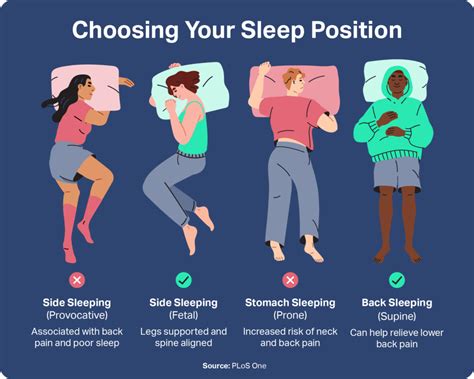
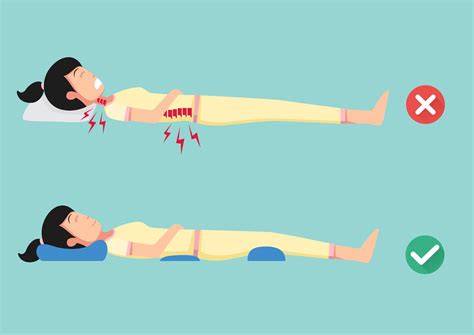
Since sleeping with your face pressed against a pillow is a primary cause of sleep wrinkles, the most effective prevention is to avoid sleeping on your face. Side sleepers and stomach sleepers are more prone to developing these wrinkles because their faces make direct contact with the pillow. Back sleepers, however, are less likely to experience this issue.
Switching sleeping positions can be challenging. One method to encourage back sleeping is to use a rolled towel. Fold a towel tightly along its short side and secure the ends with rubber bands or hair ties. Place this rolled towel where your neck would normally rest, removing your pillow from its usual spot. Adjust it for comfort, which can help you maintain a back-sleeping position.
Alternatively, specialized pillows designed for back sleeping can be beneficial. Airplane pillows, for example, can be used in bed to promote sleeping on your back.
2. Switch to Silk or Satin Pillowcases
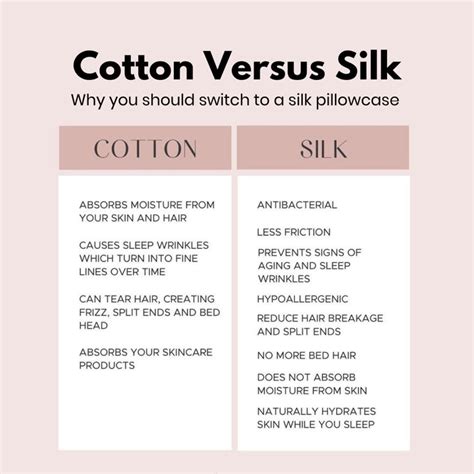
If sleeping on your back feels uncomfortable or leads to other issues like snoring, changing your pillowcase is another effective solution. Cotton pillowcases can cause friction and pressure on your face. Opting for silk or satin pillowcases can significantly reduce this effect.
These smoother materials allow your face to glide across the pillow rather than pressing into it. This reduces the shearing and compression forces on your skin, thereby minimizing the development of sleep wrinkles.
3. Incorporate a Hydrating Night Cream
A thick, moisturizing night cream can provide deep hydration, which is crucial for maintaining skin elasticity and preventing wrinkles. These creams often contain ingredients that help to replenish the skin's moisture barrier.
For those seeking natural alternatives, coconut oil is an excellent option. It offers significant moisturizing benefits and can contribute to wrinkle prevention.
4. Utilize Retinol Products
Retinol is a powerful ingredient in combating wrinkles. It works by stimulating collagen production in the skin. Since weakened collagen is a primary cause of wrinkles, boosting its production helps maintain youthful-looking skin.
5. Prioritize Sufficient Sleep
"Beauty sleep" is more than just a phrase; adequate sleep is vital for skin health and wrinkle prevention. Aiming for 7 to 9 hours of quality sleep per night allows your skin to rejuvenate and maintain a younger appearance. A consistent sleep schedule is an important component of any anti-wrinkle regimen.
How collagen induction works in 3D. Microneedling skin rejuvenation
Can Sleep Wrinkles Be Reversed?
Temporary sleep wrinkles, often noticeable upon waking, usually diminish as the day progresses. However, if you consistently sleep in positions that cause facial compression, these lines can gradually become permanent. This occurs because, over time, the repeated creasing of the skin leads to a breakdown of collagen and a loss of elasticity, similar to how expression lines become etched into the skin.
While the effectiveness of reversing established sleep wrinkles can vary, proactive prevention is key. For those concerned about existing sleep lines, various strategies can help mitigate their appearance and prevent further development.
At-Home Strategies and Professional Treatments
For individuals experiencing sleep wrinkles, a combination of at-home care and professional treatments can be effective. While prevention is paramount, some methods may also help reduce the appearance of expression wrinkles.
Minimizing Facial Compression
The fundamental principle in preventing sleep wrinkles is to minimize facial contact with your bedding. Sleeping on your back is considered the ideal position, as it evenly distributes pressure and avoids creasing. However, changing ingrained sleeping habits can be difficult.
If side sleeping is more comfortable, positioning your head so that your temple rests against the bottom edge of the pillow, with the rest of your face hovering above the mattress, can help. Avoid sleeping with your hands under your face, as this can distort facial skin and lead to creases.
The Impact of Skin Health
Maintaining healthy skin is crucial for wrinkle prevention. Factors such as sun exposure, smoking, dry skin, and improper skin pH can contribute to wrinkle formation. Regularly using sunscreens, moisturizers, and toners, and seeking advice from qualified medical aestheticians can support skin health.
Specialty Products and Treatments
Several products and treatments can aid in preventing and potentially reversing sleep wrinkles:
- Retinol Products: These stimulate collagen production, helping to minimize the signs of aging.
- Hyaluronic Acid Serums: These hydrate the skin and plump it up, reducing the appearance of fine lines.
- Nourishing Night Creams: Rich, hydrating creams support skin recovery overnight.
- Microneedling: This minimally invasive treatment can yield significant results in improving skin texture and reducing wrinkles.
- Dermal Fillers: Products like Juvederm and Restylane can be used to fill in lines and wrinkles, though they may need repeat treatments if the underlying cause (facial compression) is not addressed.
- BOTOX®: While BOTOX® is highly effective for expression wrinkles by relaxing muscles, it is generally less effective for sleep wrinkles, as these are caused by mechanical compression rather than muscle movement. However, it can help soften existing lines and prevent them from deepening.

Expert Insights on Sleep Wrinkles
Plastic surgeons and dermatologists emphasize that sleep wrinkles are formed by the mechanical compression of the face against a pillow. Dr. Goesel Anson, Plastic Surgeon and Creator of JuveRest, explains that these wrinkles occur in predictable locations due to the skin's fixed anchor points to the bone. Because the forces are mechanical, muscle relaxants like Botox are ineffective for sleep wrinkles.
Dr. Anson notes that sleep wrinkles disappear on younger skin but become permanent with constant compression and decreased elasticity due to aging. The key to prevention is sleeping on your back, which also offers benefits like clearer, firmer skin and better back alignment.
While wrinkle creams and fillers can treat sleep wrinkles, they may only offer temporary solutions if facial compression isn't addressed. Dr. Anson recommends minimizing facial contact with bedding, acknowledging that changing unconscious sleeping habits is difficult. A supportive anti-wrinkle pillow is suggested as part of a preventative skincare routine.
Regarding copper-threaded and satin pillowcases, research suggests some benefits for copper, and theoretically, silk or satin create less traction. However, any pillowcase fabric will still result in facial contact and compression.
A peer-reviewed study indicated that sleep position significantly contributes to facial wrinkles. The lateral (side) and prone (face down) positions are most likely to cause sleep wrinkles due to the stretch, shear, and compression forces on the skin. While individuals shift positions during sleep, the frequency of these shifts decreases with age.
The orientation of sleep wrinkles often differs from those caused by facial expressions, and unlike expression wrinkles, most sleep wrinkles do not respond well to treatments like Botox.

Maintaining Skin Health
To minimize sleep wrinkles, focus on keeping your skin healthy. Factors like smoking and sun exposure are significant contributors, but dry skin and pH balance are also important. Using sunscreens, moisturizers, and toners, and obtaining skincare advice from qualified professionals are essential steps.
Some authors suggest using specialty pillows to limit facial distortion during sleep, which can help reduce the emergence of sleep wrinkles.
The Importance of Hydration and Elasticity
The sun's UV rays directly break down elastic fibers, leading to decreased elasticity over time, along with collagen loss. When the skin is compressed during sleep, the diminished elasticity prevents it from returning to its original shape as effectively.
Hydration plays a crucial role. Well-hydrated skin possesses better elasticity and recovers more quickly from compression. Drinking water and applying moisturizing lotions can significantly improve the skin's ability to bounce back.
Ingredients like hyaluronic acid are beneficial as they attract and retain moisture, plumping the skin and potentially smoothing out fine lines. Products that help build collagen or contain collagen-boosting ingredients are also valuable.
Understanding the Nature of Sleep Wrinkles
Sleep wrinkles are primarily mechanical in nature and do not typically pose serious health risks. While they may be aesthetically undesirable, they are not generally considered permanent or indicative of underlying health issues. The key to managing them lies in addressing the mechanical forces that cause their formation.