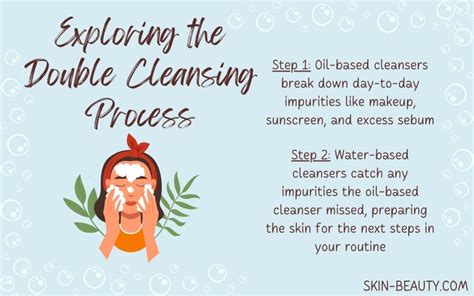
Double-cleansing refers to the practice of using two different facial cleansers, back-to-back. The first cleanser is typically a makeup remover designed to melt off makeup or water-resistant sunscreen, such as an oil-based cleanser or micellar water. The second cleanser is a water-based face wash that cleanses the skin.
This method is not new, having long been a part of Korean beauty routines. However, its necessity is a subject of ongoing discussion, with some advocating for it as an essential step and others viewing it as a waste of time. To clarify who should double-cleanse and how, experts like dermatologists, estheticians, and cosmetic chemists have shared their insights.
The reality is that nobody strictly needs to double-cleanse, but there are several valid reasons to consider it. If you frequently wear water-resistant sunscreen or waterproof makeup, double-cleansing may be beneficial. These products can be challenging to remove with a single cleanser, and vigorous scrubbing to remove them can lead to skin irritation for some individuals.
According to cosmetic chemist Shuting Hu, the first cleanser, such as micellar water or an oil-based cleanser, targets and binds to the oils in makeup and sunscreen. When water is added, emulsifiers in the cleanser help to gently lift away these dissolved oils.
The First Cleanse: Targeting Oils and Residue
During the initial cleansing step, harsh scrubbing is avoided, which helps in removing daily residue without causing irritation. Many makeup removers are specifically formulated for eye makeup removal and can be less irritating to the eyes compared to some traditional facial cleansers.
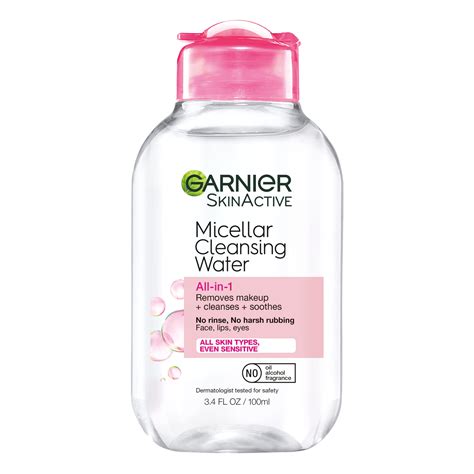
Micellar water, such as Bioderma Sensibio H2O Micellar Water, is a good option if you prefer a makeup remover that doesn't leave a greasy feeling. For those who enjoy massaging a product into their skin with their hands, a cleansing balm or oil cleanser is recommended. A bi-phase cleanser, like E.L.F. Skin’s Holy Hydration E.L.F. Off Makeup Remover, offers a middle ground; it's an oil-and-water blend that requires shaking before use and provides a silky, non-greasy feel.
The Second Cleanse: Deep Cleaning the Skin
It is important to follow up with a facial cleanser for the second cleanse, as it effectively removes any residual oil and dirt left on the skin. Esthetician Sofie Pavitt notes that starting your skincare routine with a clean slate can also serve as a preparatory step for subsequent products, such as retinol, exfoliants, or vitamin C serums.
A simple water-based cleanser, like Vanicream Gentle Facial Cleanser, is sufficient for this step. For those seeking alternatives, other recommendations for different skin types are available.
Double Cleansing and Specific Skin Concerns
Acne and Pores
Some individuals with acne may consider double-cleansing to help reduce blackheads and minimize the appearance of pores. However, dermatologist Angelo Landriscina states that the effectiveness of double-cleansing for pore refinement is yet to be conclusively proven. While double-cleansing effectively removes makeup, SPF, and daily grime, there is insufficient research to support significant improvements in acne management through this method alone. If incorporating an extra step deters you from washing your face altogether, it is more important to prioritize daily facial cleansing over the specific methodology.
How to Double Cleanse
To cleanse with micellar water, saturate a cotton round with the liquid and gently swipe it across the skin and eyelids. For oil cleansers, dispense some oil into your hand and gently massage it onto dry skin. Remember to include the eye and hairline areas. Oil-based cleansers are generally safe for removing eye makeup, provided they are fragrance-free.
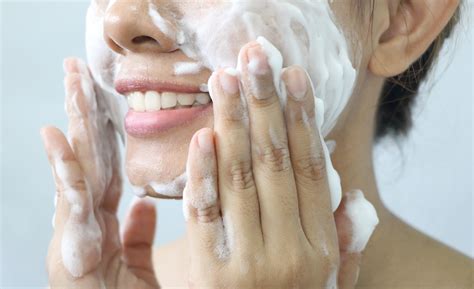
When rinsing, use a washcloth or your hands with lukewarm water to prevent dehydration. Oil-based cleansers containing emulsifiers are typically easier to remove, as they combine with water to form a milky consistency. For the second cleanse, apply a water-based formula to damp skin and massage it in for about a minute, then rinse thoroughly with lukewarm water and pat your skin dry with a soft towel.
Double Cleansing Essentials: A Beginner's Handbook
When to Double Cleanse
It is common to double-cleanse only once a day, typically in the evening, after a full day of wearing makeup and/or sunscreen. While it might sound complex, double-cleansing is a straightforward process that ensures a thorough facial wash without aggressive scrubbing of the skin and eyes to remove stubborn makeup.
However, double-cleansing is fundamentally just another way to wash your face. If you notice yesterday’s eyeliner smudged on your face in the morning, it might be worth trying double-cleansing. This practice has transitioned from a niche skincare trend to a common part of many people's routines.
Double cleansing involves thoroughly washing your face with two different types of cleansers to achieve the desired effect. The first cleanser is usually oil-based, followed by a water-based one. It is also possible to double cleanse with two regular cleansers if oil-based options are not suitable for you.
Why Use Two Different Cleansers?
The types of cleansers used are crucial. An oil-based cleanser is formulated to remove oil-based impurities like makeup, sunscreen, sebum, and pollution. By removing these first, the second water-based cleanser can then effectively address grime and sweat.
Beyond providing a more thorough cleanse, double cleansing can also help revitalize dull skin and improve the penetration of other skincare products. While not a necessity, certain skin types may find double cleansing particularly beneficial. This includes individuals with oily skin, where two gentle formulas can be more effective than one strong formula that might cause dryness. Acne-prone individuals may also benefit from gentle double cleansing to help remove bacteria that contribute to breakouts. The technique is also useful for those who regularly wear heavy makeup.
Historical Roots and Cultural Influence
Japan and Korea are credited as the originators of double cleansing. Historical accounts suggest Japanese geishas used cleansing oils followed by a foaming cleanser to remove their heavy makeup. The technique later gained popularity as part of the Korean 10-step skincare regimen, which has since influenced Western skincare practices.
The Double Cleansing Method
Whether using a cleansing oil or balm followed by a gel, lotion, or cream cleanser, the method remains consistent. Apply the oil-based cleanser to your palm and gently massage it into dry skin using circular motions for about a minute, ensuring to cover the eye and hairline areas. Oil-based cleansers, as long as they are fragrance-free, are generally suitable for removing eye makeup.
When rinsing, use a washcloth or your hands with lukewarm water to avoid dehydrating the skin. Oil-based cleansers containing an emulsifier typically rinse off more easily, transforming into a milky substance when combined with water. For the second cleanse, keep your skin damp and apply the water-based formula in the same manner, using a small amount that adequately covers your face. After about a minute, rinse with lukewarm water and gently pat your skin dry with a soft towel.
It is common to double cleanse only at night, as this is when skin is most likely to have accumulated makeup and grime. However, you can also incorporate the technique in the mornings, as sebum production occurs overnight. Choose a frequency that fits your lifestyle and aim for consistency.
If you occasionally forget to double cleanse, do not worry; simply resume the routine the next day. The choice of cleansers should be tailored to your specific skin type, but general guidelines apply. Avoid cleansers containing sulfates, which can strip natural oils, or potentially irritating ingredients like fragrance and alcohol. Examining the pH level of products is also important; aiming for a pH close to the skin's average of 5 can help maintain balance.
Choosing the Right Cleansers for Your Skin Type
Normal Skin
For normal skin types, which do not have specific concerns, opting for moisturizing or creamy formulas is recommended. Consider Tatcha’s Camellia Cleansing Oil paired with Neutrogena’s Hydro Boost Hydrating Gel Cleanser.
Dry or Sensitive Skin
Individuals with dry or sensitive skin should always select gentle, non-irritating formulas. A neutral pH level is beneficial to prevent further dryness, and ingredients like jojoba oil and shea butter can aid in hydration. Avène’s XeraCalm Lipid-Replenishing Cleansing Oil is specifically formulated for dry or easily irritated skin, while Clarins’ Gentle Foaming Cleanser is designed to nourish.
Oily or Acne-Prone Skin
For oily or acne-prone skin, lightweight cleansers that regulate oil production are ideal. For acne concerns, look for products with anti-inflammatory ingredients such as vitamin E and glycolic acid. Polyhydroxy acids, known for fighting blackheads, can be found in Hanskin’s Pore Cleansing Oil. A suitable second cleanse could be Garnier’s Shine Control Cleansing Gel.
Combination Skin
People with combination skin should choose cleansers that manage oiliness without causing dryness. A rich, oil-based cleanser containing moisturizing ceramides, followed by a revitalizing foaming cleanser, is a good approach. Kiehl’s Midnight Recovery Botanical Cleansing Oil offers a lightweight option for hydration and oil control, while Cetaphil’s Gentle Foaming Cleanser cleanses and softens simultaneously.
After Double Cleansing
Immediately after double cleansing, it is essential to seal in moisture before proceeding with the rest of your skincare routine. In the morning, follow up with a quality moisturizer and sunscreen. At night, choose between hydrating serums, oils, night creams, or a combination thereof.
It typically takes about a week to notice the benefits of double cleansing, such as a brighter complexion, fewer breakouts, or a generally cleaner feeling skin. If you have been using the technique for a while without visible results, consider trying different products. If improvement is still lacking, alternative methods include cleansing with a cloth or gentle brush, double cleansing with the same cleanser twice (provided it's not micellar water or a wipe), or returning to a single, effective cleansing routine.
Addressing Common Questions About Double Cleansing
Is Double Cleansing Time-Consuming?
You might find that double cleansing requires less effort overall, as you don’t need to scrub as hard with each individual product.
Do You Need to Double Cleanse If You Don't Wear Makeup?
No one is obligated to double cleanse. However, the practice is not solely beneficial for makeup wearers. Oil-based cleansers effectively remove sunscreen and other oily substances that naturally accumulate on the skin. Once these are removed, the second cleanser can work more efficiently without having to contend with an additional layer of impurities.
Will an Oil Cleanser Cause Breakouts?
This is a common misconception. Some experts suggest that "oil plus oil" does not necessarily create more oil, and that cleansing oils can actually remove pore-clogging substances that may lead to breakouts. However, there is limited research to support this claim, and the American Academy of Dermatology advises individuals with oily skin to exercise caution with oil-based cleansers.
Is It Possible to Over-Wash Your Skin?
Yes, over-washing can lead to visible signs of dryness or irritation. However, with the appropriate cleansers and technique, double cleansing should not harm the skin. It is important to gently massage the skin rather than rubbing it aggressively. If you feel that cleansing twice a day is too much, opt for a nighttime double cleanse. Individuals with dry skin will notice increased dryness if over-washed, while oily skin types might experience increased oiliness and breakouts. Inflammation can also occur in those prone to acne.
There is no harm in trying double cleansing. The keyword is gentle, both in terms of cleanser formula and application technique. If you find the process inconvenient, a single, properly executed cleanse might be just as effective.
Your skin endures a lot daily, exposed not only to makeup but also to environmental stressors like pollution, which can cause inflammation and accelerate aging. The first cleanse removes surface-level makeup, SPF, or grime, preparing the skin for the second cleanse to thoroughly clean the pores. Double cleansing distributes the cleansing effort between two steps, rather than relying on one to do all the work.
There are differing opinions on the types of cleansers to use. A common recommendation is an oil-based cleanser followed by a water-based one, though this can depend on budget and skincare preferences. It is also possible to double cleanse using the same cleanser twice, as long as it is not micellar water or a wipe, to ensure complete removal of daily grime.
How to Double Cleanse with the Same Cleanser
If you choose to double cleanse with the same product, adapt your routine accordingly. For instance, after applying and massaging an oil-based balm cleanser onto dry skin, use a muslin cloth soaked in lukewarm water to gently remove it. Ensure all makeup is removed before proceeding to the second cleanse. Work a water-based cleanser into damp skin, taking time to clean crevices. Rinse thoroughly with lukewarm water and pat dry.
Double cleansing is primarily recommended for nighttime use to ensure the complete removal of the day's accumulated impurities before your evening skincare routine. In the morning, a lighter cleanse is usually sufficient as heavy makeup or SPF is not typically worn overnight.
Generally, anyone who wears makeup, SPF, or both would benefit from evening double cleansing. However, individuals with very sensitive skin or conditions like rosacea, where rinsing with water can be uncomfortable, may find that less is more.
Double Cleansing with Specific Brands
Trinny London Example
A step-by-step guide for double cleansing might involve using Trinny London’s Be Your Best Enzyme Balm Cleanser first, followed by the Trinny London Better Off AHA/PHA Gel Cleanser. The balm cleanser, being oil-based, attracts and breaks down daily grime. Massage 1-2 pumps onto a dry face and neck, then gently remove with a lukewarm, damp muslin cloth. Ensure all makeup is removed before applying the gel cleanser to damp skin, massaging thoroughly to ensure active ingredients work effectively. Satisfied your skin is clean? Rinse and pat dry.
CeraVe Recommendation
It is possible to double cleanse with CeraVe products. Depending on your skin’s oil levels and makeup usage, you can double cleanse once or twice daily, either in the morning or at night. Choose a cleanser suited to your skin type and use it twice for enhanced benefits. For very dry skin, CeraVe Hydrating Foaming Oil Cleanser is suggested. For sensitive skin, CeraVe Hydrating Cream-to-Foam Cleanser is recommended. Combination or oily skin types might benefit from CeraVe Foaming Cleanser, designed to remove excess sebum without disrupting the skin barrier. For skin prone to mild acne, CeraVe Smoothing SA Cleanser can combine double cleansing with exfoliation.
The double cleansing method, which first gained prominence in Japan and South Korea before becoming popular in the West, involves two different cleanser formulas-typically an oil or balm followed by a cream or foam cleanser. The steps are simple yet effective: an initial cleanse to remove surface impurities like makeup, sunscreen, and pollution using gentle circular motions, followed by rinsing or wiping away. A small amount of a second cleanser is then used to re-cleanse the skin.
The benefits of double cleansing are most noticeable for individuals who frequently wear heavy or waterproof makeup or sunscreens containing zinc oxide or titanium dioxide. While less necessary without makeup, its utility varies depending on skin type. The method itself is the primary source of benefits, so using two different cleansers is not always essential. A makeup remover is recommended for heavy eye makeup, but otherwise, selecting one cleanser formula suitable for your skin type is often sufficient.