Social media often highlights everyday practices, making them seem novel. One such practice is exfoliation, the process of removing dead cells from the skin's outer layer. While often promoted as a cure-all, experts emphasize that exfoliation serves a specific purpose and isn't a universal fix for all skin concerns.
How Exfoliation Works
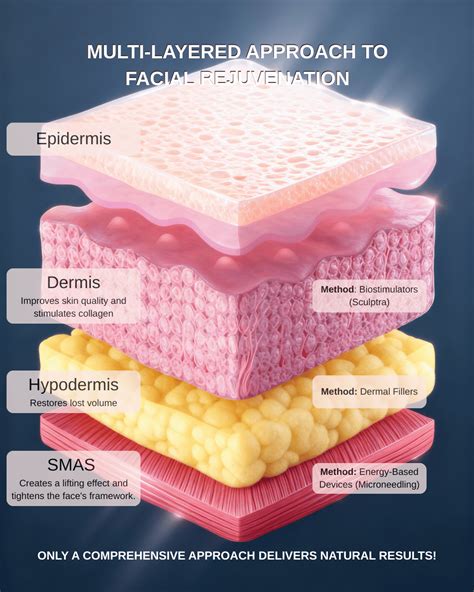
The skin is the body's largest organ, composed of three main layers: the hypodermis, dermis, and epidermis. The epidermis is the outermost layer, acting as a protective barrier against the external environment. Your skin naturally regenerates, with a full cycle of cell turnover occurring every 40-56 days. As new skin cells are generated in the lower layers, older cells die and naturally slough off. This natural process of cell turnover is crucial for maintaining healthy skin. When cell turnover is uneven, it can impair the skin's ability to retain moisture, leading to increased roughness.
Exfoliation helps this natural process by removing dead skin cells that may not shed completely on their own. This removal can decrease skin surface roughness and improve hydration, resulting in smoother skin. Smoother skin also allows skincare products to penetrate more effectively and can enhance collagen production.
Types of Exfoliation
There are two primary methods of exfoliation: mechanical (or physical) and chemical.
Mechanical Exfoliation
Mechanical exfoliation utilizes tools or abrasive particles to manually remove dead skin cells. This can include:
- Tools: Brushes, loofah sponges, washcloths.
- Scrubs: Products containing abrasive particles like sugar, salt, or beads.
Dr. Rachel Reynolds, interim chair of dermatology at Harvard-affiliated Beth Israel Deaconess Medical Center, notes that mechanical exfoliation can improve skin luster by removing the dull layer of dead skin cells.
Chemical Exfoliation
Chemical exfoliation uses chemicals, typically alpha hydroxy acids (AHAs) and beta hydroxy acids (BHAs), or salicylic acid, to dissolve the bonds holding dead skin cells together. These acids work on a more micro-level to help shed excess skin cells and reduce uneven pigmentation on the skin's surface.
- AHAs: Common examples include glycolic acid, lactic acid, and mandelic acid. They work in the superficial layers of the skin and can help repair photoaged skin, increase hydration, and improve skin turgor.
- BHAs: Salicylic acid is a popular BHA. It can penetrate deeper into pores to help unclog them, reduce inflammation, and treat acne.
Retinols and retinoids also function as chemical exfoliants by increasing cell turnover.

Who Should Exfoliate?
Exfoliation is not a necessity for everyone. "Nothing happens if you don't exfoliate - you just walk around with bumpy or slightly dry skin, which is inconsequential except for cosmetic reasons," states Dr. Reynolds. However, it can be beneficial for improving skin texture and appearance.
For conditions like keratosis pilaris, characterized by rough, bumpy "chicken skin" on the arms and thighs, exfoliation can be particularly helpful. Physical exfoliators are often recommended for these tougher skin areas, though chemical exfoliants in cleansers or lotions can also be effective.
How Often Should You Exfoliate?
The frequency of exfoliation depends heavily on individual skin type, sensitivity, and how the skin reacts to exfoliants. There isn't a one-size-fits-all rule, but general guidelines exist:
Exfoliation Frequency by Skin Type:
- Dry and Sensitive Skin: Start with once a week. If well-tolerated, gradually increase to twice a week.
- Oily Skin: Two to three times a week is typically sufficient, though more may be possible depending on the method and product used.
- Combination Skin: Twice a week often works best. Be mindful that combination skin can have both oily and dry areas, requiring tailored approaches.
- Normal Skin: Two to three times a week is generally suitable.
It is generally recommended not to exfoliate the face every day. Dr. Reynolds suggests exfoliating at most two or three times a week.
Dermatologist's Exfoliation Guide: What You NEED to Know for Face & Body
Potential Risks and How to Avoid Them
While beneficial, both physical and chemical exfoliation can cause harm if not done correctly. Factors such as skin sensitivity and the aggressiveness of the method play a significant role.
- Irritation and Inflammation: Sensitive skin is more prone to irritation. Overly harsh physical exfoliation can also aggravate inflammatory acne.
- Over-exfoliation: Signs of over-exfoliation include redness, tightness, dryness, and a "shiny but not oily" appearance due to the removal of too many surface cells.
Tips for Safe Exfoliation:
- Listen to Your Skin: If you experience irritation, redness, or itchiness, stop exfoliating until your skin recovers. You may then need to try a different product or method.
- Gentle Approach: Opt for gentler chemical exfoliants, such as lower concentrations of hydroxy acids or salicylic acid, especially if you have sensitive skin.
- Avoid Harsh Methods: Be cautious with abrasive physical exfoliators, particularly on sensitive or acne-prone skin.
- Sun Sensitivity: AHAs can increase sun sensitivity. It's recommended to use them at night and always apply a broad-spectrum sunscreen with at least SPF 30 daily. BHAs do not typically cause sun sensitivity.
- Don't Overdo It: Avoid using multiple types of exfoliants simultaneously, as this can strip the skin's natural oils or lead to over-exfoliation. Be aware that other skincare products like serums and masks may also contain exfoliating ingredients.
- Patch Test: Test new products on a less sensitive area of skin before applying them to your face.
When to Exfoliate
There is no single "best time" to exfoliate; it depends on your routine and the products used. AHAs are often recommended for nighttime use due to potential photosensitivity. Physical and other chemical exfoliants can generally be used at any time of day.
Cleansing before exfoliating removes dirt and grime, preparing the skin. Cleansing after exfoliating washes away the loosened dead skin cells and debris.

Exfoliating the Body
Body exfoliation often involves more robust methods than facial exfoliation, using products like pumice stones or coarser scrubs. However, gentler chemical exfoliants are also an option. It's beneficial to exfoliate the entire body, paying extra attention to drier areas such as knees, elbows, feet, thighs, and buttocks. Exfoliation should be done in the shower, followed by moisturizing.
Avoid exfoliating areas with cuts, sores, or broken skin. If irritation occurs, give the body a rest.
Benefits of Exfoliation
Regular and appropriate exfoliation offers several advantages:
- Removes dead skin cells that can make the complexion appear dull.
- Helps prevent clogged pores.
- Allows other skincare products to penetrate more effectively.
- Can boost collagen production.
- Promotes a smoother, brighter complexion.
When choosing exfoliants, consider your skin type. Gentler chemical formulas like glycolic acid are suitable for dry skin, while oily skin can often tolerate physical exfoliants or stronger chemical options. Combination skin may benefit from alternating methods, and sensitive skin should use products specifically formulated for it, potentially with natural enzymes.