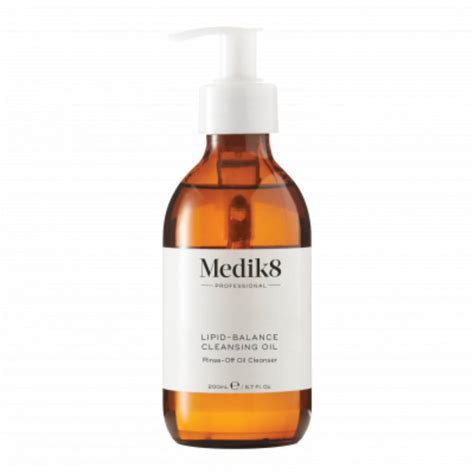
The Medik8 Lipid-Balance Cleansing Oil is a luxurious cleansing solution designed to deeply nourish and rebalance the skin's natural lipid levels. This innovative formula transforms from a silky oil into a milky emulsion upon contact with water, ensuring a thorough cleanse without leaving any residue.
Key Ingredients and Their Benefits
This cleansing oil is formulated with a blend of carefully selected ingredients, each contributing to its efficacy:
Cold-Pressed Safflower Oil
Derived from one of humanity's oldest crops, Carthamus Tinctorius Seed Oil (Safflower Seed Oil) is rich in linoleic acid and oleic acid, which are effective moisturizers. It also contains Vitamin E, a potent antioxidant that helps nourish the skin's lipid barrier and protect against free-radical damage. Historically, safflower has been used for dyeing fabrics and as a saffron substitute in food. Due to its high fatty acid content, this ingredient may not be suitable for those with malassezia folliculitis.
Olive Oil (Olea Europaea Fruit Oil)
Extracted from the ripe fruit of the olive tree, Olea Europaea Fruit Oil is primarily composed of glycerides of linoleic, oleic, and palmitic acids. It contains Vitamin E, an antioxidant that may help reduce signs of aging by combating free radicals. Olive oil also provides Vitamins A, D, and K. Its squalene content makes it an excellent emollient, helping to soothe, soften, and trap moisture in the skin, thus acting as a superb moisturizer. Studies suggest olive oil possesses antibacterial and antifungal properties in low concentrations. However, it's important to note that one study found olive oil to irritate sensitive, oily skin, and due to its fatty acid content, it may not be suitable for fungal-acne-prone skin. Consultation with a professional is recommended for incorporating it into a routine.
Moringa Oleifera Seed Oil
Also known as Moringa seed oil, this oil is expressed from the seeds of the Moringa oleifera plant, native to the Himalayan mountains. It is rich in nourishing and moisturizing fatty acids, with oleic acid being a primary component (around 75%). It also contains behenic acid, which contributes to the oil's stability and long shelf life. Moringa seed oil boasts antioxidant, anti-inflammatory, and skin-hydrating properties. As an emollient, it forms a film on the skin to lock in moisture, keeping it hydrated and soft. Many compounds within moringa seed oil, including Vitamin E, catechins, and ferulic acid, contribute to its antioxidant and anti-inflammatory benefits. This ingredient may not be fungal-acne safe.
Sunflower Seed Oil (Helianthus Annuus Seed Oil)
Derived from sunflower seeds, Helianthus Annuus Seed Oil is a non-fragrant emollient that softens and moisturizes the skin. It is rich in fatty acids that aid in ceramide production, crucial for repairing the skin barrier. Sunflower seed oil helps the skin look more rejuvenated and smoother. Historically, Indigenous cultures of North America used sunflower oil for moisturizing skin and hair for thousands of years. The unrefined version is particularly high in linoleic acid, which can be beneficial even for acne-prone skin. However, sunflower seed oil may not be fungal acne safe.
Carrot Seed Oil and Extract
- Daucus Carota Sativa Root Extract (Carrot Root Extract) is derived from the edible carrot root and contains beta-carotene, a potent antioxidant. Beta-carotene is known for its potential to reduce signs of aging and protect against UVB-induced erythema. It's important to note that contact with the leaves of wild carrots can cause skin irritation due to sap that leads to phytophotodermatitis. This extract is created using edible parts of the carrot.
- Daucus Carota Sativa Seed Oil (Carrot Seed Oil) is obtained from the seeds of the edible carrot through steaming and distillation. This oil possesses hydrating, anti-inflammatory, and antioxidant properties. As an emollient, it forms a thin film to prevent moisture loss, keeping skin hydrated. It has a soothing effect and can help alleviate inflammation. Emerging studies suggest its alpha-pinene and carotol content may offer antibacterial and antifungal properties, though more research is needed. It is crucial to distinguish Carrot Seed Oil from carrot oil, which is typically carrot root extract mixed with a carrier oil.
Antioxidant Powerhouses: Vitamin E and Beta-Carotene
Tocopherol, commonly known as Vitamin E, is a vital fat-soluble antioxidant that protects the skin from free radicals and strengthens the skin barrier. It supports the health of natural skin lipids and offers some UV protection, though it should not replace sunscreen. Vitamin E is particularly effective when paired with Vitamin C, as it helps stabilize Vitamin C, enhancing the efficacy of both.
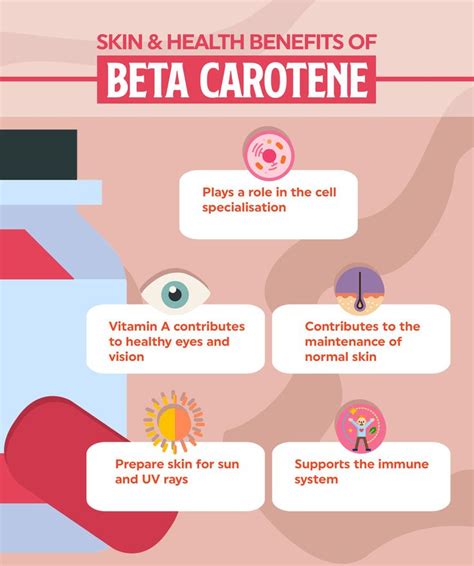
Beta-Carotene, a fat-soluble carotenoid pigment, is a powerful antioxidant that neutralizes free radicals. When applied topically, it accumulates in the outermost skin layer, providing defense against photo-oxidative stress and boosting the skin's resistance to UVB radiation. It can also help inhibit enzymes that break down collagen. Beta-carotene works synergistically with other antioxidants like Vitamin E and Vitamin C.
Emulsifiers and Surfactants
Sorbeth-30 Tetraoleate is a surfactant and emulsifier that helps oil and water mix, facilitating the removal of dirt and oils from the skin. Studies have indicated that pumpkin oil containing this ingredient can help hydrate the skin without causing irritation.
Emollients and Texture Enhancers
C12-15 Alkyl Benzoate is an emollient and texture enhancer that helps soften and hydrate the skin by creating a moisture-trapping film. It is often used in sunscreens to ensure even distribution of active ingredients. However, this ingredient has been reported to cause eye irritation.
Fragrance Components and Potential Sensitizers
Several ingredients in the formulation contribute to its fragrance, but some may also pose risks for sensitive skin:
- Citrus Aurantium Dulcis Peel Oil (Orange Peel Oil): Contains limonene and linalool, contributing a citrus fragrance. It is a source of flavonoids, which are natural antioxidants. However, orange peel oil contains furanocoumarins, which can make the skin mildly phototoxic, especially in products used during the day.
- Pelargonium Graveolens Flower Oil (Rose Geranium Flower Oil): This is the pressed oil from the Rose Geranium plant. It is volatile and contains fragrant components like citronellol and geraniol, which can potentially cause allergies and skin sensitivity.
- Limonene: A common fragrance ingredient found in citrus peel oils and other plants. It acts as an antioxidant but can sensitize the skin when oxidized upon exposure to air.
- Citronellol: Used to add fragrance, often derived from plants like roses. It can become irritating to the skin when exposed to air due to its unstable molecular structure. It has low permeability into the skin and also acts as a natural insect repellent.
- Geraniol: Another fragrance component, found in essential oils like Rose Oil and Citronella Oil. It can irritate the skin when exposed to air, though irritation depends on its penetration ability. Like citronellol, it is a natural insect repellent.
- Linalool: A widely used fragrance ingredient derived from plants like mint, citrus, and lavender. It oxidizes on exposure to air, which can lead to allergies and skin sensitivity.
- Citral: Provides a lemon-like scent and is a known allergen that may cause contact dermatitis. The term 'citral' encompasses two isomers: geranial (Citral A) and neral (Citral B).
- Ethyl Linoleate: Listed as a fragrance and is not considered fungal acne safe.
It is important to note that the term 'fragrance' is not strictly regulated in many countries, and brands may define it differently. Products labeled "fragrance-free" may still contain ingredients like essential oils that are considered a fragrance.
Vitamin C Derivative
Ascorbyl Palmitate is a fat-soluble form of Vitamin C. While it is more stable than pure ascorbic acid and blends well into oil-based formulas, research on its efficient conversion to active Vitamin C in the skin is limited. Some studies suggest it may support collagen production, but it is not considered one of the most potent Vitamin C derivatives. Due to its palmitic acid base, it may not be fungal acne safe, and has a comedogenic rating of 2. It's important to remember that comedogenic and irritancy ratings are based on individual ingredients, not finished formulations.
Product Information and Usage
The Medik8 Lipid-Balance Cleansing Oil is typically dispatched within 24 hours and is usually in stock. Free delivery is available on orders over $50. For detailed information on delivery options and returns, please refer to the shipping information page.
Safety Warnings
Always avoid direct eye contact. If the product enters the eyes, rinse thoroughly with water. If irritation occurs, discontinue use. If irritation persists, consult a doctor. Use only as directed and on unbroken skin. Patch testing prior to use is strongly advised. A detailed guide to patch testing can be found at medik8.co/patch.