Applying sunscreen is a crucial step in protecting your skin from the sun's damaging ultraviolet (UV) radiation, especially when you are outdoors during the day. Even on cloudy days, UV rays can penetrate the atmosphere and harm your skin. However, the question arises: what about at night, when the sun is not visible? This article explores whether it is advisable to wear sunscreen at night and what the implications might be for your skin.
The Purpose and Function of Sunscreen
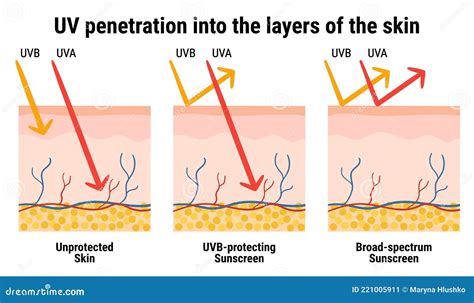
Sunscreen is a skincare product specifically formulated to shield your skin from the detrimental effects of UV radiation. UV rays are most potent during daylight hours, particularly when the sun is shining directly. Sunscreens achieve this protection through two primary mechanisms: physical blockers, such as zinc oxide and titanium dioxide, which create a barrier on the skin to reflect UV rays, and chemical absorbers, like oxybenzone and avobenzone, which absorb UV radiation and convert it into heat.
Can You Use Sunscreen at Night?
The direct answer to whether you can use sunscreen at night is yes, but it's important to understand the context and potential consequences.
Situations Where Nighttime Sunscreen Might Be Considered
- Late Daylight Exposure: If the sun remains visible late into the evening, applying sunscreen can offer an additional layer of protection, even if its intensity is reduced.
- Sensitive Skin: Mineral sunscreens containing zinc oxide or titanium dioxide can provide a protective barrier for individuals with sensitive skin, even at night.
- Protection from Artificial Light Sources: Some sunscreens can offer protection against UV and blue light emitted from artificial sources, which may be present indoors.
The Importance of Daily Sunscreen Use
Dermatologists consistently emphasize the daily application of sunscreen as a vital anti-aging strategy and a defense against sun damage, pre-cancers, and skin cancer. Consistent daily use, including reapplication when exposed to direct sunlight, ensures its effectiveness. This habit is beneficial regardless of the weather conditions, as UV rays can still impact the skin even on overcast or winter days.
Indoor Sun Exposure and Window Protection
It is a common misconception that staying indoors eliminates the need for sunscreen. UVA rays, in particular, can penetrate window glass. Therefore, sitting near windows, even indoors, can contribute to long-term skin aging and hyperpigmentation. Standard window glass blocks most UVB radiation but allows a significant portion of UVA radiation to pass through. This is especially relevant for individuals prone to melasma, post-inflammatory hyperpigmentation, or lupus, as even low levels of light exposure can exacerbate pigmentation issues. For those who spend extended periods near windows or in brightly lit indoor spaces, sunscreen can help mitigate cumulative UV exposure. Studies suggest that consistent sunscreen use can significantly reduce the risk of invasive melanoma.
Sunscreen in Winter and Cold Weather
The strength of the sun may be less intense in winter, but UV exposure remains a concern. Sunburn can still occur, especially at higher altitudes or on surprisingly sunny days. UVA rays are present year-round, and reflective surfaces like snow, sand, or water can intensify UV exposure. While UVB levels decrease in colder months, UVA radiation remains relatively constant, continuing to contribute to skin aging and pigmentation, even through glass.
Potential Downsides of Sleeping With Sunscreen On
While you can technically sleep with sunscreen on, it is generally not recommended for several reasons:
Clogged Pores and Enlarged Pores
The particles in sunscreen are designed to provide maximal shielding during the day. When left on the skin overnight, these larger molecules may clog pores, potentially leading to pore enlargement and breakouts. This is particularly problematic as nighttime is when the skin naturally works to recover and rejuvenate away from external aggressors.
Interference with Nighttime Skin Repair
The skin undergoes a crucial repair and regeneration process at night. Sunscreen, designed to block UV rays, is unnecessary in the absence of sunlight. Furthermore, it can potentially block other beneficial skincare products applied at night, diminishing their effectiveness. Instead of focusing on UV protection, nighttime skincare should prioritize products that support the skin's natural recovery mechanisms.
Lack of Moisture and Ineffectiveness
Many sunscreens, especially those with SPF, may not provide the same level of moisturization as dedicated night creams. At night, the skin requires hydration and ingredients that aid in repair. Using sunscreen instead of a night cream can hinder this process. Additionally, sunscreen's primary function is UV protection, which is not needed at night, rendering its application less effective for nighttime skin concerns.
Increased Cost and Potential Irritation
Consistently using a sunscreen with SPF as a nighttime moisturizer, in addition to a daytime sunscreen, can be more expensive. It may also lead to skin issues like dryness, irritation, or acne, further necessitating additional treatments.
Recommended Nighttime Skincare Routine
A comprehensive evening skincare routine should focus on cleansing, hydration, and skin regeneration. This approach ensures that the skin receives the necessary support to repair itself overnight.
- Thorough Cleansing: Begin by thoroughly cleansing your skin to remove makeup, dirt, and impurities accumulated throughout the day.
- Toning: Apply a toner to help regulate the skin's pH level, allowing subsequent products to absorb more effectively.
- Serum Application: Use a serum containing beneficial ingredients such as antioxidants, hyaluronic acid, or retinol, which are ideal for nighttime use and support skin renewal.
- Moisturization: Hydration is essential. Apply a moisturizer suitable for your skin type to lock in moisture and support the skin's barrier function.
- Eye Care: Do not forget the delicate skin around your eyes. Use a dedicated eye cream to address specific concerns in this area.
What to Look for in a Daily Sunscreen
When selecting a daily sunscreen, consider the following:
- SPF 30 or Higher: Always opt for a sunscreen with an SPF of 30 or higher for adequate protection.
- Broad-Spectrum Protection: Ensure the sunscreen provides broad-spectrum protection against both UVA and UVB rays.
- Water-Resistant Formulas: If you anticipate sweating or being in water, choose a water-resistant formula.
- Mineral-Based Options: Mineral sunscreens with zinc oxide or titanium dioxide are often preferred for their physical blocking action and suitability for sensitive skin.
- Non-Comedogenic and Hypoallergenic: For acne-prone or oily skin, select products labeled as non-comedogenic and hypoallergenic.
- Check Expiration Dates: Always check the expiration date to ensure the product is still effective.
Remember to apply sunscreen thoroughly, paying attention to often-forgotten areas like the ears, the back of the neck, the backs of hands, and the tops of feet. Many modern sunscreens also offer multi-tasking benefits, incorporating anti-aging peptides, hydrators, and antioxidants.