Sebum plugs are a common skin concern that can lead to breakouts and uneven skin texture. Understanding what they are, how they form, and how to manage them is key to maintaining clear and healthy skin.
What are Sebum Plugs?
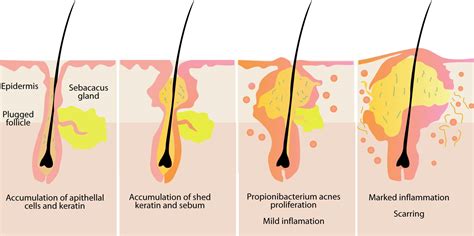
Sebum is the natural oil produced by your skin’s sebaceous glands. It plays a crucial role in keeping the skin hydrated and protecting it from environmental damage. Sebum plugs form when excess sebum, along with dead skin cells and debris, clogs hair follicles. These plugs can appear as tiny bumps on the skin, often on the nose, chin, or forehead. In some cases, they can lead to blackheads or whiteheads. A sebum plug may look like a small bump under the skin’s surface or it could stick out like a grain of sand.
The Science Behind Sebum Production and Clogging
Just below the surface of your skin, across most of your body, lie tiny sebaceous glands that produce an oily substance called sebum. Your face, neck, shoulders, chest, and back tend to contain more sebaceous glands than other parts of the body. The palms of your hands and the soles of your feet contain few, if any, sebaceous glands. Sebum tends to rise to the surface through pores around your hair follicles. Sebum helps lubricate and protect your skin, essentially waterproofing it. When your glands are producing just the right amount of sebum, your skin looks healthy, but not shiny. Too little sebum can lead to dry, cracking skin. Too much sebum in a follicle can cause a hardened plug to form, which can then lead to various forms of acne. A plug can result from too much sebum production, or dead skin cells that block sebum from reaching the surface.
When a sebum plug forms, bacteria that normally lives harmlessly on the surface of your skin can start to grow within the follicle. Inflammation follows, causing a breakout.
Types of Skin Plugs and Related Conditions
Sebum plugs are often precursors to more common acne lesions. Understanding these distinctions is crucial for effective treatment.
Blackheads and Whiteheads
Blackheads: When a sebum plug only partially blocks a hair follicle, it’s known as a blackhead or a comedo. It appears black because the air changes the color of your sebum. It’s not dirt. Whiteheads: If a sebum plug completely blocks a hair follicle, it’s known as a whitehead. The plug remains under the skin, but produces a white bump.
Other Types of Acne Lesions
When a sebum plug becomes inflamed, a papule can form. It’s a small pink bump on the skin that can be tender to the touch. A papule can turn into a pus-filled lesion called a pustule or pimple. Pimples usually have a red base. A larger painful pustule is called a cyst and requires the care of a dermatologist, a doctor who specializes in skin health. When sebum builds up inside a sebaceous gland, the gland can expand, causing a small, shiny bump to form on the skin. This is called sebaceous hyperplasia, and it occurs most often on the face. Unlike most other types of acne, which primarily affect teens and young adults, sebaceous hyperplasia is more common in adults.
Keratin Plugs and Milia
Keratin plugs can look like sebum plugs at first. However, this skin condition develops differently and tends to cause patches of bumpy skin. Keratin, which lines hair follicles, is a type of protein that helps protect the skin from infection. It’s not clear why it builds up and forms a plug, though there may be a genetic component. Milia are small, firm, white or yellow papules commonly found around the periorbital area (eyes) and on the cheeks. Unlike acne lesions, milia are not associated with sebaceous glands or follicles. They represent trapped keratin deposits within small epidermal cysts. Because milia have no natural opening, they cannot be expressed through pressure alone. Removal requires a skilled practitioner to create a tiny incision with a sterile lancet or needle, followed by gentle expression of the keratin pearl.
Understanding Sebaceous Filaments
It's important to distinguish between sebum plugs and sebaceous filaments, as they can often be confused.
What are Sebaceous Filaments?
Sebaceous filaments are thin, threadlike appendages that line your sebaceous (oil) glands. They help move an oily lubricant called sebum from the glands to the surface of your skin. When your sebaceous glands overproduce sebum, your sebaceous filaments become more noticeable. Sebaceous filaments are a normal, healthy element of your skin. They help sebum travel to the surface of your skin. Sebum helps keep your skin and hair hydrated and shiny.
Sebaceous Filaments vs. Blackheads
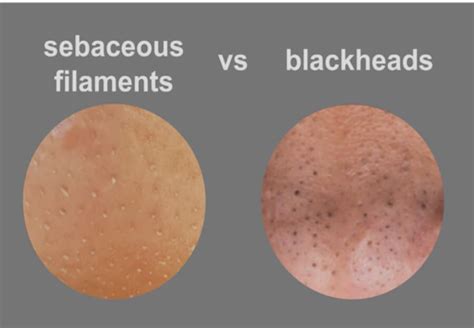
Sebaceous filaments look similar to blackheads, but they’re not the same. Blackheads are a type of acne. They’re open, dark-colored bumps on the surface of your skin that fill with excess oil and dead skin. In a blackhead, a plug of sebum is at the surface of your skin. The plug prevents oil from traveling through the pore. Sebaceous filaments aren’t a type of acne. They don’t have plugs, so oil travels freely to the surface of your skin.
Blackheads look like a dark speck of dirt is in a bump on your skin. Obvious sebaceous filaments look like dark spots on your skin, but they’re usually smaller, flat, and lighter in color-typically, gray, light brown, or yellow. If you squeeze sebaceous filaments out from your skin, a waxy, threadlike structure may pop out of your pore. If you squeeze blackheads out from your skin, the dark, waxy plug may pop out of your pore.
Factors Affecting Sebaceous Filament Visibility
Sebaceous filaments may be more obvious as a result of:
- Age: Your sebaceous glands grow larger and create more oil around puberty, so your sebaceous filaments may be more apparent. As you reach your 40s and 50s, your skin starts to sag or loosen. Your pores may start to get bigger, which makes your sebaceous filaments more obvious.
- Poor skin maintenance: If you spend too much time in the sun or wash your skin too much, you can dry out your skin. Your sebaceous glands then work harder to produce more sebum and rehydrate your skin, which may cause them to look larger.
- Thicker hair: Thicker hair follicles make sebaceous filaments more visible.
Every person has sebaceous filaments. If your body is overproducing oil or your skin is starting to loosen, your sebaceous filaments may look more noticeable. Sebaceous filaments are most apparent around your face (especially your nose, forehead, chin, and cheeks).
Methods for Managing and Extracting Sebum Plugs
Managing sebum plugs involves a combination of good hygiene, targeted treatments, and professional intervention when necessary.
Daily Skincare Practices
All types of acne start with plugged pores. To help prevent the buildup of oil and dead skin in your pores, wash your face with soap and water every day. Use a mild face cleanser and keep the rest of your body clean, too, especially areas that may be prone to acne.
Exfoliation
Regular exfoliation with a gentle scrub or chemical exfoliant (like salicylic acid) can help remove dead skin cells and clear out pores. If you have a sebum plug of some kind, gently exfoliating dead skin cells may help keep the acne from worsening. To do this:
- Wet your face with warm water.
- Apply exfoliating scrub gently for about a minute.
- Rinse with warm water and softly pat your skin to dry.
Topical Treatments
Daily topical treatments, such as glycolic and salicylic acid ointments, may do the job. Other nonprescription treatments, such as benzoyl peroxide, that kill bacteria may be helpful. A class of topical medications called retinoids, which are derivatives of vitamin A, might be recommended. Tretinoin may be better for oily skin and skin that can tolerate a strong medication. Retinol is usually recommended for more sensitive skin. When it comes to any topical treatment, you want to look for products labeled “noncomedogenic” or “nonacnegenic,” because they won’t cause more pore clogging.
For those looking to minimize sebaceous filaments, using a good BHA or salicylic-acid product, practicing oil cleansing, and using ingredients like niacinamide, zinc, sulfur, and pimple patches can be beneficial. Pimple patches help absorb sebum, providing a safer alternative to aggressive extraction methods.
Professional Facials and Extractions
Professional facials can help remove stubborn sebum plugs. Facial extraction is a professional dermatological procedure performed by licensed medical practitioners or trained aestheticians to manually remove impurities trapped within skin pores. This evidence-based treatment addresses comedones, sebaceous plugs, and certain types of acne lesions through controlled, sterile techniques that minimize tissue trauma and infection risk.
The Process of Professional Extraction
What Is Facial Extraction: Medical Definition and Scope
Facial extraction, clinically referred to as comedone extraction, is a manual dermatological procedure targeting obstructed pilosebaceous units. The treatment involves the controlled application of mechanical pressure using sterile instruments or gloved fingers to expel accumulated sebum, keratinocytes (dead skin cells), and other debris from blocked pores.
Clinical Objectives of Professional Extraction
The primary therapeutic goal is the safe removal of comedones to prevent their progression into inflammatory acne lesions. Secondary objectives include:
- Reducing visible pore congestion that contributes to rough skin texture
- Facilitating improved penetration of topical acne medications by clearing follicular obstructions
- Addressing patient concerns about skin appearance in a controlled clinical setting
- Preventing the potential scarring and post-inflammatory hyperpigmentation associated with improper self-extraction
How to Perform Extractions
Professional Extraction vs. Self-Extraction
The fundamental difference lies in training, technique, and sterility. Licensed practitioners undergo extensive education in skin anatomy, aseptic technique, and appropriate force application. They prepare the skin properly through hydration and warming methods that soften sebaceous plugs, use medical-grade sterilized instruments, and apply pressure at anatomically correct angles to minimize trauma.
In contrast, self-extraction typically involves unsterilized implements (often fingernails), excessive force application, and inadequate skin preparation. According to dermatological literature, these factors significantly increase the risk of:
- Follicular wall rupture leading to deeper inflammatory lesions
- Bacterial translocation and secondary infection
- Dermal scarring (atrophic or hypertrophic)
- Post-inflammatory hyperpigmentation, particularly in Fitzpatrick skin types III-VI
Harm-Reduction Guidelines for Emergency Self-Extraction
While professional treatment is strongly recommended, if circumstances require addressing a lesion at home, the following protocol may reduce (though not eliminate) associated risks. This should only be attempted on mature pustules with clearly visible surface purulence:
- Lesion Selection: Only consider lesions that are fully surfaced with a distinct white or yellow center. Deep, painful, or inflammatory lesions without visible pus should never be manipulated.
- Hygiene Preparation: Thoroughly cleanse hands and face with a gentle, non-irritating cleanser.
- Pore Softening: Apply a clean, warm (not hot) compress to the area for 5-10 minutes, or perform the procedure following a warm shower.
- Gentle Technique: Wrap index fingers in clean tissue or use cotton swabs positioned on opposite sides of the lesion. Apply gentle, even pressure directed downward and inward. If contents do not express easily within 1-2 gentle attempts, cease immediately.
- Cessation Criteria: Discontinue if you observe bleeding, significant pain, or no material expression after minimal pressure.
- Post-Extraction Care: Cleanse the area again with a gentle product, apply a spot treatment containing benzoyl peroxide (2.5-5%) or salicylic acid (2%), and avoid touching or covering the area unnecessarily.
It must be emphasized that these guidelines represent harm reduction, not endorsement. Professional extraction remains the evidence-based standard of care.
When to See a Dermatologist
If good skin hygiene, over-the-counter cleansers, and lifestyle changes aren’t improving your skin, you should see a dermatologist. If you don’t already have a dermatologist, it’s always better to see a doctor earlier than later when it comes to any type of skin problem. Acne can get out of control quickly. Even if you only have a few clogged pores, it’s worth seeing a doctor for guidance and a prescription cleanser if needed. The nature of your skin condition and any other symptoms will help guide your doctor’s treatment plan. You may be prescribed a topical ointment and given instructions about a daily skin care regimen. If the condition is serious, your doctor may prescribe an antibiotic or other oral medication right away.
Managing Sebum Plugs and Personal Well-being
When sebum plugs, blackheads, whiteheads, or any other related skin condition is visible-particularly on your face-it may make you feel self-conscious. The buildup of sebum in your pores isn’t necessarily the result of anything you’re doing or not doing. Your genetic makeup may be why your skin is oilier than average. Keep in mind that there are many types of effective treatments on the market.
Lifestyle Factors
Manage Stress: High stress levels can trigger excess oil production. Hydrated skin is less likely to overproduce sebum. Regular cleansing and exfoliation are key components of a good skincare routine.

Oral Medications
Severe acne that can’t be treated with topical medications may need oral drugs, such as isotretinoin. This reduces the size of the sebaceous glands to cut sebum production and increases how much skin you shed. While isotretinoin can be very effective, it’s a powerful medication with some serious potential side effects. Pregnant women shouldn’t take it, as it may lead to birth defects. Another side effect is depression. Anyone taking the drug should be carefully monitored by a doctor. Severe acne may also need a powerful prescription antibiotic, such as tetracycline or erythromycin.
tags: #sebum #plug #extraction