The journey of collagen from discarded food industry by-products to a sought-after ingredient in cosmetics and nutraceuticals is a testament to innovative manufacturing processes. This intricate transformation involves specialized extraction and purification techniques, ultimately enhancing collagen's digestibility and bioavailability for widespread use and efficacy.
The Collagen Manufacturing Process
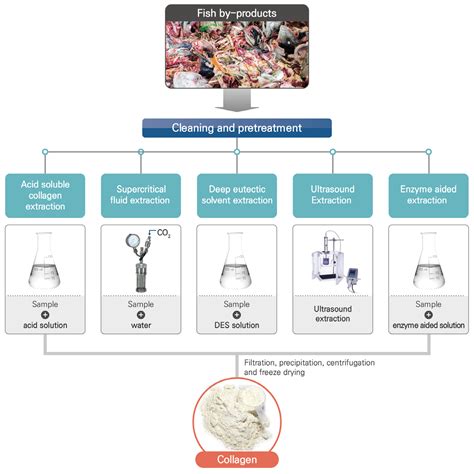
Collagen manufacturing primarily utilizes by-products from animals processed for food and other industries. Bovine collagen, derived from cow hides, is a significant source, yielding types I and III collagen after undergoing hydrolysis. Similarly, marine collagen is extracted from fish scales and skin, offering its own unique benefits.
Raw Material Selection and Extraction
The process commences with the careful selection of raw materials. Various extraction methods are employed depending on the collagen source. Enzymatic hydrolysis is a key technique that breaks down collagen into smaller, more digestible peptides. This is crucial for producing hydrolyzed collagen, which is more readily absorbed by the body. Other methods, such as acidic or alkaline extraction, may be used to efficiently separate collagen from its source material, optimizing both yield and quality.
The Significance of Hydrolysis
Hydrolysis is paramount in collagen manufacturing as it not only enhances digestibility but also boosts bioavailability, thereby increasing the efficacy of collagen supplements. This process effectively transforms large collagen molecules into smaller peptides, facilitating easier absorption and utilization by the body.
Purification and Quality Control
Following extraction, collagen undergoes rigorous purification techniques to eliminate impurities and ensure the final product meets stringent quality standards. This multi-stage process guarantees the safety and efficacy of the collagen for its intended applications.
Types of Collagen Used in Manufacturing
Several types of collagen are utilized in manufacturing, each with distinct properties and applications. The most common are types I, II, and III.
Type I and III Collagen (Bovine)
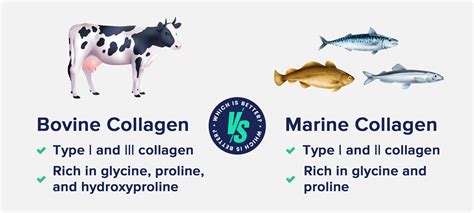
Type I and III collagen are predominantly derived from bovine sources, specifically cow hides. Type I is the most abundant collagen in the human body, vital for skin, bone, tendon, and ligament health. Type III, often found alongside type I, contributes to the structure and elasticity of organs and skin. These bovine-derived collagens are highly valued in the cosmetic and nutraceutical industries for their efficacy in improving skin elasticity and hydration.
Marine Collagen
Marine collagen, sourced from fish scales and skin, is primarily composed of type I collagen. It is recognized for its superior bioavailability due to its smaller peptide size, allowing for quicker and more effective absorption. Its benefits for skin elasticity and hydration make it a popular choice in beauty and anti-aging products.
Type II Collagen
Type II collagen is mainly sourced from chicken sternum cartilage and is crucial for joint health. It is essential for maintaining the structure and function of cartilage, making it a key ingredient in supplements aimed at alleviating joint pain and supporting cartilage regeneration.
Collagen Manufacturing for Cosmetics and Nutraceuticals
Hydrolyzed collagen is a cornerstone ingredient in both the cosmetics and nutraceutical industries due to its significant benefits for skin elasticity and hydration. The hydrolysis process breaks down collagen into smaller peptides, enhancing absorption and allowing for more effective delivery of nutrients to the skin.
Collagen Powder in Beauty Products
Collagen powder is a key component in a wide range of beauty products, including creams, serums, and face masks. These formulations leverage hydrolyzed collagen's ability to penetrate the skin, supporting the natural collagen matrix and contributing to youthful, resilient skin. Its inclusion enhances product effectiveness, leading to noticeable improvements in skin texture and appearance.
Consumer Demand Drivers
The growing consumer awareness of collagen's benefits for skin and overall health significantly drives market demand. As individuals increasingly seek products offering tangible anti-aging and health advantages, the market for collagen-infused cosmetics and nutraceuticals continues to expand. Products like collagen supplements, beauty drinks, and topical applications provide convenient ways to integrate collagen into daily routines, aligning with consumer preferences for multifunctional and scientifically-backed solutions.
5 Surprising Facts About Collagen Supplements You Must Know!
Quality Assurance and Regulatory Standards
Maintaining high standards of quality assurance and adhering to regulatory protocols are imperative in collagen manufacturing.
Key Components of Quality Assurance
Quality assurance in collagen manufacturing involves stringent protocols to ensure the safety, efficacy, and consistency of products. This includes detailed testing and monitoring at every production stage, from raw material selection to final packaging, to minimize contamination risks and ensure consumer safety.
Critical Role of Regulatory Standards
Regulatory standards provide a framework for manufacturers to ensure their collagen products are safe and effective. Compliance with guidelines on manufacturing practices, labeling, and storage, set by health authorities, is essential to avoid legal issues and maintain market credibility.
Product Certification
Product certification verifies that collagen products meet specific regulatory and quality criteria through rigorous testing by independent bodies. This assures consumers of the product's safety and efficacy, fostering trust.
Trends in the Collagen Market
The collagen market is evolving with a notable shift towards sustainability and innovation.
Sustainability in Sourcing
There is a growing consumer demand for sustainably sourced collagen products, driven by increased environmental awareness. Manufacturers are adopting eco-friendly practices and exploring alternative sources to minimize ecological impact. This includes sourcing from renewable and ethically managed resources, and exploring marine and plant-based alternatives.
Alternatives to Traditional Sources
The development of plant-based collagen alternatives is gaining momentum. Derived from ingredients like algae and genetically modified yeasts, these alternatives mimic collagen's properties and appeal to environmentally conscious consumers, including those following vegan and vegetarian diets.

Challenges in Collagen Manufacturing
The collagen manufacturing industry faces several challenges, including supply chain management, raw material sourcing, and meeting escalating consumer demand.
Supply Chain Management and Raw Material Sourcing
Managing the complex supply chain for diverse raw materials and ensuring a steady supply of high-quality inputs can be challenging due to regulatory landscapes and market fluctuations. Developing reliable supplier networks and optimizing logistics are crucial for mitigating these risks.
Meeting Consumer Demand
The increasing consumer demand for collagen products necessitates scaling up production rapidly. This requires innovative manufacturing techniques and investment in technology to enhance efficiency without compromising quality. Manufacturers must balance increased production with stringent quality control to meet market needs effectively.