The Cocokind Turmeric Spot Treatment is formulated to visibly brighten the complexion. This treatment incorporates a range of beneficial ingredients, each contributing unique properties to skincare.
Key Ingredients and Their Benefits
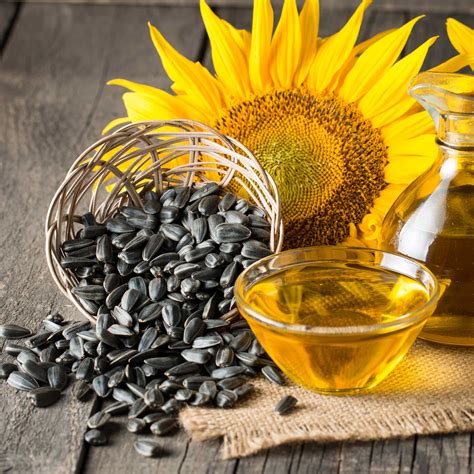
Sunflower Seed Oil
Sunflower oil is a well-known ingredient with a long history of use, dating back over 5000 years to American Indians in Arizona and New Mexico. Expressed directly from the seeds, this oil is a powerful emollient, making the skin feel smooth and hydrated. It also plays a crucial role in protecting the skin's surface and strengthening a compromised or irritated skin barrier. Sunflower oil is rich in fatty acids, primarily linoleic (50-74%) and oleic (14-35%). The unrefined version is particularly high in linoleic acid, making it beneficial even for acne-prone skin.
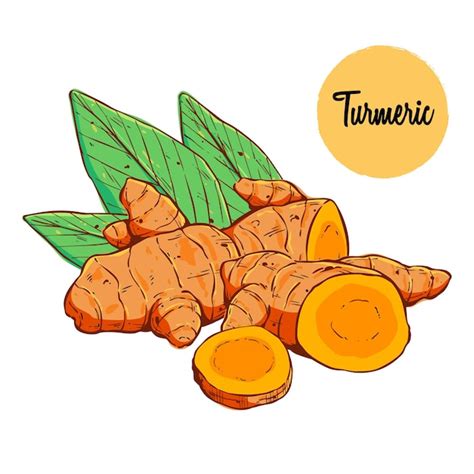
Turmeric Root Extract
Turmeric, a vibrant yellow spice commonly found in curry and Indian cuisine, is also a staple in traditional Ayurvedic medicine. It is recognized for its array of beneficial properties, including being anti-inflammatory, antimicrobial, antioxidant, and anticarcinogenic. In skincare, turmeric root extract and its primary active component, curcumin, offer multiple advantages. Studies indicate that turmeric extract can be beneficial for acne-prone skin due to its anti-inflammatory and antimicrobial activity. A small study from 2013 suggested it might help regulate sebum production. Furthermore, its potent antioxidant and skin-brightening effects make it a popular ingredient in anti-aging and radiance-boosting products.
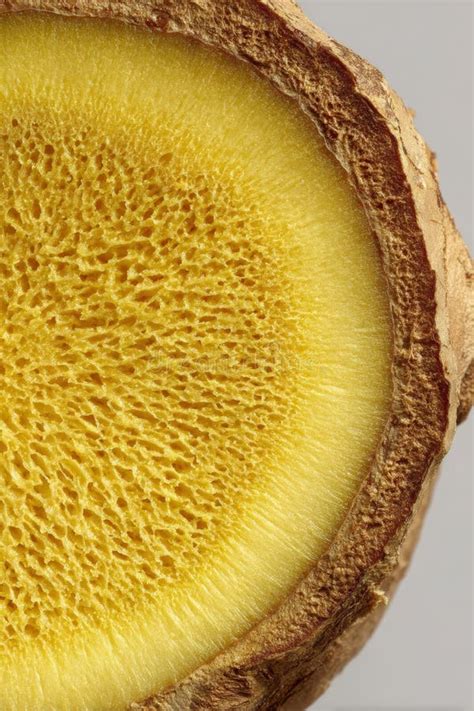
Ginger Root Extract
Ginger, a familiar spice in kitchens worldwide, is also a medicinal plant utilized in both Chinese and Ayurvedic traditions for a wide range of ailments. In skincare, ginger root extract contains gingerol, a biologically active component known for its potent antioxidant and anti-inflammatory properties. When combined with Bisabolol, gingerol works synergistically to soothe the skin and reduce redness. Additionally, ginger provides moisturizing polysaccharides, amino acids, and sugars, and is recognized for its ability to improve blood circulation and offer a toning effect. It also contains volatile essential oil compounds, though typically in smaller amounts in extracts compared to ginger oil.
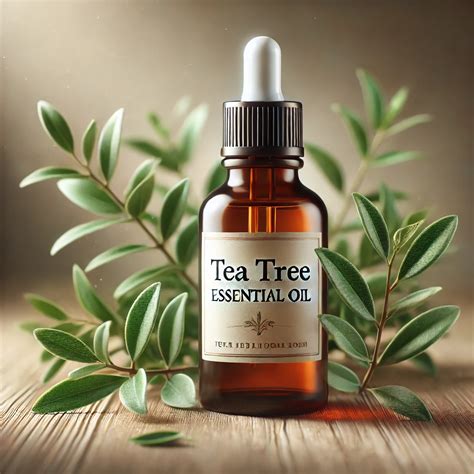
Tea Tree Oil
Tea tree oil is a widely recognized essential oil originating from Australia, where it has been used for nearly a century for its antiseptic and anti-inflammatory qualities. Comprising approximately 100 components, the main ones include terpinen-4-ol (40%), γ-Terpinene (23%), and α-Terpinene (10%). Its most notable skincare application is as an anti-acne ingredient. Numerous studies confirm its efficacy against P. acnes, the bacteria responsible for acne, with a 5% tea tree oil gel showing comparable results to 5% Benzoyl Peroxide lotion. While effective, caution is advised when using tea tree oil, especially on sensitive skin, and it should never be applied undiluted. Despite general reservations about essential oils, tea tree oil's unique antibacterial and anti-acne properties, coupled with minimal allergen content, make it an exception.
Bisabolol
Bisabolol is the primary active component of chamomile and is known for its anti-inflammatory, anti-irritant, and soothing properties. It works synergistically with other ingredients, such as gingerol, to calm the skin and reduce redness.
Candelilla Wax
This is a natural, vegan wax derived from the leaves of the Candelilla shrub. In skincare, it functions as an emollient, helping to soften and smooth the skin. It also acts as a thickening agent, contributing to the texture and stability of cosmetic formulations, and is commonly found in lip balms and lipsticks.
Water (Aqua)
Water, or H2O, is the most common ingredient in cosmetic products, serving as the primary solvent. In cosmetics, it is purified and deionized, meaning most mineral ions are removed to ensure purity and stability.
Cetyl Alcohol, Glyceryl Stearate, Stearic Acid, Cetearyl Alcohol, Glycerin
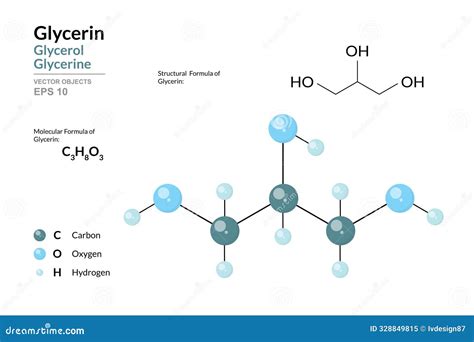
These ingredients are commonly used in skincare formulations for their emollient, emulsifying, and thickening properties. Cetyl alcohol and cetearyl alcohol are fatty alcohols that act as emollients, providing a smooth feel to the skin without irritation. Glyceryl Stearate and Stearic Acid are emulsifiers and emollients that help to stabilize oil-in-water mixtures and condition the skin. Glycerin is a humectant that draws moisture to the skin.
Xanthan Gum
Xanthan gum is a popular thickening agent and emulsion stabilizer derived from the fermentation of sugars. It helps to improve the texture and consistency of products, making them more gel-like. It is a natural ingredient, often used in combination with other rheology modifiers to achieve the desired product feel.
Witch Hazel Extract
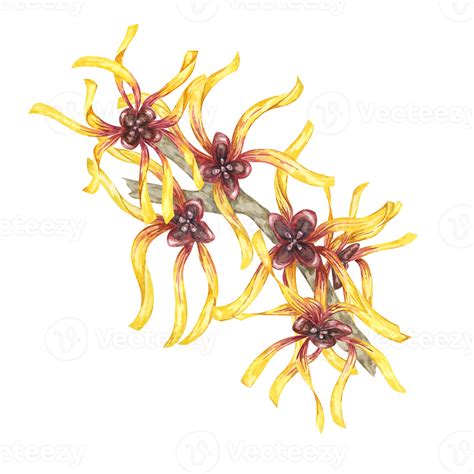
Witch hazel is a North American tree whose extract is valued for its astringent, anti-inflammatory, antioxidant, and antibacterial properties. It can help tighten blood vessels and promote skin healing by forming a protective covering. The effectiveness and composition of witch hazel extract can vary depending on the plant part used (bark, twigs, leaves) and the extraction method. Key active components include hamamelitannin, catechins, and gallic acid. It's important to note that some witch hazel distillates contain alcohol, which can be drying; alcohol-free versions are available and often preferred.
Radish Root Ferment Filtrate
This ingredient is a natural preservative derived from fermented radishes. It is considered an alternative to traditional synthetic preservatives and is produced using lactic acid bacteria.