Body lotions play a crucial role in maintaining skin hydration by locking in moisture, which helps the skin stay hydrated in various environmental conditions. Cetaphil lotions and moisturizers are formulated with a diverse range of ingredients designed to support unique skin needs, including those for dry, oily, and combination skin types.
Understanding Key Moisturizing Ingredients
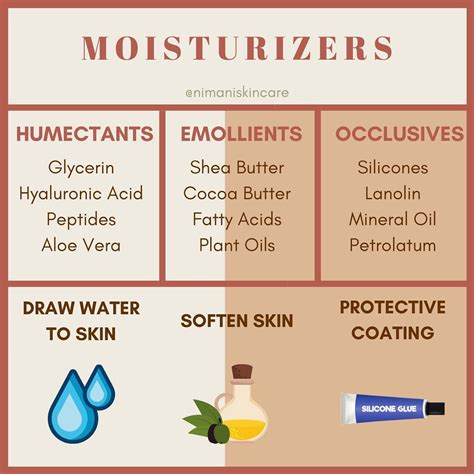
The effectiveness of moisturizing lotions lies in their carefully selected ingredients, each contributing to skin hydration and barrier support. These ingredients work through different mechanisms, such as attracting water, sealing it in, and protecting the skin from external damage.
Humectants: Drawing in Moisture
- Glycerin: A potent humectant derived from natural fats, glycerin draws moisture into the epidermis (the outermost layer of the skin).
- Panthenol: Also known as Pro-Vitamin B5, panthenol is an excellent moisturizer that prevents water loss from the epidermis. Studies indicate that panthenol-containing products can help improve the skin barrier and prevent water loss. It is also recognized for its anti-inflammatory and skin-protecting abilities.
- Hyaluronic Acid: Naturally found in the skin, hyaluronic acid binds to water, enabling the skin to retain moisture. It acts as a lubricant and provides a cushioning effect. As levels can decrease with age and environmental stressors, lotions with hyaluronic acid can help the skin recover from these losses.
- Sodium Hyaluronate: The salt form of hyaluronic acid, it is a humectant that helps the skin attract and retain water.
- Urea: Naturally present in the skin, urea provides a keratolytic effect, encouraging the shedding of dead skin cells to soften the outer layer of the skin.
- PCA (Pyrrolidone Carboxylic Acid): The sodium salt form of PCA is a skin-identical ingredient and a natural moisturizer that helps the skin retain water and stay hydrated.
Emollients: Smoothing and Softening the Skin
- Shea Butter: Used for centuries in skincare, shea butter has a light consistency that soothes the skin. It is rich in fatty acids like oleic, stearic, and linoleic acid, making it an effective moisturizer that smooths and conditions the skin. The balance of oleic and linoleic acid prevents an oily feel after application. Shea butter lotion is quickly absorbed and helps restore the skin's fats while moisturizing rapidly. It also regenerates and soothes the skin, protecting it from external factors and providing antioxidants.
- Avocado Oil: Packed with vitamins A, D, and E, as well as omega-3 fatty acids, avocado oil provides essential nutrients that are easily absorbed into the epidermis, supporting skin smoothness, strength, and elasticity.
- Sunflower Seed Oil (Helianthus Annuus): This oil is rich in linoleic acid, which helps replenish, strengthen, and soothe the skin. It aids in the absorption of other ingredients and has non-comedogenic properties, meaning it does not clog pores. Sunflower oil acts as an emollient, making the skin smooth and hydrated, protecting its surface, and enhancing the damaged or irritated skin barrier.
- Sweet Almond Oil (Prunus Amygdalus Dulcis): An exceptionally hydrating ingredient, sweet almond oil is loaded with skin-nourishing fatty acids like linoleic and oleic acid. It is classified as an occlusive, promoting healthier-looking skin.
- Caprylic/Capric Triglyceride: A super common emollient derived from coconut oil and glycerin, it is light-textured, clear, odorless, and non-greasy, feeling good on the skin and being well-tolerated by most skin types.
- Cetearyl Alcohol: A fatty alcohol that makes the skin feel smooth and nice, it also helps to thicken products and blend water and oil.
- Stearyl Alcohol: Another fatty alcohol that contributes to the emollient properties of skincare products.
Occlusives: Sealing in Moisture
- Dimethicone: A silicone-based ingredient that creates a physical barrier on the skin to lock in hydration without clogging pores. It is particularly beneficial for cracked skin, such as on heels.
- Dimethiconol: A type of silicone that helps moisturizers spread easily and form a protective coating while allowing the skin to breathe.
Barrier Support and Repair Ingredients
- Ceramides: Naturally found in the epidermis, ceramides make up a significant portion of the skin cells. They are crucial for supporting the skin barrier, which protects the body from environmental stresses and pollutants. Supplementing the skin with ceramides can help combat dryness and a dull complexion caused by their depletion over time. One specific type mentioned is Hydroxypalmitoyl Sphinganine, which clinical studies have shown can improve skin hydration and increase ceramide content in individuals with atopic dermatitis.
- Niacinamide: A form of Vitamin B3, niacinamide helps maintain the skin barrier's function and balances oil production. It can also minimize redness and blotchiness, and over time, reduce the appearance of pores, improving skin tone and texture.
Antioxidants and Protective Ingredients
- Tocopherol: A form of vitamin E, tocopherol provides antioxidant effects to protect the skin from environmental damage. It also acts as both an emollient and a humectant, hydrating the outer skin layer and providing a moisturizing film.
- Vitamin A (Retinol): Helps reduce signs of aging like wrinkles and pigmentation.
- Vitamin C: A potent antioxidant that protects skin against pollutants and harsh weather, hydrates, brightens, evens skin tone, and increases collagen production.
- Vitamin E: Protects the skin against pollution and environmental stresses.
- Organic Calendula: Used to relieve dry, itchy, or irritated skin conditions.
- Avena Sativa (Oat) Kernel Extract: The finely ground version of whole oat kernels has well-established skin-soothing, skin-protecting, and antioxidant abilities.
Other Beneficial Ingredients
- Water (H2O): The most common skincare ingredient, purified and deionized water serves as the base solvent in cosmetic products.
- Arginine: A semi-essential amino acid that is a building block of skin collagen. It acts as a natural moisturizing factor, a skin hydrator, and can help speed up wound healing. Its positive charge makes it substantive to skin and hair.
- Glyceryl Stearate Citrate / Glyceryl Stearate: Safe and effective emulsifiers used in cosmetic formulations.
- Caprylyl Glycol / Phenoxyethanol: A blend that acts as a preservative and improves the product's feel on the skin.
- Ceteth-20: A functional ingredient that helps keep oil-loving and water-loving ingredients together, stabilizing and thickening products.
- Citric Acid: An AHA derived from citrus fruits, though with less pronounced skin-improving properties compared to glycolic or lactic acid.
- Allantoin: A super common soothing ingredient that is also skin-softening, protecting, and can promote wound healing.
- Starch: A helper ingredient from corn, rice, or potato starch that can help keep skin matte, stabilize emulsions, and bind products together.
Specific Cetaphil Products and Their Benefits
Cetaphil offers specialized products for various skin concerns. For instance, the Intensive Healing Lotion with Ceramides is recommended for rough, dry, and flaky skin, providing intense hydration and a soothing effect. Cetaphil's Restoring Lotion is highlighted for its niacinamide content, contributing to skin barrier function and balanced oil production.
The formulation of Cetaphil products often emphasizes gentleness and effectiveness. For example, the Cetaphil Pro Eczema Prone Skin Restoring Body Wash is noted for being emollient-rich and free from soap, lanolin, parabens, and fragrance, making it suitable for eczema-prone skin.
Moisturizing the skin for Atopic Dermatitis
tags: #cetaphil #eczema #moisturizing #lotion