The Ordinary skincare has rapidly gained popularity for its accessible approach to cosmeceutical science. However, the extensive range of products, each often featuring a single active ingredient, can be daunting for newcomers. This guide aims to demystify The Ordinary skincare, providing a clear roadmap for creating an effective routine by understanding product compatibility and layering techniques.
Understanding the Basics of Skincare Layering
A common misconception is that skincare routines must exclusively use products from the same brand or range. In reality, a more effective approach involves understanding how different ingredients interact. Just as a stir-fry can accommodate a variety of ingredients, a skincare routine can benefit from a thoughtful combination of products.
AM vs. PM Routines: A Key Distinction
While many products can be used in both morning (AM) and evening (PM) routines, some are best reserved for nighttime use. Skincare that is light-sensitive should generally be used in the PM. Conversely, products suitable for AM use can typically be incorporated into a PM routine as well. This principle is often likened to the "little black dress" of the skincare world - versatile and essential.
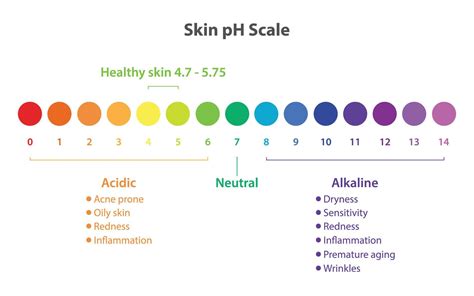
The Importance of pH Levels
pH is a scientific measure of acidity or alkalinity, existing only in the presence of water. Skincare ingredients have optimal pH levels at which they remain active and stable. Some ingredients, like glycolic acid, require a low pH to be effective, while others need a higher pH. Using products with significantly different pH levels together can destabilize them, rendering them less effective or potentially causing irritation.
For example, combining an exfoliating acid like The Ordinary AHA 30% + BHA 2% Peeling Solution with Glycolic Acid 7% Toning Solution in the same routine might be too harsh for the skin, as both are acidic and intended for exfoliation. It is best to separate such products, perhaps using one in the AM and the other in the PM, or on alternate days.
Water-Based vs. Anhydrous Formulations
The Ordinary offers a range of water-free formulas, often suspended in oils or hydrating solvents like propanediol. These can feel slightly greasy initially but absorb within seconds. Understanding whether a product is water-based or anhydrous is crucial for proper layering.
How to Layer The Ordinary Products
The general rule for layering The Ordinary products is to apply them from the thinnest/clearest to the thickest/most opaque. This ensures that lighter, water-based formulas can penetrate the skin effectively before thicker creams or oils are applied.
General Layering Order:
- Cleansing: Always start with cleansed skin.
- Water-Based Products: Apply serums and toners that are water-based directly after cleansing. If using multiple water-based products, apply the thinnest one first or the one that targets your most pressing skin concern.
- Acids and Essences: If using exfoliating acids, milky toners, or essences, apply these before other water-based serums.
- Oils: Oils should generally be applied after water-based solutions but before creams or emulsions. Some prefer to use oils as the very last step. Deciem often recommends oils before heavy creams like Natural Moisturising Factors.
- Creams and Emulsions: Apply thicker creams and emulsions after serums and oils.
- SPF (Sun Protection Factor): Always apply sunscreen as the final step in your morning routine.
It's important to note that you do not need to use every single layer. A simple routine might consist of cleansing, a water-based serum, a cream, and SPF.
Serum Application:
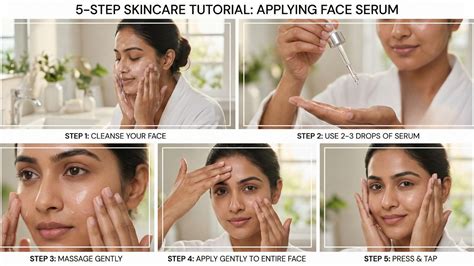
Apply 2 or 3 drops of serum to cleansed skin by patting or massaging it in. Avoid touching the dropper directly to your skin to prevent contamination. While some may feel the need for more product, 2-3 drops are typically sufficient for the entire face.
Product Conflicts and What to Avoid
Understanding product conflicts is vital to prevent irritation, reduced efficacy, or other adverse reactions. Conflicts typically arise for two main reasons: ingredients that cancel each other out or ingredients that cause irritation when combined.
Key Conflicts to Be Aware Of:
- Direct Vitamin C (L-Ascorbic Acid, Ethylated L-Ascorbic Acid) and Niacinamide: These can form a salt complex, potentially compromising the integrity of both compounds. While some sources suggest they can be used in the same regimen at different times, The Ordinary has advised against combining them directly.
- Direct Acids and Peptides: Peptides can be susceptible to hydrolysis and deamination/oxidation at low pH levels common in direct acid formulations, which can reduce their efficacy. While some individuals may tolerate this combination without issue, it's generally recommended to use them at different times (e.g., acids in the PM, peptides in the AM).
- The Ordinary AHA 30% + BHA 2% Peeling Solution and Other Direct Acids: This masque is potent and should not be combined with other direct acids in the same regimen to avoid increased skin sensitivity.
- Buffet + Copper Peptides: This product has numerous conflicts. It should not be combined with direct acids, pure Vitamin C, EUK-134, Resveratrol + Ferulic, Pycnogenol, Granactive Retinoid, or Retinol. It can be used with Vitamin C derivatives, Niacinamide, hydrators, and oils.
- EUK 134: This antioxidant cannot be used with direct acids, pure Vitamin C, Ethylated Ascorbic Acid, Copper Peptides, or Resveratrol. It can be used with hydrating products, other peptides (except Buffet + Copper), Vitamin C derivatives, and retinoids. If using EUK-134 and acids, use them at different times of the day.
When products conflict, you can often use one in your morning routine and the other in your evening routine, or alternate their use on different days.
The Ordinary | ULTIMATE GUIDE TO MIXING & LAYERING SKINCARE
Choosing the Right Products and Building a Regimen
The Ordinary's approach of one active per product means users need to become "skincare detectives" to build a regimen that addresses their specific concerns. It is advisable to start slowly, introducing one new product at a time to monitor your skin's reaction.
Addressing Multiple Skin Concerns:
Many The Ordinary products offer multiple benefits. For instance, Azelaiic Acid targets acne and brightens the skin, while Retinol and Retinoids can address aging, pigmentation, and blemishes. When creating a regimen, prioritize your primary concerns.
Sensitive or Reactive Skin:
If you have sensitive or reactive skin, proceed with caution. Start with gentler regimens and gradually introduce actives, always patch-testing new products first.
Specific Skin Concerns:
- Melasma/Pigmentation: This is challenging to treat and requires patience. A routine might include Alpha Arbutin, Ascorbyl Tetraisopalmitate 20% (in the AM under sunscreen), and Azelaiic Acid 10% alternated with a Retinoid in the PM. Consistent broad-spectrum sunscreen use is paramount.
- Rosacea: A recommended PM routine includes NIOD SDSM mist, The Ordinary Azelaic Acid, and Granactive Retinoid 2%. Vitamin C products can also help strengthen blood vessels and reduce redness.
Understanding Product Application and Reactions
How Much Product to Use:
Follow the specific product directions. For potent actives like retinoids or direct acids, consider starting with 2-3 applications per week and gradually increasing frequency as tolerated. For serums, 2-3 drops are usually sufficient for the entire face.
Pilling or Balling:
This phenomenon, where product forms small balls on the skin's surface, often occurs with products containing Hyaluronic Acid or silicones. To minimize pilling, use fewer products (maximum of three serums), use less of each product, and allow adequate absorption time between layers. Using a facial mist between layers can also help.
Purging vs. Irritation:
Purging is a temporary worsening of acne that occurs when introducing acids or retinoids, typically lasting 4-8 weeks and happening in areas where acne normally appears. Irritation, on the other hand, can manifest as tightness, dryness, redness, or increased acne in areas where you don't normally break out. If you experience irritation, scale back actives, focus on barrier repair with gentle products, and reintroduce actives slowly.
Long-Term Use:
There is no evidence to suggest that long-term use of The Ordinary's acids will cause skin damage or thinning. However, it's crucial to listen to your skin and avoid over-exfoliation or over-application of potent ingredients.