Mastering the art of cheek filler placement is a fundamental skill for any novice aesthetic practitioner aiming for optimal mid-face results. While injection techniques are frequently discussed, the crucial pre-injection stage of mapping out the treatment area is paramount for achieving successful outcomes. This guide, drawing insights from experienced practitioners, delves into the key considerations, anatomical landmarks, and precise injection points for effective cheek augmentation.
Key Considerations for Cheek Filler Patient Assessment
Before any injection, a thorough patient assessment is vital. Several factors influence treatment planning:
Age
As we age, the mid-face undergoes significant changes. Dr Jess Chohan explains, "Ageing begins in the mid-face with loss of bony support and atrophy of most fat pads, albeit we experience hypertrophy of the jowl and nasolabial fat. Furthermore, we also know that from our late 20s we get a decline in collagen production and skin experiences a loss of elasticity." Consequently, practitioners must assess all layers of the skin when addressing volume loss or enhancing the cheeks. Generally, cheeks require treatment in multiple areas, such as the zygoma, preauricular region, deep medial cheek, and medial SOOF, to effectively replace volume and provide support.
Gender
"Females tend to have higher, more contoured cheekbones and fuller deep medial cheeks than males," notes Dr Jess. "We tend to see flatter mid-faces on males and it’s important not to over-feminise or over-volumise these patients." When treating gender-neutral or non-binary patients, it is essential to confirm their aesthetic goals through a comprehensive, in-person consultation to develop a mutually agreeable treatment plan.
Ethnicity
Facial aesthetics vary significantly across ethnicities, necessitating an individualised approach. Dr Jess points out, "For example, East Asian patients have a naturally flatter deep medial cheek, often combined with full, sculpted cheekbones. Therefore, it would be inappropriate to assume or create volume in the deep medial cheek in the same way you might for Caucasian patients." Understanding and respecting these proportional differences marks an aesthetic specialist. It is beneficial for practitioners to gain experience treating a diverse range of patients under mentorship to build confidence and refine techniques.
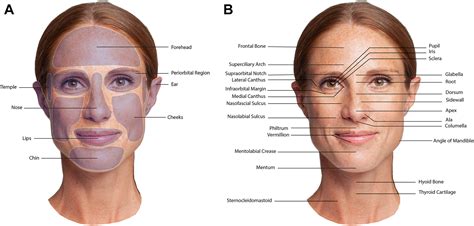
Understanding Cheek Anatomy for Filler Placement
Achieving natural, long-lasting results with cheek fillers requires a deep understanding of facial anatomy. The cheeks are composed of multiple layers, including bone, muscles, fat pads, and skin, all of which contribute to facial appearance and aging.
- Zygomatic Arch: The bony ridge forming the outer cheekbone. Filler here enhances facial lift and defines cheekbones for a sculpted appearance without widening the face.
- Malar Area (Malar Eminence): The highest point of the cheek, located below the eye. This area provides facial shape and softness, and filler here can restore age-related volume loss.
- Deep Fat Pads: Located beneath the muscles, these fat pads support the midface and contribute to the natural curve of the cheeks. Filling this area adds structure and combats sagging.
- Superficial Fat Pads: Situated just under the skin, these fat pads contribute to the softness of the cheeks. Filler here can smooth irregularities and create a seamless transition with the rest of the face.
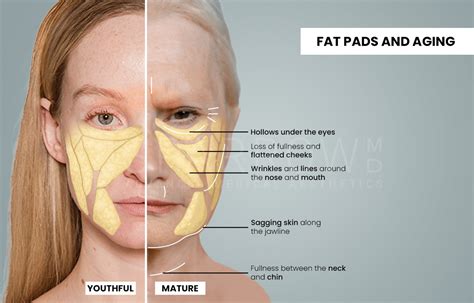
Key Cheek Filler Injection Points and Their Significance
Expert injectors utilize established anatomical landmarks for safe and effective filler placement. These points are chosen based on the interaction of facial fat, bone, and skin, particularly in the context of aging. Recent studies highlight that targeted, multi-point injection techniques yield more natural and durable results compared to single-point volume filling.
1. Zygomatic Arch
Goal: Lateral lift and sculpted cheekbones.
Why it matters: Targeting this bony ridge defines the cheek's outline, creating a lifted, V-shaped contour, especially beneficial for flatter facial structures or lateral volume loss.
Recommended product: Firm, high G' fillers like Juvederm Voluma or Restylane Lyft are suitable for strong support and shape.
2. Malar Eminence
Goal: Midface volume and youthful projection.
Why it matters: This central high point of the cheek is often the first to lose fat with age. Injecting here restores the midface's natural curve and softens under-eye hollowness.
Technique Insight: Deep bolus injections directly on the bone are recommended, avoiding superficial fat to prevent puffiness.
3. Submalar Region
Goal: Soft blending into nasolabial folds.
Why it matters: Located below the malar eminence and above the smile lines, this area smooths the transition from the cheek to the midface and supports the lower cheek, gently lifting the nasolabial fold.
Warning for Injectors: Avoid overfilling to prevent a wider, heavier-looking face. Use flexible fillers and a gradual layering technique.
4. Deep Medial Cheek Fat Pad
Goal: Restoring structural volume and under-eye support.
Why it matters: This deep fat compartment shrinks with age, causing cheek flattening and sagging. Restoring volume here re-establishes cheek fullness and supports the tear trough area for a rested appearance.
Recommended product: Soft, moldable fillers with high tissue integration, such as Teosyal RHA 4, are ideal for natural blending.
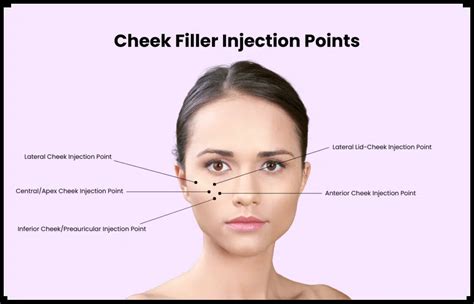
The Power of Multi-Point Injection vs. Overfilling
Contrary to the belief that a single large injection can achieve a full-face lift, overfilling one spot can lead to a flattened appearance, migration, lumps, and an unnatural "pillow face." Multi-point cheek filler techniques, conversely, create balanced lift, address both structural and superficial volume, and allow for better shaping and natural movement. Studies indicate that using 3-5 precise points results in significantly better symmetry and longevity compared to single-point techniques.
Product Selection: Firm vs. Flexible Fillers
The choice of filler is critical and depends on the target area and desired outcome. For trained medical aestheticians, combining different filler types for a multi-depth, layered treatment can yield optimal results. Firm fillers provide strong support and lift, ideal for areas like the zygomatic arch, while flexible fillers are better for blending and smoothing, such as in the submalar region.
Injector Tips: Doing It Safely and Symmetrically
Safety and symmetry are paramount in all injection techniques:
- Balance and Symmetry: Always assess the face from multiple angles. Clearly mark points and use equal volumes on both sides, unless correcting asymmetry.
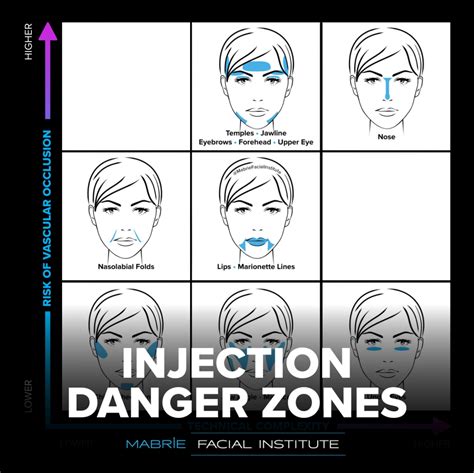
- Avoid Vascular Compromise: Steer clear of danger zones like the infraorbital foramen. Employ aspiration techniques, slow injections, and consider using a cannula for superficial layers.
- Minimise Swelling and Bruising: Cold compresses before and after treatment, arnica gel, and avoiding strenuous activity can help reduce downtime.
What Patients Should Expect
For patients new to cheek fillers, the process typically involves:
- The Technique: Treatments last 15-30 minutes and may involve needles or blunt-tip cannulas. Injection points are marked and the area is cleaned prior to treatment.
- Comfort Level: Numbing cream or lidocaine-based fillers help manage discomfort. Mild pressure or stinging is normal.
- Results: Immediate volume is noticeable, though some swelling may be present. Full results typically settle within 1-2 weeks, with effects lasting 12-18 months depending on the product.
Full Face Dermal Fillers Treatment Demonstration by Dr Tristan Mehta
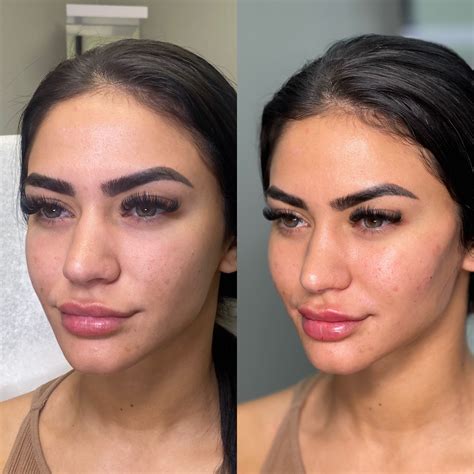
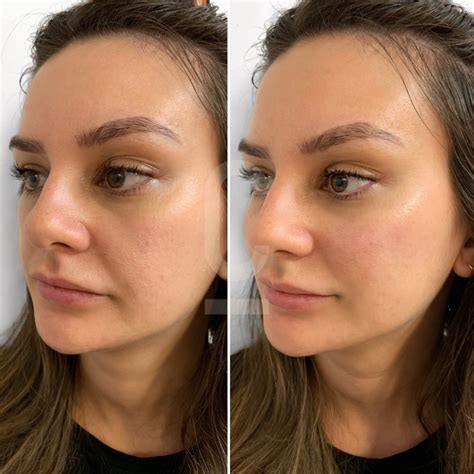
Before and After: Real Results with Strategic Cheek Filler
The amount of filler needed varies based on individual facial structure and goals. Some patients achieve natural enhancement with as little as 1 ml per cheek, while others may benefit from 3-4 ml distributed across multiple key points for comprehensive rejuvenation.
FAQs
- Where do you inject fillers for cheeks?
Filler is commonly injected into areas like the zygomatic arch, malar eminence, submalar region, and deep medial fat pads to lift, shape, and contour the cheeks. - How many injection points for cheek filler?
Most treatments use 2-5 injection points per cheek, depending on the patient’s facial structure and desired outcome. - Where is the entry point for cheek fillers?
Entry points vary based on technique. For needle use, it's often directly over the target area. For cannulas, lateral or mid-cheek points are preferred for safety and smoother access. - How do you landmark for cheek fillers?
Landmarking involves marking anatomical zones like the zygomatic arch and malar apex to ensure even filler distribution and avoid high-risk vascular areas. - What is the average cost of cheek fillers?
Cheek filler cost typically ranges from $600 to $1,200 per syringe, depending on the product used and the clinic's location.