It’s a common misconception that people with oily skin don’t need to moisturize. Oily skin produces an excess of sebum, which can give it a greasy appearance. However, this doesn't mean it doesn't require additional moisture. Dermatologists generally advise patients with oily skin to apply moisturizer twice daily, in the morning and at night, to their face and neck.
For all-day shine control, it's recommended to look for moisturizers specifically designed to help absorb excess oil. While some with oily skin worry that moisturizer might contribute to acne breakouts due to clogged pores, applying moisturizer should not exacerbate oil production, which is primarily influenced by genetics, stress, and hormonal fluctuations. The key is understanding the formulation and ingredients to avoid pore-clogging components.
Everyone's skin is unique, and oiliness can fluctuate based on lifestyle, age, personal preferences, and even the season. Therefore, the ideal moisturizer can vary. However, there are general recommendations to keep in mind when choosing a good moisturizer for oily skin.
Understanding Moisturizer Textures and Formulations
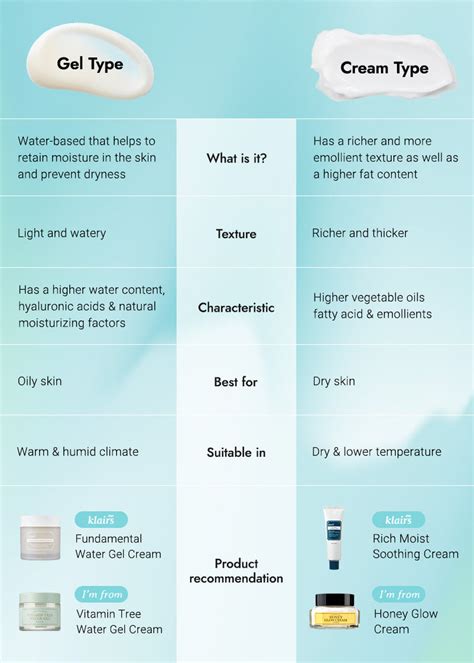
Facial moisturizers come in various forms, including gels, lotions, and creams, to suit different texture preferences and skin types. Many individuals with oily skin find that rich, heavy moisturizers leave their skin feeling oilier and often avoid thick creams and ointments due to the sensation on their skin.
Therefore, opting for gels, serums, or lightweight lotions is usually recommended for oily skin. Gel moisturizers, in particular, are often the most lightweight option, making them an excellent choice for those with oily skin.
Key Considerations When Choosing a Moisturizer for Oily Skin
Formulation Suitability
When choosing a moisturizer for oily skin, ensuring the formula is suitable for your skin type is paramount. Product packaging typically indicates the intended skin types.
Sun Protection
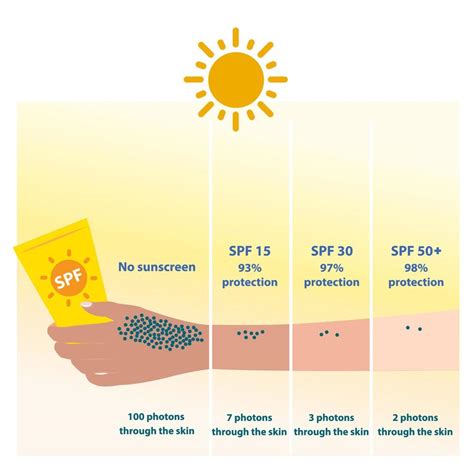
All skin types, including oily skin, require daily sun protection. Applying a broad-spectrum sunscreen with an SPF of 30 or higher every day, or a facial moisturizer with sunscreen, is recommended. Reapplication at least every two hours is advised.
Beneficial Ingredients
One of the best ways to manage oily skin involves ingredients that moisturize and help absorb excess oil. Formulas with ingredients like niacinamide, hyaluronic acid, and ceramides can support balanced, hydrated skin without clogging pores. Ceramides are particularly important as a key component of the skin's protective barrier.
It can also be helpful to look for moisturizers containing oil-absorbing ingredients such as perlite, silica, and starches from corn or rice. These ingredients can provide a mattifying effect and help absorb excess oil, leading to a more balanced complexion.
Recommended Moisturizers for Oily Skin
CeraVe Oil Control Moisturizing Gel-Cream
This product is an excellent recommendation for effectively addressing oily skin concerns. It offers all-day hydration and is specifically designed to rebalance oily skin, preventing it from feeling too oily or too dry. The formula combines the lightweight, non-greasy feel and smooth absorption of a gel moisturizer with the hydrating properties of a cream. It absorbs quickly, feels refreshing, and contains key ingredients like ceramides, hyaluronic acid, and niacinamide. Additionally, its oil-absorbing technology (with silica and other powders) helps minimize shine and visibly reduce the appearance of pores over time. For optimal shine control and moisture, apply this moisturizer in the morning before starting your day. It can also serve as an effective makeup primer.
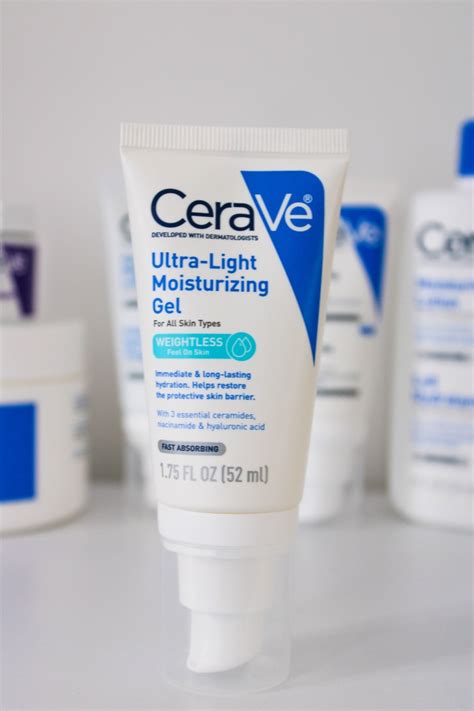
CeraVe Ultra-Light Moisturizing Gel
This is a fast-absorbing, water-based gel moisturizer with a weightless feel. Its non-comedogenic formula makes it ideal for all skin types, especially oily skin. It delivers continuous, all-day hydration without clogging pores or leaving the skin feeling greasy or sticky.
CeraVe Ultra-Light Moisturizing Lotion With Sunscreen
This product is a great choice for a daytime moisturizer for oily skin that includes sunscreen. Ideal for normal to oily skin, this non-comedogenic moisturizer hydrates while providing broad-spectrum SPF 30 sunscreen protection. Its non-greasy formula leaves the skin feeling soft and smooth with a matte finish.
CeraVe AM Facial Moisturizing Lotion SPF 30
For those who prefer a slightly richer texture but still need an oil-free option, this lightweight lotion is a good choice for oily skin. It contains three essential ceramides and is formulated to help restore the skin's natural barrier while protecting against harmful UVA and UVB rays.
General Skincare Advice for Moisturizer Use
Face moisturizer is a skincare staple that hydrates the skin, keeping it smooth and soft. It is typically used after cleansing the face to lock in moisture. For dry skin, look for moisturizers with hyaluronic acid or shea butter. Oily skin types might prefer oil-free or gel-based moisturizers. For sensitive skin, fragrance-free and hypoallergenic options are available. Many face moisturizers also contain SPF to protect your skin from the sun.
Ingredients like retinol, vitamin C, and peptides can offer anti-aging benefits, helping to reduce the appearance of fine lines and wrinkles. Understanding your skin's needs and selecting a moisturizer with the right ingredients can significantly impact your skin's appearance and health.
Choosing the Right Moisturizer for Your Skin Type
Finding the right moisturizer is crucial for maintaining healthy, hydrated skin. For dry skin, ingredients like hyaluronic acid and shea butter provide deep hydration. Oily skin types may benefit from oil-free or gel-based moisturizers that hydrate without adding excess oil. Sensitive skin requires gentle, fragrance-free formulas.
- For dry skin: Hyaluronic Acid, Shea Butter
- For oily skin: Oil-free formulas, Gel-based moisturizers
- For sensitive skin: Fragrance-free options, Hypoallergenic formulas
The Benefits of SPF in Moisturizers
Incorporating a moisturizer with SPF into your daily routine is essential for protecting your skin from the sun's harmful UV rays, which can lead to premature aging. A moisturizer with SPF provides hydration and broad-spectrum protection against UVA and UVB rays. Look for moisturizers with SPF 30 or higher, consider water-resistant formulas for outdoor activities, and reapply every 2 hours for continuous protection.
Anti-Aging Ingredients to Look For
For those concerned about aging skin, selecting a moisturizer with anti-aging ingredients can help reduce the appearance of fine lines and wrinkles. Ingredients like retinol, vitamin C, and peptides promote collagen production, improve skin texture, and brighten the complexion.
- Retinol: Accelerates skin renewal.
- Vitamin C: Brightens and evens out skin tone.
- Peptides: Support skin's firmness and elasticity.
What Really Works for Anti-Aging? Science-Backed Skincare Ingredients
What to Look for in an Oil-Free Moisturizer
Skin Type
Before selecting a moisturizer, identify your skin type (oily, combination, dry, or normal). Consider if you have acne-prone, sensitive, or mature skin when discerning the right formula.
Ingredients
Since oil-free formulas forgo oils, the included ingredients must deliver adequate hydration and nourishment. Ingredients like hyaluronic acid and glycerin draw water into the skin without contributing to breakouts. Soothing niacinamide, peptides, and antioxidants are also beneficial.
Extra Benefits
A well-formulated oil-free moisturizer should hydrate, calm inflammation, support the skin barrier, and contribute to collagen health. Multitasking formulas are highly desirable.
Preventing Acne and Addressing Scarring
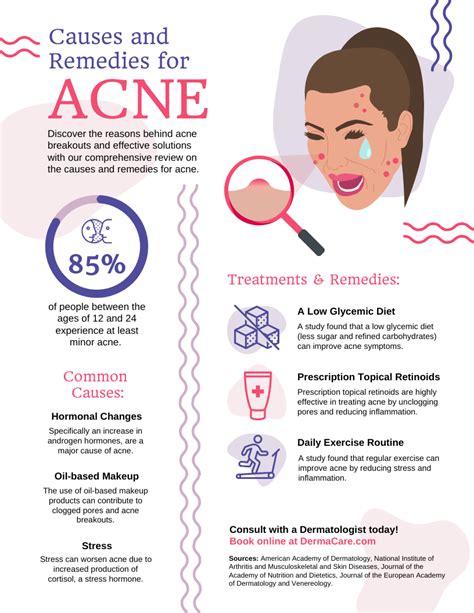
Skipping moisturizer is a common mistake for those with acne-prone skin. When the skin barrier is compromised, inflammation increases, and oil production can become more reactive. Balanced hydration is therapeutic.
For acne prevention, dermatologists recommend formulas with ceramides (often lacking in acne-prone skin) and niacinamide to control oil production and soothe inflamed skin. Humectants like glycerin and hyaluronic acid are essential for hydration, and salicylic acid can help decongest pores.
To rehabilitate skin with acne scarring, the first step is to protect and repair the skin barrier. This is achieved with ingredients like ceramides, glycerin, hyaluronic acid, and niacinamide. Once the barrier is restored, introducing vitamin C, azelaic acid, and antioxidants can help counteract discoloration. Peptides and antioxidants are also important for preventing acne scars and wrinkles by reducing oxidative stress and supporting dermal matrix health. Consistent use of a non-irritating, preferably mineral SPF 30-50 sunscreen daily is crucial to prevent further scarring.
tags: #best #lightweight #face #moisturizer #for #oily