This article provides a comprehensive guide to understanding sunscreen, SPF claims, and recent testing controversies in Australia. It is important to note that while this information is based on expert analysis and consumer testing, the nuances of sunscreen stability and testing methodologies can lead to varied results.
The Importance of Sunscreen in Australia
Australia has the highest prevalence of skin cancer in the world, with statistics indicating that two out of three people will be diagnosed with some form of skin cancer during their lifetime. Sunscreen is a vital part of sun safety, playing a crucial role in protecting against skin cancer, sunburn, and premature ageing. Regular use of sunscreen can significantly reduce the risk of melanoma. Melanoma Institute Australia suggests that daily sunscreen use can reduce melanoma risk by 40%.
Understanding UV Radiation and the UV Index
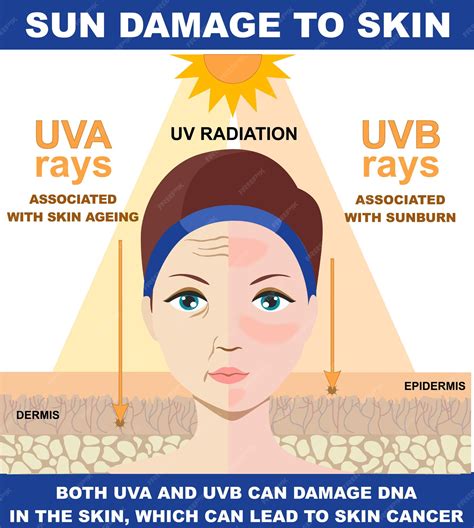
When exposed to the sun, you encounter two forms of ultraviolet (UV) radiation: UVA and UVB.
- UVA rays: Penetrate deeply into the skin, responsible for tanning, skin ageing, wrinkles, and contributing to certain skin cancers. They are present consistently throughout daylight hours and can penetrate clouds and car windows. The "A" in UVA stands for Ageing.
- UVB rays: Penetrate the top layer of the skin, causing sunburn and being the major cause of skin cancer. They also contribute to tanning and skin ageing. The "B" in UVB stands for Burns.
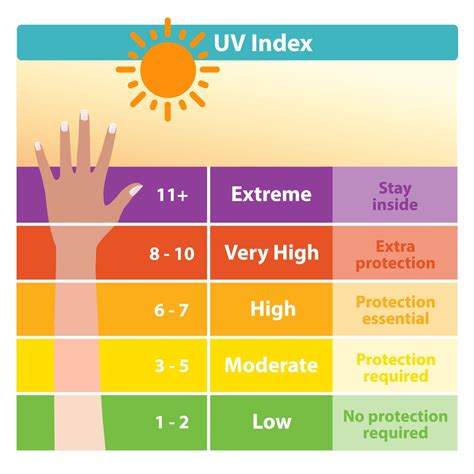
UV radiation levels vary based on time of day, season, latitude, altitude, cloud cover, and reflective surfaces. The UV index is a daily measure provided by the Australian Radiation Protection and Nuclear Safety Agency (ARPANSA) to indicate UV levels and the need for sun protection measures. Sun protection is recommended when the UV index is 3 and above.
What is SPF and How is it Tested?
SPF (Sun Protection Factor) measures how well a sunscreen protects your skin from sunburn caused by UVB radiation. The number on the label indicates how much longer it takes for untanned skin to redden when protected by sunscreen compared to unprotected skin. For instance, an SPF 30 sunscreen theoretically allows you to stay in the sun 30 times longer before burning than without sunscreen.
The SPF rating is determined through laboratory testing on human volunteers. Untanned skin is exposed to simulated UV light, with and without sunscreen. Testers measure the time it takes for redness to appear. In Australia, sunscreens with an SPF of 30 to 59 provide ‘High protection’, while SPF 60 or higher (labelled as 50+) provides ‘Very high’ protection. It's important to note that even SPF 50+ sunscreens do not block 100% of UV rays.
Challenges in Sunscreen Testing
Sunscreen testing is conducted in accordance with the Australia/New Zealand standard AS/NZS 2604:2021, which incorporates internationally recognised ISO standards, such as ISO 24444:2019 for in vivo determination of SPF. However, testing on humans can be subjective, leading to variability in results across laboratories and even between different tests on the same product. This variability has been at the centre of recent controversies in Australia.
The CHOICE Sunscreen Testing Controversy
In a significant development, CHOICE, an independent, non-profit consumer advocacy organisation, tested 20 popular sunscreens in Australia. Their findings indicated that 16 out of the 20 sunscreens failed to meet their claimed SPF ratings. This report prompted action from the Therapeutic Goods Administration (TGA), Australia's regulatory body for therapeutic goods.
Key Findings and Disputed Results
CHOICE's testing revealed substantial discrepancies in SPF claims for many well-known brands, including Cancer Council, Banana Boat, and Neutrogena. One of the most concerning results was for Ultra Violette's Lean Screen SPF 50+, which CHOICE's testing showed had an SPF of just four. Subsequent testing by CHOICE on a different batch, using a laboratory in Germany, yielded a similar result with an SPF of five.
These findings were met with strong disagreement from some brands, including Ultra Violette. The brand questioned CHOICE's methodology, particularly the small sample size in some validation tests and the potential for human error or sample mix-ups. Ultra Violette stated that their own extensive testing, conducted in accordance with TGA guidelines and by reputable labs, consistently showed their products met SPF 50+ claims, with some tests returning results as high as 64.32.
Other brands also expressed surprise and concern, asserting that their own internal testing, conducted by accredited laboratories and in compliance with Australian standards, confirmed their SPF claims. Companies like Aldi, Bondi Sands, and Nivea reassured consumers that their products undergo rigorous testing and meet TGA requirements.
TGA's Response and Investigation
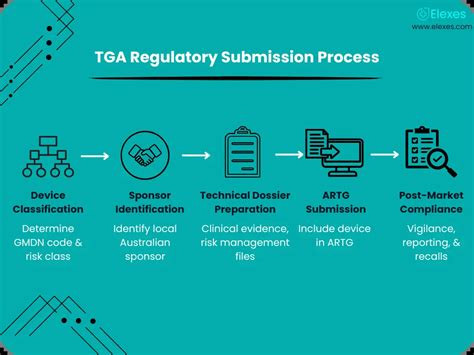
The Therapeutic Goods Administration (TGA) is aware of the CHOICE sunscreen report and has stated it will investigate the findings. Sunscreens in Australia are regulated as therapeutic goods, meaning their labels must be truthful and not misleading. Sponsors are required to hold evidence supporting their SPF claims. The TGA has the power to take regulatory action as required. While the TGA does not typically comment on ongoing investigations, they reiterated the importance of using sunscreen as a key measure to prevent harmful effects of UV radiation.
Types of Sunscreens
There are two main types of sunscreens based on their active ingredients:
- Physical (Mineral) Sunscreens: Contain zinc oxide or titanium dioxide. They create a physical barrier on the skin to deflect or scatter UV rays. Generally recommended for sensitive skin.
- Chemical Sunscreens: Absorb UV rays and prevent them from penetrating the skin. Common ingredients include homosalate and octocrylene. These can sometimes cause skin irritation.
Concerns have been raised about some chemical sunscreen ingredients, such as homosalate and oxybenzone, being potential endocrine disruptors. However, the TGA manages these risks, ensuring the amount absorbed during consistent use remains below levels known to cause problems in animals.
Forms of Sunscreen Application
Sunscreens are available in various forms, each with its advantages and disadvantages:
- Lotions and Creams: The most common form, generally affordable, easy to apply, and allow for visible coverage. They can sometimes feel sticky or greasy.
- Sprays: Convenient and less greasy, but can lead to uneven application and missed areas. Care must be taken to avoid inhalation or ingestion.
- Roll-ons: Portable and good for small areas, but difficult for even application over larger parts of the body.
- Sticks: Useful for small areas like the face, mess-free, and compact.
- Gels: Water-based, non-greasy, and easy to rub in, often preferred by those with body hair.
- Powders: Applied like foundation powder, best for small areas and touch-ups, but sufficient coverage can be challenging.
- Foams: Fast and easy to apply, with visible coverage, but ensuring adequate amount can be tricky.
Products combining sunscreen and insect repellent are generally not recommended due to differing application requirements. Additionally, insect repellents containing DEET can reduce sunscreen effectiveness.
How To CORRECTLY Apply Sunscreen On Your Face Like A Dermatologist + Tips for Reapplying SPF!
What to Look for When Buying Sunscreen
When selecting a sunscreen, consider the following:
- SPF: Aim for SPF 50+ for maximum benefit. However, proper application is crucial; an SPF 30 applied correctly can be more effective than an improperly applied SPF 50+.
- Broad Spectrum: Ensure the sunscreen protects against both UVA and UVB rays. All sunscreens with SPF 4 and above are required to be broad spectrum in Australia.
- Water Resistance: If you will be swimming or exercising, look for water-resistant products. Reapply after water activities and at least every two hours.
- Price: All sunscreens sold in Australia must be listed with the TGA and tested according to Australian standards. Therefore, the price should not be the sole indicator of effectiveness; a cheaper SPF 50+ sunscreen should offer the same protection as a more expensive one if properly applied.
- Ingredients: For sensitive skin, physical sunscreens containing zinc oxide or titanium dioxide are often recommended.
- Expiry Date: Always check the expiry date, as ingredients degrade over time and lose effectiveness.
Top Tips for Using Sunscreen Effectively
To ensure you get the best protection from your sunscreen:
- Apply sunscreen to clean, dry skin 15 to 30 minutes before sun exposure.
- Reapply just before going outside to ensure adequate coverage.
- Cover all exposed areas not protected by clothing, including ears, the back of the neck, hands, and feet.
- Apply evenly and avoid rubbing it in excessively.
- Reapply at least every two hours, and more frequently after swimming, sweating, or towel drying.
- Use sunscreen whenever you are outdoors for extended periods, not just at the beach or pool.
- Store sunscreen at temperatures below 30°C to maintain effectiveness.
- Do not use sunscreens past their expiry date.
- For new products or sensitive skin, perform a patch test on your inner arm.
Beyond Sunscreen: Comprehensive Sun Safety
While sunscreen is a critical component of sun protection, it is not a complete shield. Other essential sun safety measures include:
- Seeking shade, especially during the middle of the day when UV radiation is strongest.
- Wearing protective clothing, such as long-sleeved shirts and pants.
- Wearing a wide-brimmed hat to protect your face, neck, and ears.
- Wearing sunglasses that block UV rays.
For babies under 12 months, it is best to keep them out of direct sun. If sun exposure is unavoidable, use hats, clothing, and shade, with sunscreen as a last resort for uncovered skin.