After months of testing, this review focuses on the Clarisonic Sonic Radiance Brightening Solution, a system designed to specifically target hyperpigmentation and prevent the appearance of future dark spots. While hyperpigmentation is present on my face during the summer, it is not a major concern as the spots typically disappear in the wintertime on their own. My skin is rather dry and sensitive.
First Impressions and System Design
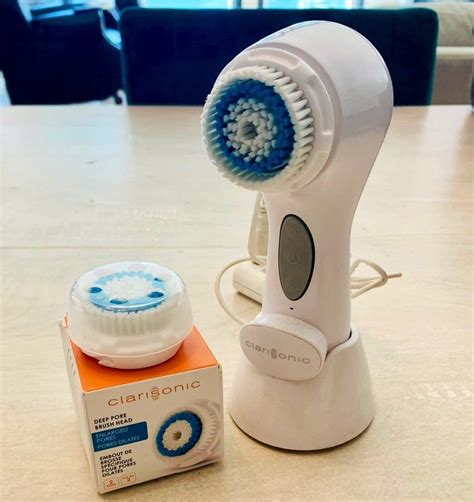
My first impression of the system was its sleek packaging. The Aria cleansing brush has a very ergonomic feel, coupled with a nice weight, and a fancy contact-free charging stand. However, beyond being a nice display item, I was rather disappointed with the system as a whole.
Performance Claims vs. User Experience
The Aria system boasts that with regular use, 37% of testers felt an improvement in their skin’s texture after just one week. Furthermore, after 12 weeks, a reported 86% of testers saw a difference in their skin’s radiance. I was initially impressed by how soft the Radiance brush felt to the touch, as I was worried about it being too rough for my sensitive skin.
The system is recommended for use twice a day: on the medium speed in the mornings and on the high speed at night. I immediately found this regimen to be far too rigorous and painful for my skin - the brush head suddenly didn’t feel so soft when used so frequently! My skin was left feeling very tender after each use. Consequently, I eventually tapered the frequency down from twice a day to once a day, and then to only three times a week total.
Impact on Self-Tanning
For those who use self-tanners, it's important to be aware that the brush will scrub off any tanner on the surface of your skin. If you are using a developing tanning product that “stains” your skin, this brush exfoliates deeply enough to remove any trace of the tanner. For the purpose of this review, I had to tailor my make-up routine to match my significantly whiter face to my bronzed neck and body. You might want to stock up on a foundation that is a few shades darker than your natural color if you plan on using the Clarisonic Sonic Radiance Brightening Solution.
User Interface and Button Functionality
In addition, as mentioned by some other bloggers, I found the buttons for speed adjustment to be extremely stiff.
Cleanser and Serum Analysis
I alternated between using the system at night and first thing in the morning to give the two cleansers provided equal testing time. I liked the first cleanser quite a bit. This cleanser has a milky consistency and spreads over the face gently and easily. I also found that this cleanser helped combat some of the tightness and dryness I felt after using the brush, and it didn’t leave my skin entirely stripped of its natural oils first thing in the morning. I would probably repurchase this cleanser.
The second cleanser is meant to be used with the Aria system at night. It is a thicker, transparent gel cleanser. This product foams and spreads easily when combined with water and performs an average job of cleansing. I felt like I had to wash my face with something else prior to using this product, as it was best at just ensuring the last bits of my make-up were gone.
The serum was probably my least favorite product of the bunch. It is meant to be used each time after cleansing and before applying moisturizer. The texture was light and it spread on my skin nicely.
Effectiveness on Hyperpigmentation
Sometime in the middle of my testing period, I went on vacation. Due to being out and about in the sun, I returned with a face full of freckles. Comparatively speaking, I have more “sun spots” on my face now than I did before using the Aria system. Therefore, I cannot truly comment on whether any hyperpigmentation was reduced, because even minor UV exposure provided too many freckles for me to keep track of. Combined with the rather mediocre cleansers and serum provided, I would advise against spending $265 on this system. Perhaps the system would be better suited for someone older and with less sensitive skin.
Alternative Use as an Exfoliator
On the flip side, I have been using the brush once a week in place of my usual exfoliator just to scrub off any dead skin. It has worked wonderfully as a physical exfoliator on a once-weekly basis, rather than the twice-a-day regimen that’s recommended. My skin is left feeling smooth and soft, and it also helps other products penetrate better to maximize efficacy.
Key Ingredients and Their Functions
Water
Water is the most common cosmetic ingredient. It typically appears at the top of ingredient lists, making up the largest part of the product. It is essential for life and hydration.
Sodium Cocoyl Glycinate
Sodium Cocoyl Glycinate is a cleansing agent.
Coco-Betaine
Coco-Betaine is the natural version of Cocamidopropyl Betaine, often derived from coconuts. It is a surfactant that helps remove dirt and oil from the skin.
Glycerin
Glycerin is naturally found in the skin and helps moisturize and protect it. A 2016 study found glycerin to be a more effective humectant than AHAs and hyaluronic acid. As a humectant, it draws moisture to the skin, improving hydration and strengthening the skin barrier. Glycerin also possesses antimicrobial and antiviral properties, making it useful in wound and burn treatments. In cosmetics, it is typically derived from plants like soybean or palm, but can also be sourced from animals. It is organic, colorless, odorless, and non-toxic.
Sodium Chloride
Sodium Chloride, commonly known as salt, is often found in cleansers to create a gel-like texture. It also acts as an emulsifier, preventing ingredients from separating. There is ongoing debate about its comedogenic potential, with research still needed to fully understand its impact on acne.
Triethanolamine (TEA)
Triethanolamine (TEA) is an emulsifier and pH adjuster created using ethylene oxide and ammonia. It prevents ingredient separation and enhances texture by adding volume. pH adjusters are crucial for product effectiveness and to prevent skin irritation.
Ci 77891 (Titanium Dioxide)
Ci 77891 is a white pigment derived from Titanium dioxide, naturally found in minerals. Its primary function is to impart a white color to cosmetics.
Acrylates/C10-30 Alkyl Acrylate Crosspolymer
Acrylates/C10-30 Alkyl Acrylate Crosspolymer is a synthetic polymer used to thicken and improve product texture. It also prevents water and oil ingredients from separating.
Phenoxyethanol
Phenoxyethanol is a preservative with germicidal, antimicrobial, and aromatic properties that prevent microbial growth. It is often used with Caprylyl Glycol to extend shelf life and has a scent similar to roses.
Sodium Benzoate
Sodium Benzoate is a preservative approved by the US FDA and EU Health Committee, used in both cosmetics and food to inhibit mold and bacteria. It works by preventing bacteria from fermenting sugar using the enzyme phosphofructokinase. It is the salt of benzoic acid and is found in many food products.
Glycol Distearate
Glycol Distearate functions as a pearlizing or opacifying agent in cosmetic products.
Parfum (Fragrance)
Parfum is a broad term for one or more ingredients used to impart scent. It can be a complex blend of chemicals or plant oils. The term "fragrance" is not always regulated, and its composition can vary widely. Some fragrance ingredients, like linalool and citronellol, are known EU allergens and can cause sensitivities. Parfum can also be used to mask unpleasant odors. If you have concerns about fragrances, it is advisable to examine the specific ingredients or consult a professional.
Salicylic Acid (BHA)
Salicylic Acid, also known as beta hydroxy acid (BHA), is effective for treating acne and clogged pores. It exfoliates the skin's surface and within pores to clear buildup, control oil, and reduce inflammation. Being oil-soluble, it penetrates pores effectively, making it ideal for blackheads and preventing breakouts. Salicylic acid also has soothing properties. The FDA approves it as an over-the-counter topical acne product. It can cause irritation or dryness on compromised skin barriers, so repairing the barrier is recommended before use. While it doesn't increase sun sensitivity, daily sunscreen use is still essential.
Chlorphenesin
Chlorphenesin is a synthetic preservative that protects products against bacteria, extending shelf life. It is often paired with other preservatives like phenoxyethanol and caprylyl glycol. As a biocide, it fights microorganisms on the skin and odor-causing bacteria. Chlorphenesin is soluble in water and glycerin and is readily absorbed by the skin. Consulting a skincare professional is recommended if you have concerns about its use.
Limonene
Limonene is a fragrance found in citrus fruit peels and plants like lavender and eucalyptus. It acts as an antioxidant, neutralizing free radicals. However, oxidized limonene can sensitize the skin when exposed to air, leading some individuals with sensitive skin to avoid it. Like "fragrance," the term "limonene" is not always regulated.
Geraniol
Geraniol is used to add fragrance to products and is a primary component of citronellol. It is a monoterpenoid alcohol naturally found in plant essential oils, including Rose Oil and Citronella Oil, with a "rose-like" scent. It is also used for fruit flavoring in foods. Geraniol can irritate the skin when exposed to air, though irritation depends on its penetration ability, which is generally low. It is colorless, has low water solubility, but is soluble in organic solvents and acts as a natural insect repellent.
Ginkgo Biloba Leaf Extract
Ginkgo Biloba Leaf Extract, derived from the leaves of the Ginkgo tree, offers soothing and antioxidant properties. Its leaves contain flavonoids and terpenoids, potent antioxidants that protect the skin from environmental damage like pollution. Its soothing ability comes from compounds like biflavones, and studies indicate strong anti-inflammatory properties.
Linalool
Linalool is a fragrance ingredient derived from plants such as cinnamon, mint, citrus, and lavender. Like limonene, it oxidizes when exposed to air, and oxidized linalool can cause allergies and skin sensitivity.
Mentha Piperita Leaf Extract (Peppermint Leaf Extract)
Mentha Piperita Leaf Extract is derived from peppermint leaves and can provide a "cooling" sensory feel. Peppermint leaves contain polyphenols with antioxidant activity. In-vitro studies suggest anti-inflammatory and antimicrobial effects against certain bacteria and fungi. However, evidence for its use as a "treatment" ingredient is limited and depends on the specific extract and concentration. High concentrations may sensitize the skin.
Glycyrrhiza Glabra Root Extract (Licorice Root Extract)
Glycyrrhiza Glabra Root Extract, from licorice roots, offers skin hydrating, conditioning, and soothing benefits. Glabridin, a component, has potent antioxidant and soothing properties and has been shown to block UVB-induced pigmentation in guinea pigs. Licorice root also contains flavonoids with antioxidant properties. Glycyrrhizin, another component, has anti-inflammatory and antimicrobial benefits, potentially making it effective for acne, though more research is needed. Liquiritin, a flavone compound in licorice, helps lighten skin by preventing tyrosinase from reacting with tyrosine, which converts protein to melanin (the pigment in skin).
Skincare Ingredients You CAN'T Mix?! | Doctorly Investigates
tags: #clarisonic #radiance #foaming #milk #cleanser