Bumps along the eyelid margin, particularly near the eyelash line, can cause discomfort and concern. While often mistaken for common acne, these bumps can stem from various conditions affecting the delicate skin and oil glands of the eyelids. Understanding the potential causes and appropriate treatments is crucial for maintaining eye health and comfort.
Understanding Eyelid Bumps: Styes and Chalazia
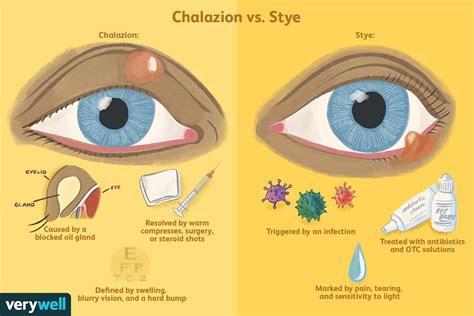
The most common type of bump on the eyelid is a stye, also known as a hordeolum. A stye is an inflamed oil gland located on the edge of the eyelid, where the eyelash emerges. It typically appears as a red, swollen, pimple-like bump.
Styes are often caused by a blockage in one of the small oil glands within the eyelids, which can lead to bacterial growth and inflammation. They can develop over a few days and may eventually drain and heal on their own.
A related condition is a chalazion, which occurs when an inflamed oil gland becomes fully blocked. Unlike styes, chalazia are usually not painful unless they become significantly inflamed or infected. A large chalazion can sometimes affect vision by pressing on the eyeball.
Other Potential Causes of Eyelid Bumps
Beyond styes and chalazia, several other conditions can manifest as bumps on or around the eyelash line:
Milia
Milia are small, white, cyst-like bumps that appear on the eyelids. They are caused by keratin (a protein) trapped beneath the skin's surface and are generally harmless, often resolving on their own. Milia are distinct from styes as they are not typically caused by bacterial infection or oil gland blockage.
Xanthelasma
Xanthelasma presents as raised, yellowish patches on the eyelids. While usually harmless, they can sometimes be associated with high cholesterol levels or other lipid disorders. Treatment options include laser therapy, chemical peels, or surgical removal.
Papillomas
These are typically pink or skin-colored bumps that are benign. While harmless, they can grow over time and may cause cosmetic concerns or interfere with vision.
Cysts
Small, fluid-filled sacs can also form on the eyelids and may affect vision if they become large enough.
The Role of Blepharitis and Demodex Mites
Blepharitis is a common condition characterized by inflammation of the eyelids, often affecting the lash line. It can cause swelling, itching, crusting, and irritation. Blepharitis can be caused by an overgrowth of bacteria normally found on the eyelids or by clogged oil glands.
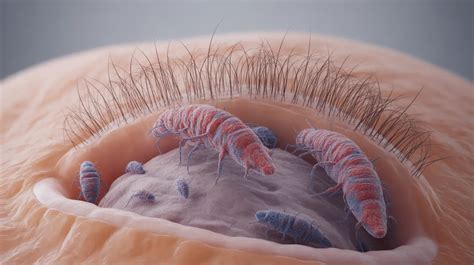
Demodex mites, microscopic organisms that naturally live on human skin, can also contribute to eyelid issues. An overpopulation of these mites has been identified as a cause of blepharitis and can increase the likelihood of developing styes.
Symptoms of blepharitis can include:
- Red, swollen, and itchy eyelids
- Greasy or crusty scales along the eyelid margins and lashes
- Eyelids that feel stuck together, especially upon waking
- A gritty or sandy sensation in the eyes
Symptoms of Eyelid Bumps
The symptoms of a stye typically include:
- A painful, discolored bump along the edge of the eyelid near the eyelashes.
- Swelling of the eyelid, which may sometimes involve the entire eyelid.
- Discharge from the eye.
- Crusting along the eyelid.
- Sensitivity to light.
- Soreness and itching.
- Excessive tearing.
- A scratchy sensation or the feeling that something is in the eye.
While a stye is usually painful, a chalazion might be painless initially but can become tender as it swells. Other bumps like milia are typically painless.
Diagnosis and Medical Examination
In most cases, a healthcare provider can diagnose a stye or chalazion through a visual examination of the eyelid. They will assess the appearance of the bump and inquire about your symptoms.
If a stye or other eyelid bump affects your vision, worsens significantly, or does not improve with home care within a week or two, it is important to consult a medical professional. Signs that warrant professional attention include:
- Severe pain or swelling.
- The development of blisters on the eyelid.
- Redness of the entire eyelid or the eye itself.
- Increased sensitivity to light or excessive tearing.
- Pus or blood leaking from the bump.
- Recurrent styes.
- Bleeding from the eyelid bump.
If styes repeatedly return, a biopsy might be performed to rule out more serious underlying conditions.
Home Treatment for Eyelid Bumps
For most styes and minor eyelid bumps, home care can be effective:
- Warm Compresses: Apply a clean, warm, wet cloth to the affected area for 10-15 minutes, 3-4 times a day. This helps to soften blockages and promote drainage.
- Eyelid Hygiene: Gently clean the edges of your eyelids with a mild, tear-free baby shampoo solution or specialized eyelid cleansing wipes. This is particularly important for individuals prone to blepharitis.
Crucially, do NOT attempt to squeeze or pop a stye or any other eyelid bump. This can worsen the inflammation, spread infection, and potentially lead to more severe complications like eyelid cellulitis.
During the healing process, avoid wearing contact lenses and eye makeup until the area has completely healed to prevent further irritation or infection.

Medical Treatments for Eyelid Bumps
If home treatment is insufficient, a healthcare provider may recommend:
- Antibiotics: Antibiotic eye drops or ointments may be prescribed to treat bacterial infections. In cases of more widespread infection (eyelid cellulitis), oral antibiotics might be necessary.
- Incision and Drainage: For persistent or large styes or chalazia, a minor surgical procedure may be performed to drain the accumulated fluid or pus. This is done under local anesthesia.
- Steroid Injections: In some cases, a corticosteroid injection may be used to reduce inflammation and swelling, particularly for chalazia.
Prevention Strategies
Preventing styes and other eyelid bumps involves maintaining good hygiene and addressing underlying conditions:
- Hand Hygiene: Always wash your hands thoroughly before touching your eyes or face.
- Eyelid Cleaning: If you are prone to styes or have blepharitis, regularly clean the edges of your eyelids with a diluted baby shampoo solution or a commercial lid scrub.
- Makeup Hygiene: Remove all eye makeup thoroughly each night. Replace old eye makeup regularly, especially mascara and eyeliner, as these can harbor bacteria. Avoid sharing eye makeup.
- Contact Lens Care: Follow proper hygiene practices for contact lens wear.
- Dietary Supplementation: Some individuals find that oral fish oil supplements may help prevent the oil glands from becoming blocked.
- Treating Underlying Conditions: Managing conditions like blepharitis, rosacea, or seborrheic dermatitis can help reduce the recurrence of eyelid bumps. Treating Demodex mite infestations may also be beneficial.
How to do Eyelid Massage and Meibomian Gland Expression for Dry Eyes and Eyelid Stye
Outlook (Prognosis)
The outlook for styes and most common eyelid bumps is generally excellent. Styes often resolve on their own within one to two weeks with appropriate home care. Chalazia may take longer to resolve but often respond well to treatment.
However, untreated or severe infections can spread, leading to complications such as eyelid cellulitis. Recurrence is possible, especially if underlying factors like blepharitis or Demodex infestation are not managed. Consistent adherence to preventative measures and prompt medical attention when needed are key to maintaining good eye health.