Forehead bumps can be a common concern, often appearing as small, clustered eruptions. While they might resemble typical acne, these bumps may not always be caused by acne. According to Dr. Gendler, a board-certified dermatologist and skin health expert, these tiny bumps, which can manifest as whiteheads or clogged pores, frequently appear on the forehead, hairline, cheeks, or jawline. The primary culprit is often a yeast known as Malassezia (formerly Pityrosporum).
Distinguishing Forehead Pimples from Other Bumps
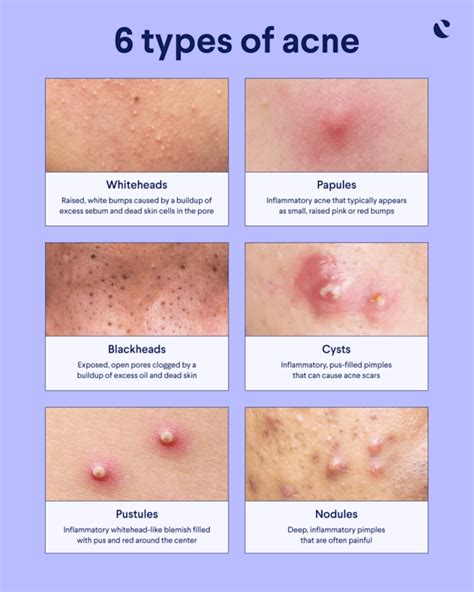
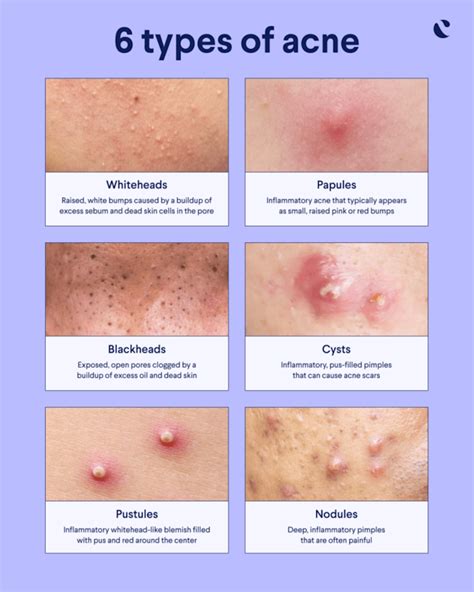
Forehead acne typically presents as solid red bumps, referred to as papules. You might also observe bumps with a collection of pus at the top, known as pustules. It's crucial to treat acne properly, regardless of its location. Over-the-counter (OTC) or prescription medications can expedite the clearing of pimples.
However, it's important to recognize that not all forehead bumps are acne. Other conditions can cause similar-looking eruptions:
- Boils: Red, painful lumps originating from infected hair follicles.
- Cellulitis: A skin infection that develops around a cut or scrape.
- Contact dermatitis: A skin reaction to products or materials, such as laundry detergent or clothing.
- Folliculitis: An infection of the hair follicle.
- Ringworm: A fungal skin infection.
- Rosacea: A skin condition characterized by redness and pimples on the face.
- Fungal folliculitis: An infection of the hair follicles by fungi, which can be mistaken for acne.
Common Causes of Forehead Acne
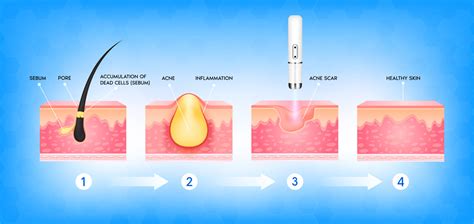
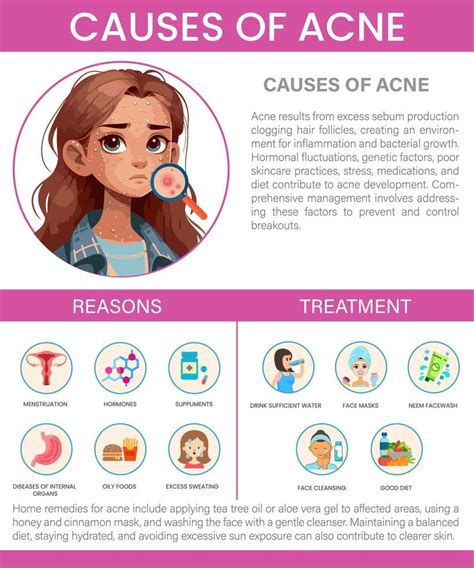
The underlying cause of acne, regardless of its location on the face, is generally the same. Pores can become clogged with dirt, excess oil (sebum), and dead skin cells. Bacteria can then grow within these clogged pores, leading to inflammation and the formation of pimples.
Factors Contributing to Increased Oil Production and Acne
- Puberty Hormones: Acne is more prevalent in teenagers due to hormonal surges during puberty, which increase oil production. The forehead is a common site for these early breakouts.
- Stress Hormones: While stress doesn't directly cause acne, it can trigger the release of cortisol. This hormone stimulates sebaceous glands to produce more oil, potentially leading to clogged pores.
- Hair and Hair Products: Infrequent hair washing or oily hair can lead to oil transferring to the forehead and clogging pores. Hair styling products, such as pomades, oils, gels, and waxes, containing ingredients like cocoa butter or coconut oil, can also exacerbate oiliness and cause what is known as pomade acne.
- Clothing or Makeup Irritation: Irritation from clothing or chemicals in makeup can trigger forehead acne, especially in individuals with sensitive skin. New makeup brands or abrasive headwear can also contribute.
- Touching the Face: Frequently touching the face can transfer oil and bacteria to the skin, leading to clogged pores.
- Genetics: A family history of acne can increase an individual's susceptibility. Genetics also influences the immune system's ability to combat acne-promoting bacteria.
- Hygiene Habits: Not washing the face daily can lead to a buildup of oil, dirt, and dead skin cells. Removing makeup each night is also crucial.
- Certain Medications: Some medications can cause acne as a side effect. These include oral corticosteroids, some contraceptives (like medroxyprogesterone injection, implants, and oral contraceptives), testosterone, and anabolic steroids (e.g., danazol, stanozolol, nandrolone).
- Diet: While research is ongoing, some studies suggest that certain foods might exacerbate acne by causing fluctuations in hormones.
- Environmental Factors: High humidity and pollution levels can also play a role.
Treating Forehead Pimples
Effective treatment for acne often involves using skincare products with active ingredients like salicylic acid or benzoyl peroxide, which possess antibacterial and exfoliating properties. For conditions like fungal folliculitis, which can be misdiagnosed as acne, a dermatologist might recommend specific treatments.
First-Line Defenses and Professional Treatments
- Anti-Dandruff Shampoo: Surprisingly, anti-dandruff shampoos containing active ingredients like selenium sulfide or ketoconazole can be effective against Malassezia overgrowth. This is often an off-label use but a common recommendation by dermatologists.
- Antifungal Medications: For more persistent cases, a dermatologist may prescribe topical or oral antifungal medications to clear the condition more rapidly.
Over-the-Counter (OTC) Treatments
For mild to moderate acne, OTC options are often effective:
- Benzoyl Peroxide: Available in various concentrations and formulations (washes, creams, lotions), it kills acne-causing bacteria and helps unclog pores. Lower concentrations are generally less irritating.
- Salicylic Acid: This beta-hydroxy acid (BHA) helps to dissolve dead skin cells and oil within the pores, preventing clogs. It's available in cleansers, lotions, and pads.
- Retinoids (Vitamin A Derivatives): OTC retinoids like adapalene (Differin®) help prevent clogged pores by increasing cell turnover. They can cause initial dryness or peeling.
- Azelaic Acid: This natural acid has antibacterial and anti-inflammatory properties and can help reduce swelling and kill microorganisms on the skin.
- Niacinamide: A form of vitamin B3, it helps balance oil production, reduce pore size, and manage inflammation.
Prescription Treatments
For more severe or persistent acne, a dermatologist may prescribe:
- Topical or Oral Antibiotics: To reduce bacteria and inflammation.
- Stronger Retinoids: Prescription-strength retinoids like tretinoin or tazarotene.
- Hormonal Therapies: For women, oral contraceptives can help regulate hormones that contribute to acne.
- Isotretinoin: A powerful oral medication for severe, persistent acne, which significantly reduces oil production and inflammation. This requires close medical supervision.
Natural and Home Remedies
While not a substitute for medical treatment for moderate to severe acne, some natural remedies may offer mild benefits:
- Aloe Vera: Known for its soothing and anti-inflammatory properties.
- Tea Tree Oil: Possesses antimicrobial properties. It should be diluted before application to avoid irritation.
- Green Tea Extract: Contains antioxidants and may help reduce oil production.
- Zinc: Some studies suggest zinc supplements may help improve skin health.
- Warm Compress: Can increase blood flow and aid in healing.
- Ice: Applied in a covered pack, it can reduce inflammation and pain.
Important Note: Always perform a patch test before applying any new topical remedy to your skin, and consult with a healthcare professional before starting any new supplements.
Preventing Forehead Acne
Consistent skincare and lifestyle adjustments can significantly help prevent breakouts:
- Cleanse Regularly: Wash your face gently with a mild cleanser twice a day to remove excess oil, dirt, and dead skin cells. Avoid harsh scrubbing, which can worsen inflammation.
- Hair Care: Wash your hair frequently, especially if it's oily. Avoid hair products that contain oils or heavy ingredients that can transfer to your forehead. Keep bangs and hair away from your face.
- Product Selection: Use makeup, cleansers, and skincare products labeled "noncomedogenic," meaning they are less likely to clog pores.
- Avoid Touching Your Face: Minimize touching your face throughout the day, and wash your hands before touching your skin.
- Headwear Hygiene: Regularly clean hats, helmets, and headbands that come into contact with your forehead.
- Manage Stress: Incorporate stress-reducing activities into your routine.
- Dietary Awareness: While the link between diet and acne is complex, pay attention to any potential food triggers and discuss them with your doctor or a dietitian.
When to See a Dermatologist
If you've been struggling with persistent forehead bumps for weeks or months without improvement, or if your acne is severe, it's essential to seek professional diagnosis and treatment. A board-certified dermatologist can accurately identify the cause of your breakouts-whether it's true acne, fungal folliculitis, or another condition-and recommend a personalized treatment plan. Misdiagnosed bumps can be frustrating, but with the right approach, clearer skin is achievable.