Have you ever wondered why some oils work wonders for your skin while others clog pores and cause breakouts? Enter the realm of the comedogenic scale for oils, a critical factor in determining the pore-clogging potential of different oils. Whether you’re battling acne, dealing with sensitive skin, or simply seeking to optimize your skincare routine, understanding the comedogenic scale can help you better navigate exactly what your skin needs. Here, we’ll shed some light on the science behind the comedogenic scale for oils and equip you with the knowledge to make informed decisions about incorporating oils into your skincare routine.
The Science Behind the Comedogenic Scale for Oils
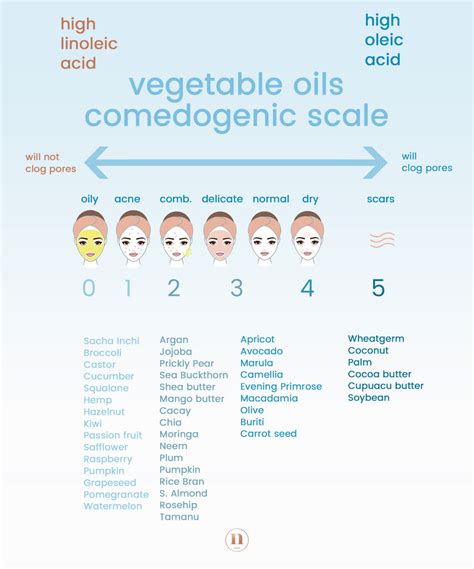
The comedogenic scale for oils is a ranking system that measures the likelihood of an oil to clog pores and cause acne. It’s important to note that the comedogenic scale isn’t absolute, and individual reactions can vary. Factors such as skin type, sensitivity, and other ingredients in the product formulation may influence the impact of oil on the skin. Patch testing new products and observing how your skin responds is a helpful way to determine the suitability of an oil for your specific skin type and needs.
The comedogenic scale ranges from 0 to 5, with 0 being non-comedogenic (least likely to clog pores) and 5 being highly comedogenic (most likely to clog pores). Understanding this scale can help you make more informed decisions when choosing products for your skincare routine.
Non-Comedogenic Oils: Score of 0-1
Oils with a rating of 0 or 1 are considered non-comedogenic, which means they have a lower tendency to block the pores on your skin. They are less likely to cause acne or comedones and are safe for most skin types. Here are some commonly used non-comedogenic oils:
- Sunflower oil (unrefined)
- Safflower oil
- Squalane oil
- Babassu oil
- Castor oil
Moderately Comedogenic Oils: Score of 2
Oils with a rating of 2 have a moderate likelihood of clogging pores. While they may cause sensitive or acne-prone skin issues, others may be well-tolerated by different skin types. Exercise caution and consider individual skin sensitivity when incorporating these ingredients into your skincare routine. Examples of moderately comedogenic oils include:
- Almond oil
- Olive oil
- Peanut oil
- Sandalwood seed oil
- Apricot kernel oil
Moderately to Highly Comedogenic Oils: Score of 3-4
Ingredients rated 3 or 4 are considered moderately to highly comedogenic. They are more likely to trigger acne breakouts and other issues, particularly those with acne-prone or sensitive skin. It’s generally recommended to avoid these oils, especially if you are prone to skin concerns. Here are some oils in the moderate to high comedogenic range:
- Sesame oil
- Corn oil
- Avocado oil
- Cotton seed oil
- Cocoa butter
- Coconut butter
- Mink oil
- Soybean oil
Highly Comedogenic Oils/Ingredients: Score of 5
Highly comedogenic ingredients, scoring 5 on the comedogenicity scale, have the highest potential to clog pores and may significantly contribute to skin concerns. These ingredients are more likely to cause acne breakouts and other skin issues. Check cosmetic product labels and steer clear of these specific ingredients to reduce the risk of pore blockage:
- Isopropyl isostearate
- Myristyl myristate
- Oleth-3
- Laureth-4
Finding Oils for Skincare Using the Comedogenic Scale
Oils can be beneficial for your skin-if you’re using the right ones. Here are a few different types of oils you might consider incorporating into your skincare routine, keeping the comedogenic scale in mind.
Moisturizing Oils
Moisturizing oils nourish and hydrate the skin. They lock in moisture and create a protective barrier on the skin, helping to prevent water loss and keeping the skin hydrated. Sunflower seed oil has been shown to enhance the skin barrier and improve hydration without inducing erythema (redness). Sweet almond oil also has emollient effects, helping to treat dry skin by preventing transepidermal water loss.
Oils That Boost Skin Elasticity
Maintaining good skin elasticity may help minimize the appearance of wrinkles, fine lines, and sagging, giving your skin a more youthful and toned look. One study showed that oral and topical use of argan oil led to a significant increase in skin elasticity in postmenopausal women.
Oils That Improve the Appearance of Skin Imperfections
Certain oils may improve skin imperfections; these oils may be beneficial in reducing melanin levels, erythema, sebum production, and fine and large pores. Grapeseed oil, for example, contains a variety of bioactive components that can contribute positively to the overall health and aesthetic qualities of human skin.
Anti-Aging Oils
Anti-aging oils have properties that can help combat the signs of aging, promoting youthful-looking skin. These oils often contain antioxidants, vitamins, and fatty acids that can nourish the skin, improve elasticity, reduce the appearance of wrinkles and fine lines, and enhance overall skin texture. Rosehip seed oil, for example, is often used in anti-aging formulas due to its powerful antioxidants. Sandalwood oil is also used as an active ingredient in cosmetics for its protective and anti-aging properties, particularly in combating the effects of environmental stressors.
Soothing/Calming Oils
Various oils are used in skincare for their soothing properties. When applied to the skin, they can help soothe irritations, redness, and inflammation, providing relief and comfort. One study showed that daily consumption of sweet coriander seed oil can help soothe reactive and sensitive skin.
Oils with Beneficial Properties for Skin Conditions
Take a look at four oils that are commonly used to treat various skin conditions due to their beneficial properties:
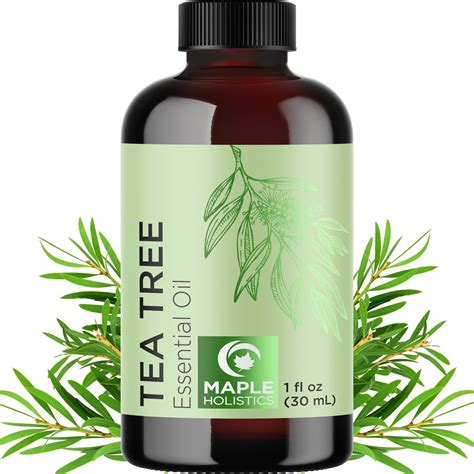
- Oils for acne: Tea tree oil and rosemary oil are suggested natural remedies for acne due to their potential antimicrobial properties. Given their efficacy, both oils are promising alternatives to replace antibiotics for treating acne. By targeting these bacteria and inhibiting their growth, tea tree oil and rosemary oil may help alleviate acne symptoms.
- Oils for eczema: Tamanu oil has various beneficial properties, which have led to its exploration for treating various skin conditions, including atopic dermatitis (eczema). Its anti-inflammatory properties may help reduce skin inflammation and relieve the symptoms associated with atopic dermatitis, but more study is needed. Shea butter is another naturally occurring anti-inflammatory and antioxidant that can help soothe the dryness and itching associated with atopic dermatitis.
Using Oils with Personalized Skincare Routines
Yes, you can use oils with personalized skincare routines! Adding 2-3 drops of face oil or oil-based serum may be an option for additional hydration. It is recommended to contact your dermatology provider to see how this might work in your routine, as they can provide valuable insights and guidance based on your needs and skin conditions.
With personalized skincare services, you get personalized, high-grade care that’s rooted in science. Because some oils may prove effective for some people and not others, those with skincare concerns often struggle to find solutions that work for them specifically. Personalized services help to take out the guesswork.
By filling out a questionnaire and taking a few photos of your skin concerns, you can connect with licensed dermatology providers who will offer personalized solutions. They are also there to answer any questions you have along the way and can help guide you toward healthier skin.
Startup applies artificial intelligence to customize skincare products
FAQs
Should I avoid all comedogenic oils?
Whether you entirely avoid comedogenic oils largely depends on your skin type, personal experience, and tolerance levels. If you have acne-prone or sensitive skin, it’s generally best to choose oils with lower comedogenic ratings (0-2) or opt for products labeled as non-comedogenic. If you have specific skin concerns or conditions, we recommend consulting with a dermatology provider to ensure the best choices for your skincare routine.
Are there specific essential oils that are more effective in treating acne?
Several essential oils, such as tea tree and lavender, are often cited for their potential acne-fighting properties. These oils may have antimicrobial, anti-inflammatory, and soothing effects, which could help reduce acne-related inflammation and kill acne-causing bacteria.
What are the worst oils for acne?
When it comes to acne-prone skin, certain oils have a higher likelihood of aggravating or worsening acne. Here are two highly comedogenic oils that individuals with acne-prone skin should avoid:
- Coconut oil: Coconut oil has a comedogenic rating of 4, which means it has a higher likelihood of clogging pores and causing breakouts.
- Cocoa butter: Cocoa butter has a comedogenic rating of 4 and may be too heavy for acne-prone skin. It may contribute to clogged pores and breakouts.
Consulting with a dermatology provider can provide personalized recommendations based on your skin concerns and needs.
How to incorporate oils into your skincare routine?
You can incorporate oils into your skincare routine in different ways. For example, you can mix a few drops of oil into your moisturizer or foundation for added hydration and a healthy glow. You can also use oils as a part of your nighttime routine, applying them after your serums or treatments.
Like any skincare product, the benefits of oils are best observed with regular use. Incorporate them into your routine consistently to see long-term results. Everyone’s skin is different, so it’s essential to observe how your skin reacts to various oils and adjust accordingly. If you have any specific skin concerns or conditions, it’s always advisable to consult with a dermatology provider before making significant changes to your skincare routine.
tags: #coconut #oil #non #comedogenic