Collagen is a protein that is increasingly discussed for its potential health and beauty benefits. Often described as a "miracle protein," it plays a fundamental role in the body's structure and strength. Understanding what collagen is, how it functions, and the scientific evidence behind its supplementation is crucial for women considering its use.
What is Collagen?
Collagen is the most abundant protein in the human body, making up approximately 30% of the body's total protein content. It is a major component of connective tissues, including bones, tendons, ligaments, skin, and muscles. This structural role means collagen is directly linked to the body's integrity and strength.
The Building Blocks of Collagen
Collagen is synthesized by the body from amino acids, which are the building blocks of proteins. Key amino acids involved in collagen production include proline, glycine, and hydroxyproline. The body also requires adequate amounts of vitamin C, zinc, copper, and manganese to form the characteristic triple helix structure of collagen.
Types of Collagen
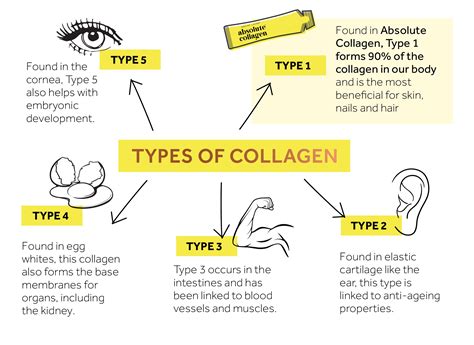
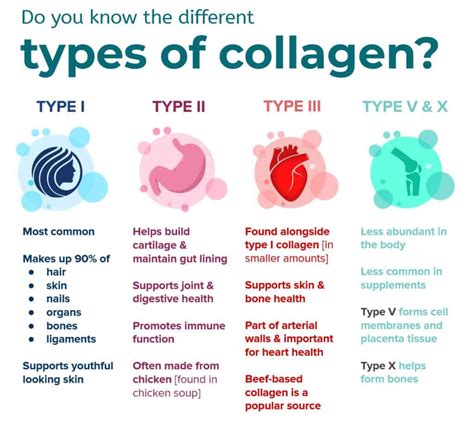
Scientists have identified at least 29 different types of collagen, each with a slightly different molecular structure and function. The five main types include:
- Type I: The most abundant type, making up about 90% of the body's collagen. It provides structure and strength to skin, bones, tendons, and ligaments.
- Type II: Found in flexible cartilage, providing support and cushioning for joints.
- Type III: Present in muscles, arteries, and internal organs.
- Type IV: Found in the layers of the skin.
- Type V: Located in the corneas of the eyes, some layers of skin, hair, and the tissue of the placenta.
Collagen Production and Aging
As individuals age, the body's natural production of collagen slows down. This decline is exacerbated by factors like sun exposure, smoking, and high sugar intake. For women, there is a significant reduction in collagen production after menopause. By age 60, a general decline in collagen levels is normal for everyone. Signs of decreasing collagen can include wrinkles, dry skin, brittle nails, thinning hair, and joint discomfort.
Factors Damaging Collagen
Several factors can negatively impact collagen levels and quality:
- Smoking: Nicotine constricts blood vessels, reducing the delivery of oxygen and nutrients to the skin, and damages collagen and elastin.
- Excessive Sugar and Refined Carbs: Sugar can attach to proteins, forming advanced glycation end products (AGEs) that damage collagen, making it weak and brittle.
- Ultraviolet (UV) Light Exposure: Excessive sun exposure reduces collagen production and accelerates its breakdown, leading to wrinkles and loss of elasticity.
- Autoimmune Diseases: Conditions like rheumatoid arthritis, lupus, and scleroderma can attack and damage collagen.
- Genetic Mutations: Certain genetic conditions can affect collagen construction.
Potential Benefits of Collagen Supplementation for Women
The popularity of collagen supplements has surged due to claims of various health and beauty benefits. While research is ongoing and sometimes limited, some evidence suggests potential advantages:
1. Skin Health
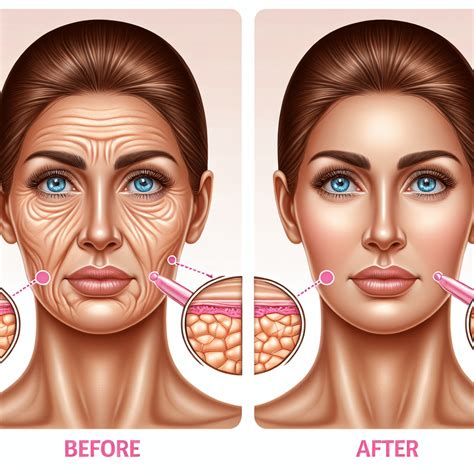
Collagen is a primary structural protein in the skin, contributing to its firmness, elasticity, and hydration. As collagen production decreases with age, the skin can become dry and develop wrinkles. Studies suggest that collagen supplements may help slow these effects, potentially improving skin hydration, elasticity, and reducing the appearance of wrinkles. Some research indicates that specific peptides within collagen supplements can enhance skin moisture and appearance.
2. Joint and Bone Health
Collagen is a crucial component of cartilage, the flexible tissue that protects joints. With age-related collagen decline, joints become more susceptible to disorders like osteoarthritis. Collagen supplements are thought to help maintain cartilage integrity and may reduce osteoarthritis-related pain and improve joint function in the short term, although more extensive research is needed. Additionally, collagen helps maintain bone mass. As collagen levels decrease, bone density can deteriorate, making bones more brittle. Some research indicates that collagen powder may help increase bone density and slow the aging process of bones.
3. Muscle Mass and Strength
Collagen provides structure to muscles. For some individuals, muscle mass decreases with age. Collagen supplements, when combined with proper exercise, have been known to help counter this loss, potentially increasing muscle mass and strength. Studies involving resistance training have shown that participants taking collagen peptides experienced greater increases in muscle mass and strength compared to those who did not.
4. Cardiovascular Health
Collagen provides structure to arteries, which are vital for blood flow. A lack of collagen can lead to weakened arteries, increasing the risk of conditions like atherosclerosis. Some studies suggest that collagen supplements can reduce arterial stiffness and may help increase levels of "good" HDL cholesterol.
5. Hair and Nail Health
While evidence is less robust, some small studies suggest that collagen supplements may contribute to healthier hair and nails. One study indicated that women with thinning hair experienced increased hair quantity and thickness, and another showed faster nail growth and fewer broken nails in women taking daily collagen supplements.
Understanding Collagen Supplements
Collagen supplements are typically derived from animal sources such as cows, pigs, chickens, and fish. They are processed into more digestible forms, commonly known as collagen peptides or hydrolyzed collagen.
Forms of Collagen Supplements
Collagen is available in various forms:
- Powders: Often considered a versatile option, collagen powder can be easily mixed into drinks, smoothies, or food. They typically offer higher dosages per serving compared to other forms.
- Capsules: Convenient for on-the-go consumption, though they may contain fewer active ingredients per serving and potential fillers.
- Gummies: A palatable option, but may contain added sugars and fillers, and often have a lower collagen content.
- Liquids: Premade drinks or concentrated packets that can be added to beverages.
When choosing a supplement, it is recommended to opt for powders or liquids with at least 5-10g of collagen per dose. Look for products labeled "hydrolyzed" or containing "peptides," as these indicate the collagen has been broken down into smaller, more absorbable units.
Vegan "Collagen"
It's important to note that true collagen is derived from animal sources. "Vegan collagen" supplements typically contain ingredients that support the body's natural collagen production, such as vitamin C, amino acids, and minerals, rather than actual collagen.
Scientific Evidence and Limitations
Despite the widespread marketing claims, the scientific evidence supporting many benefits of collagen supplementation is still developing and, in some cases, limited. Regulatory bodies like the European Food Safety Authority (EFSA) have stated that many health claims for collagen supplements are not sufficiently supported by high-quality evidence. Research often faces challenges such as:
- Industry Funding: Many studies are funded by supplement companies, raising concerns about potential bias.
- Limited Research: The body of high-quality, independent research is still relatively small.
- Digestibility: When ingested, collagen is broken down into amino acids, and it's not guaranteed that these will be reassembled into collagen in specific targeted areas like the skin.
- Confounding Ingredients: Many collagen products contain other ingredients that may also contribute to perceived benefits, making it difficult to isolate the effects of collagen alone.
Safety and Potential Side Effects
Collagen supplements are generally considered safe with few known side effects. However, individuals who are pregnant or breastfeeding should consult a healthcare professional before use due to a lack of sufficient safety data. People with kidney or liver conditions affecting protein metabolism should also exercise caution.
Regulatory Oversight
It is important to be aware that the Food and Drug Administration (FDA) does not regulate dietary supplements, including collagen. This means manufacturers are not required to prove the safety or efficacy of their products before they go to market. There is also a potential risk of contamination with heavy metals, pesticides, or bacteria. Therefore, choosing supplements from reputable brands that undergo third-party testing for purity and potency is highly recommended.
Maximizing Collagen Benefits Naturally
While supplements can be a consideration, focusing on natural methods to support collagen production is also vital:
- Balanced Diet: Consuming a diet rich in protein, vitamin C, zinc, and copper is essential for the body's natural collagen synthesis. Foods like bone broth, fish with skin, chicken, red meat, fruits, and vegetables are beneficial.
- Sun Protection: Daily use of sunscreen with SPF 30 or higher, wearing protective clothing, and avoiding tanning beds can protect existing collagen from UV damage.
- Avoid Smoking: Quitting smoking can significantly improve skin health and collagen preservation.
- Limit Sugar Intake: Reducing the consumption of added sugars and refined carbohydrates helps prevent collagen damage.
- Exercise: Regular physical activity, particularly resistance training, can stimulate tissues to regenerate collagen and improve overall health.
What to EAT for HEALTHY SKIN (science-backed!) 👩🏻🌾
Should You Take a Collagen Supplement?
The decision to take a collagen supplement depends on individual goals, budget, and health status. While some studies show promising results for skin hydration, elasticity, and osteoarthritis pain relief, the evidence is not definitive for all claimed benefits. Consulting with a healthcare professional is advisable to discuss potential interactions with other medications and to determine if supplementation is appropriate. For many, focusing on a nutrient-rich diet, a healthy lifestyle, and appropriate sun protection may offer significant benefits for collagen health and overall well-being.