The skin around your eyes is notably thinner and more sensitive than the skin on the rest of your face, making it more susceptible to showing signs of aging, dehydration, and changes in texture. This delicate area can often appear to be aging faster, which is why incorporating a hydrating eye cream into your skincare routine is highly beneficial. Daily moisturizing of this sensitive area can significantly improve its texture and overall appearance. As we age, skin naturally becomes thinner and drier, further emphasizing the importance of using a dedicated eye cream.
Understanding the Benefits of Eye Cream
Eye creams are specially formulated to address the unique concerns of the delicate skin surrounding the eyes. This skin is the thinnest on the body and is prone to dryness, irritation, sun damage, environmental damage, and premature aging. As we age, this skin loses elasticity and firmness, making it even more crucial to use products designed for this vulnerable area. Eye creams can help to hydrate, nourish, and protect the skin, targeting issues such as fine lines, wrinkles, dark circles, and puffiness.
Key Benefits of Using Eye Cream:
- Hydration: Replenishes moisture in dry, delicate skin.
- Anti-Aging: Helps to reduce the appearance of fine lines and wrinkles by supporting collagen production and improving skin elasticity.
- Brightening: Can help to diminish the appearance of dark circles by addressing hyperpigmentation and improving circulation.
- Depuffing: Aims to reduce puffiness by improving circulation and soothing the skin.
- Skin Barrier Support: Strengthens the skin's natural barrier to prevent dryness and irritation.
What to Look for in a Hydrating Eye Cream
When selecting a hydrating eye cream, paying close attention to the ingredient list is paramount. Look for ingredients that act as humectants, which draw moisture into the skin. Common humectants include:
- Hyaluronic Acid (HA): A powerful ingredient that attracts and retains water, helping to hydrate and plump the skin. Different forms, like sodium hyaluronate (low molecular weight), can penetrate deeper into the skin.
- Glycerin: Another effective humectant that hydrates the skin and helps maintain a healthy moisture barrier.
In addition to humectants, look for emollients that help strengthen the skin's moisture barrier, lock in moisture, and protect the delicate eye area. Beneficial emollients include:
- Ceramides: Help to form a protective barrier, preventing dryness and irritation.
- Squalane: A non-comedogenic oil that mimics the skin's natural sebum, keeping the skin soft and supple.
Other beneficial ingredients to consider:
- Niacinamide (Vitamin B3): Fortifies the skin barrier, offers anti-inflammatory properties, and can help minimize dark circles and puffiness.
- Peptides: Act as building blocks for collagen and elastin, supporting skin structure, firmness, and reducing the appearance of fine lines and wrinkles.
It is also essential to avoid ingredients that can cause irritation or milia (small, hard cysts). Ingredients like paraffin and mineral oil can potentially lead to milia formation around the under-eye area. For those prone to milia, a gel-cream texture might be preferable over a thicker cream.
Key Ingredients and Their Benefits
A variety of ingredients are incorporated into eye creams to target specific concerns:
For Fine Lines and Wrinkles:
- Retinoids (including Retinol and Retinal): Derivatives of Vitamin A that accelerate cell turnover and stimulate collagen production, reducing the appearance of wrinkles and promoting younger-looking skin. Retinal is a stronger form of retinoid.
- Peptides: Support collagen and elastin production, improving skin's fullness and elasticity.
- Hyaluronic Acid: Plumps the skin by attracting moisture, thereby reducing the visibility of wrinkles.
- Alpha Hydroxy Acids (AHAs): Such as lactic acid and glycolic acid, these gently exfoliate the skin, improving texture and smoothing fine lines.
- Coenzyme Q10 (CoQ10): A potent antioxidant that helps protect the skin from sun damage and can lessen the appearance of wrinkles.
For Dark Circles:
- Vitamin C: A powerful antioxidant that brightens the skin and supports collagen production.
- Niacinamide: Offers brightening effects and can help reduce skin pigmentation over time.
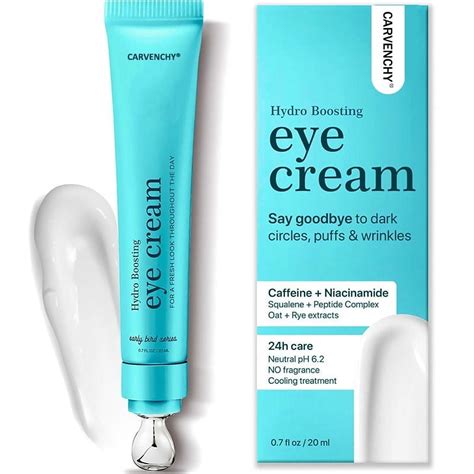
- Caffeine: Helps constrict blood vessels, which can reduce the appearance of darkness caused by visible blood vessels. It also helps decrease puffiness.
- Vitamin K: Sometimes included to improve circulation, which may help lessen dark circles.
- Licorice Root Extract: Known for its skin-brightening properties.
For Puffiness:
- Caffeine: Helps to constrict blood vessels and reduce fluid accumulation, leading to a depuffing effect.
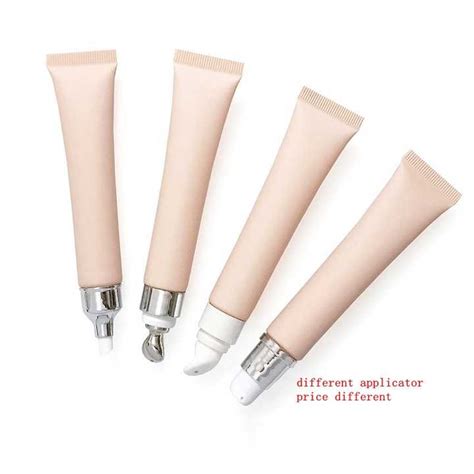
- Cooling Applicators: Many eye creams feature ceramic or metal tips that provide a cooling sensation, which can help reduce swelling.
- Ginseng: Known for its anti-inflammatory properties.
For Dryness and Sensitivity:
- Avocado Oil and Shea Butter: Rich emollients that provide intense nourishment and hydration.
- Sodium PCA: A potent humectant that helps quench dry skin.
- Chamomile: Offers anti-inflammatory benefits, soothing sensitive skin.
- Green Tea Extract: Provides antioxidant and anti-inflammatory benefits.
- Witch Hazel: Can have a soothing and anti-inflammatory effect.
How to Apply Eye Cream
Proper application is crucial to maximize the benefits of your eye cream and avoid irritation. Follow these steps:
- Use your ring finger: This finger has the gentlest touch, which is ideal for the delicate under-eye area.
- Dispense a pea-sized amount: A small amount of product is sufficient for both eyes.
- Gently tap: Apply small dots of cream under the eyes, starting from the innermost corner and moving outwards. Avoid applying the cream too close to your bottom eyelashes or directly on the eyelid unless specified by the product.
- Pat, don't rub: Gently pat the product into your skin until absorbed. Avoid dragging or rubbing the skin.
- Allow absorption: Wait at least two minutes for the cream to fully absorb before applying other skincare products or makeup.
It's generally recommended to apply eye cream before your regular moisturizer and sunscreen, as eye creams are typically lighter in consistency. Avoid using too much product, as it can cause irritation if it enters the eyes.
When to Start Using Eye Cream
Dermatologists often recommend starting to use eye cream in your mid-20s. This is typically around the age when the skin begins to lose noticeable amounts of collagen and its ability to retain moisture, making it more susceptible to the first signs of aging. Younger individuals may benefit from lighter, gel-like textures, while those in their 30s might opt for slightly richer creams containing ingredients like retinol, peptides, and vitamin C. For individuals in their 40s, creamier, richer formulations with higher concentrations of retinol, peptides, and antioxidants can provide maximum line-smoothing and plumping benefits.
Eye Cream vs. Face Moisturizer
While both eye creams and face moisturizers hydrate the skin, they are formulated differently. Eye creams are specifically designed for the thinner, more sensitive skin around the eyes. They often contain a higher concentration of active ingredients and are formulated to be gentle, avoiding pore-clogging ingredients that can lead to milia. Face moisturizers, on the other hand, can be heavier and may contain ingredients that are too harsh or irritating for the delicate eye area, potentially causing puffiness or milia.
Understanding Eye Cream Effectiveness and Myths
Eye creams are not a magic bullet that will "erase" all signs of aging, but they can significantly reduce the appearance of wrinkles, fine lines, dark circles, and puffiness. Consistent use over time, rather than expecting instant results, is key to achieving noticeable improvements. It's important to choose a product suited to your specific concerns and skin type, and to discontinue use if irritation occurs, even if consistency is generally advised.
Common Myths:
- Myth: Eye creams erase all aging signs. While they can diminish the appearance of aging signs, they don't eliminate them entirely.
- Myth: They are just expensive moisturizers. Eye creams have specialized formulations for the delicate eye area, unlike general face moisturizers.
- Truth: Consistency matters more than instant results. Visible results typically appear within a few weeks of regular, consistent use.
How to apply eye cream correctly
Choosing the Right Eye Cream for Your Needs
The best eye cream for you depends on your individual concerns, skin type, and desired results. Consider the following:
- Skin Type: For sensitive or acne-prone skin, opt for fragrance-free, oil-free, and non-comedogenic formulas. Dry skin benefits from thicker, more hydrating creams. Oily skin may do well with lighter gel-based formulas.
- Specific Concerns: If wrinkles are your primary concern, look for retinoids, peptides, and AHAs. For dark circles, seek out ingredients like Vitamin C, niacinamide, and caffeine. Puffiness can be addressed with caffeine and cooling applicators.
- Lifestyle and Environment: Consider using an eye cream with SPF during the day to protect against sun damage. In dry climates, prioritize hydrating ingredients.
Reading product reviews and consulting with a dermatologist can help you make an informed decision.
Maximizing Eye Cream Benefits
Beyond using the right product, maximizing the benefits of eye cream involves:
- Proper Application: Gentle patting is key.
- Healthy Lifestyle Habits: Adequate sleep, stress management, staying hydrated, avoiding smoking, and limiting salt intake contribute to healthier-looking skin overall.
- Sun Protection: Wearing sunglasses that block UVA and UVB rays and hats can further protect the delicate eye area from sun damage and premature aging.
If persistent eye concerns do not improve with topical treatments, consulting a dermatologist about medical solutions such as Botox, dermal fillers, chemical peels, laser resurfacing, or blepharoplasty may be an option.