Cupuaçu butter, scientifically known as Theobroma grandiflorum, is a rich emollient derived from the seeds of the Cupuaçu fruit, a relative of the cacao tree native to the Amazon rainforest. This fast-absorbing butter is prized for its ability to deeply moisturize and repair dry, aging, or damaged skin.

One of Cupuaçu butter's key properties is its capacity to regulate the skin's water balance and support the lipid layer's activity. It effectively hydrates the skin, preventing dehydration and helping to repair and strengthen the skin's moisture barrier. This contributes to smoother, softer skin and helps restore elasticity, making it beneficial for tired or sagging skin.
Cupuaçu Butter vs. Other Butters
The main distinction between Cupuaçu butter and cocoa butter lies in their fatty acid profiles. Cocoa butter has a higher concentration of stearic acid, whereas Cupuaçu butter boasts a greater percentage of oleic acid. Oleic acid is renowned for its emollient properties, providing an immediate soothing effect on dry skin.
While shea butter shares some similarities with Cupuaçu butter, such as moisturizing and antioxidant compounds, it contains a significant amount of non-soluble matter. This can make shea butter feel heavier on the skin compared to Cupuaçu butter, which is entirely water-soluble. Consequently, Cupuaçu butter contributes to a lighter feel in skincare formulations.
The Comedogenic Rating of Cupuaçu Butter
When considering skincare ingredients, understanding their potential to clog pores is crucial. This is where the comedogenic rating comes into play. The comedogenic scale ranges from 0 (won't clog pores) to 5 (will clog pores significantly). Ingredients with compounds that get trapped in pores, along with dirt and bacteria, can lead to breakouts.
Cupuaçu butter has a comedogenic rating of 4. This indicates that it has a moderate likelihood of clogging pores, particularly for individuals with acne-prone skin. While Cupuaçu butter absorbs well into the skin, its comedogenic rating is an important factor to consider, especially for those prone to breakouts.
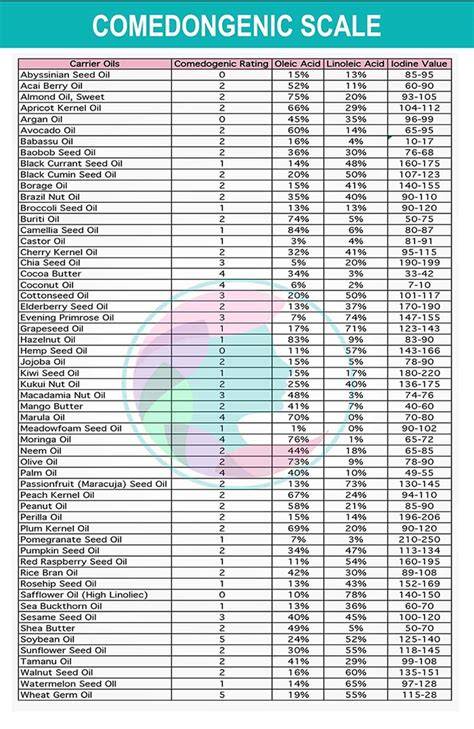
Understanding Comedogenic Ratings in Skincare
The comedogenic scale serves as a guideline to help consumers identify ingredients that may cause pore blockages. When examining ingredient lists, paying attention to the comedogenic ratings of carrier oils and butters is recommended. Generally, products with oils and butters rated below 2 are considered less likely to clog pores. Ingredients rated 3 or higher warrant closer attention, especially if they appear high on the ingredient list.
Some products may carry a "non-comedogenic" label. While not universally standardized, this label suggests that manufacturers have formulated the product to minimize pore-clogging potential. However, it is always advisable to scrutinize ingredient lists carefully, as complex formulations can contain a mix of both low and high comedogenic ingredients.
Key Considerations for Choosing Skincare Ingredients:
- Skin Type: Always consider your skin type when selecting skincare ingredients.
- Fatty Acid Profile: Oils rich in linoleic acid (e.g., grapeseed, rosehip, hemp seed oil) help regulate sebum production and are less likely to clog pores. Oils high in oleic acid (e.g., olive, avocado, sweet almond oil) are excellent for dry skin.
- Antioxidants and Regenerative Properties: Ingredients like rosehip and pomegranate seed oil benefit mature skin.
- Label Scrutiny: Be wary of vague claims like "dermatologist-recommended," "hypoallergenic," and "fragrance-free." Prioritize reading ingredient lists and understanding what each ingredient does.
Skincare is highly personal, and what works for one individual may not work for another. Understanding the comedogenic scale and matching ingredients to your skin's unique needs is key to maintaining healthy and happy skin.
What Causes Acne and How To Treat It - Dermatologist Perspective
tags: #cupuacu #butter #comedogenic #rating