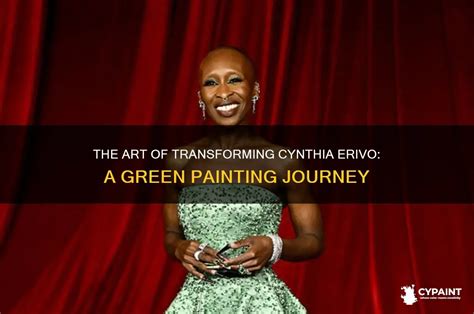
The creation of Elphaba's iconic green complexion for the Wicked films was a meticulous and challenging process, involving a dedicated team of makeup artists who aimed to balance the character's fantastical appearance with a sense of naturalism. Makeup artists Alice Jones and Olivia Jerrard, who spent up to three hours daily transforming Cynthia Erivo into the Emerald City's future resident, described their work as a demanding yet rewarding endeavor.
Achieving Elphaba's Green Hue: A Daily Ritual
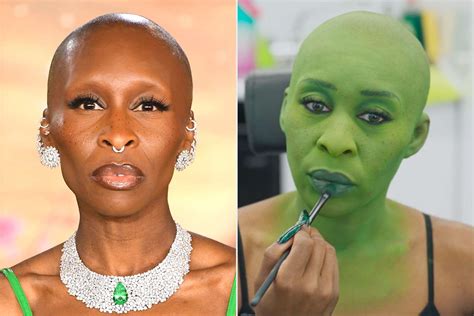
The transformation began in the early hours, with artists starting their day at 3:00 AM to ensure Erivo was ready for filming. This extensive process included covering the actor's tattoos and piercings, followed by layering and airbrushing various shades of green onto her skin. The application of Erivo's makeup, prosthetics, wig, and nails simultaneously was likened to a game of "twister" due to the intricate coordination required.
Evolution of Elphaba's Makeup Across the Films
The artistic vision for Elphaba's makeup evolved significantly between the two films. For Wicked (Part One), the goal was to emphasize Cynthia Erivo's character's "bright-eyed innocence." In contrast, Wicked: For Good (Part Two) required a makeup approach that reflected a darker, more mature, and powerful Elphaba. This shift was achieved by incorporating darker tones into the makeup, which visually communicated her character's journey and internal state.
Ms. Jones elaborated on this evolution: "For part two, the story itself is much darker. Her character journey, she is in a much darker place, she is also in a more powerful place and she's more mature. All that darkness in the make-up helped reflect her power, darkness and maturity."
The Challenge of Practical Effects Over CGI
Cynthia Erivo herself expressed a strong preference for practical makeup effects over CGI for her green skin. She stated, "I had the choice of whether to be green or to have it CGI, and I wanted it to be practical. I wanted people to see Elphaba as more than just the green girl. I wanted to look back at her reflection and see a green woman in front of me." Erivo emphasized the importance of texture, noting the inclusion of details like freckles and tonal variations to make the green skin appear as natural as possible, reflecting the character's essence.
Developing the Perfect Shade of Green
Finding the right shade of green that would appear consistent under various lighting conditions presented a significant hurdle for makeup designer Frances Hannon. "I found the green that worked in the skin tone, but I couldn’t make it work in all the different lights," Hannon shared. While the makeup looked beautiful indoors, it could appear gray outdoors and even blue in direct sunlight.
The solution came from a discontinued "cream eyeshadow" product. Makeup manufacturer and developer David Stoneman ingeniously extracted a neon yellow base from the eyeshadow and added it to the green shade, creating the "perfect shade" that remained true in all lighting. This innovative approach allowed for a thin application that was both effective and durable.
Hannon explained the application process: "We airbrushed the very fine green on. We contoured and powdered and sealed if we needed to." The daily makeup process in the trailer typically took about two and a half hours. Furthermore, the intensity of the green makeup was adjusted to signify Elphaba's progression, with her lips, eyes, and nails becoming progressively darker as her power grew.
Wicked | A Day In The Life of Cynthia Erivo
Incorporating Erivo's Unique Vision
Cynthia Erivo was deeply involved in shaping the visual identity of her character, from her micro-braided wig to her elaborate nails. She noted the influence of the original Wicked Witch's long nails and aimed to create a visual progression that mirrored Elphaba's growth as a witch and a woman. For Erivo, like many, having her nails done is a form of personal expression, akin to wearing makeup.
Ms. Jerrard highlighted the specific challenges posed by Erivo's 25 ear piercings, which needed to be concealed daily. Removing and reinserting them was deemed too time-consuming, leading to the use of prosthetics to cover them. "I have applied loads of ears and prosthetics but I have never applied them on top of piercings," Ms. Jerrard commented, underscoring the unique nature of this aspect of the makeup application.
The Impact of Practical Makeup on Performance
The decision to use practical makeup, rather than CGI, was central to Erivo's approach to embodying Elphaba. She desired a tangible, textured appearance that allowed her to see and feel the character's transformation. This commitment to practical effects extended to the meticulous detail in the makeup, including the green eyes, which were intended to reflect the character's inherent nature.
The makeup artists, Jones and Jerrard, emphasized the importance of efficiency on set. "On set it can be very serious… there's a lot at stake for a lot of departments. You don't want to waste time, you don't want to hold camera up, you don't want to be holding Cynthia's performance up," Ms. Jerrard stated. This understanding of the production's demands fueled their dedication to perfecting the makeup process.
Filming Locations and the Magic of Oz
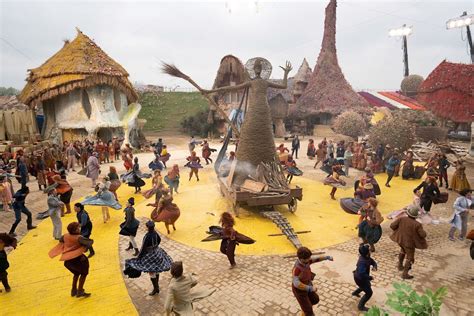
Parts of the Wicked films were shot at Sky Studios Elstree in Borehamwood, Hertfordshire, and Ivinghoe, Buckinghamshire, between December 2022 and January 2024. Ms. Jones marveled at the transformation of Ivinghoe into various iconic Wicked locations, including Munchkinland, the Emerald City, and Shiz University. The rapid construction of the Emerald City was particularly striking, appearing almost overnight.
The production experienced a hiatus due to strikes, during which significant portions like the "Defying Gravity" sequence had not yet been filmed. The return to filming after the strikes was met with enthusiasm, offering a welcome anticipation for completing the project.
Rewarding Fan Reactions and Artistic Sacrifice
For Olivia Jerrard, the most rewarding aspect of the entire process has been the fans' reaction to the films and the makeup. She reflected on the immense sacrifice involved in working in film, noting the long hours and personal concessions made by the crew. "The sacrifice is so big for people who work in film. We sacrifice so many hours, we give so much up… it's not just that you're getting the recognition for just the art, you get it more for the sacrifice. You feel more emotional about that element," she shared.
Alice Jones also noted the increasing prevalence of major Hollywood productions being filmed around London, a trend that offers significant opportunities for local crews. She recalled joining the Wicked team after working with Erivo on an independent film in Greece. Ms. Jerrard's involvement began with testing for the Munchkin characters before transitioning to prosthetic work for the film.
The dedication to bringing Elphaba to life through practical, detailed makeup underscores the artistry involved in filmmaking and the profound impact of transformative character design. Cynthia Erivo's green makeup is not just a visual element but a crucial component in portraying the depth and evolution of Elphaba's character.