It can be frustrating to see breakouts on your skin as an adult, considering they are most frequent among adolescents. Hormonal acne, often referred to as adult acne, occurs due to changes in your hormone levels. Breakouts are triggered when excess oil (sebum) clogs your pores. Hormonal acne may appear as various types of pimples, including whiteheads or cysts. Hormonal acne results from an overproduction of sebum in your skin's oil glands. Hormonal acne is quite common, especially among women. Adult acne affects about 50% of women in their 20s and can persist into the 30s, 40s and even 50s. Hormonal acne may be confused with common acne, or acne vulgaris, since pimples look the same. Fluctuating hormone levels - especially an increase in androgens - can lead to higher oil production in the skin, causing acne. A dermatologist diagnoses hormonal acne by examining your skin, reviewing your medical history and discussing your symptoms. Sharing lifestyle factors, such as your diet and skincare routine, can also help with your diagnosis. The goal of treatment is to manage your hormone levels and prevent future breakouts. Your treatment approach depends on the cause, type and severity of your acne. To help cure hormonal acne naturally, avoid squeezing or picking at your acne, as this can worsen your condition. This is especially true if you have cysts and nodules.
The Link Between Ovulation and Acne
Have you ever wondered why your skin flares up at a certain time of the month? It turns out that acne is closely linked with hormonal changes. Shifts in hormone levels during the menstrual cycle can cause acne breakouts during ovulation or around our period. Acne is one of the most common skin conditions, and it affects as many as 80% of people at some point in their lives. One major cause of acne is hormones, and more specifically hormonal changes. When it comes to adults, acne is more common in women compared to men. The fact that our hormone levels change during the menstrual cycle is likely at least partly responsible for these skin changes. As many as 85% of women with acne experience worse breakouts during the days leading up to their period.
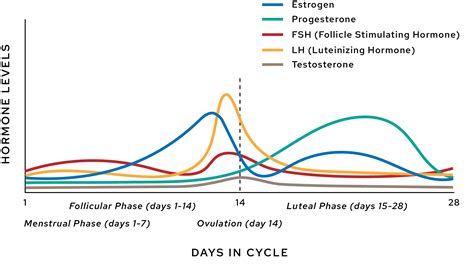
The menstrual cycle is regulated by our sex hormones, mainly estrogen and progesterone, and the biggest hormonal shifts happen around ovulation and menstruation. During the first part of the menstrual cycle (the follicular phase), estrogen levels are on the rise, while at the same time, progesterone levels are lower. Around ovulation, our hormone levels shift. There’s a peak in androgen levels (specifically testosterone). This stimulates the production of sebum, which can lead to acne breakouts. The second phase of our cycles is called the luteal phase, and it’s characterized by higher levels of progesterone. It’s common to experience breakouts before our period, and it’s thought that this is caused by the ratio of different hormones shifting. It’s also likely that higher levels progesterone at this time in the cycle can lead to acne since progesterone can stimulate sebum production.
If you've ever noticed that your skin breaks out like clockwork during a specific time of the month, it might be ovulation to blame. Pimples during ovulation are not uncommon, and the culprit is usually hormones. Pimples during ovulation are triggered by hormonal shifts, particularly increased testosterone and progesterone. The menstrual cycle is driven by hormones, primarily estrogen, progesterone, and androgens like testosterone. Ovulation, the mid-point of your cycle, is a time of significant hormonal shifts. In the first half of the cycle (follicular phase), estrogen levels gradually increase, which helps to maintain skin hydration and support collagen production. During ovulation, estrogen peaks, and testosterone levels rise as well. Increased testosterone, a type of androgen, stimulates the sebaceous (oil) glands to produce more sebum, an oily substance that protects the skin. Unfortunately, too much sebum can clog pores and lead to pimples. After ovulation, progesterone levels also rise. Moreover, the increased levels of both estrogen and progesterone can influence water retention, making the skin more sensitive and prone to inflammation during this time. The fluctuation in hormone levels during ovulation can throw your skin’s balance off. These combined effects lead to the perfect environment for acne to develop.
Understanding Hormonal Acne
Hormonal acne is a term that’s commonly mentioned online, but it’s actually not completely straightforward to differentiate between “hormonal acne” and “regular acne,” since all acne is related to hormones to some degree. However, adult acne (especially female adult acne) is often referred to as hormonal acne, likely because hormones play such a big role in this condition.
Characteristics of Ovulation Acne
Hormonal acne, especially related to ovulation, often presents itself differently from other forms of acne:
- Location: Around the jawline, chin, and sometimes the neck.
- Type: Deep, cystic pimples are more common during ovulation. They may be painful and take longer to heal.
- Timing: If you notice a pattern of breakouts occurring mid-cycle or during ovulation, it’s a sign they are hormone-related.
Treatments for Ovulation Acne
Acne can be a difficult condition to have, and some of us might feel that our confidence is affected by outbreaks. There are many ways of treating acne, so let’s walk through some common ones. It’s always good to discuss with your doctor before starting any treatment to make sure it’s the right fit for you.
Medical Treatments
1. Hormonal Therapies
Hormonal contraceptives like the combination birth control pill can be used to manage acne. It works by stopping ovulation, which means that the menstrual cycle is “on pause” and you won’t get the hormonal shifts that are associated with the different cycle phases. The combination pill also inhibits the androgen production that happens around ovulation, which can help reduce acne. However, if you decide to come off the hormones, the symptoms may return. It’s also common to experience acne as a result of stopping hormonal birth control even if you haven’t had acne before, although that should go away once the body gets back to its usual hormonal balance. Some hormonal birth control methods, like the hormonal IUD, have also been linked with acne, so if you’re thinking about birth control and are worried about skin changes, it’s good to bring it up with your healthcare provider.
Spironolactone is a medication that works by reducing the androgens that trigger sebum production (oily buildup in the skin) and is especially effective for those with inflammatory acne. Oral contraceptives can be used alone or in combination with other therapies to treat acne in women.
2. Topical and Oral Medications
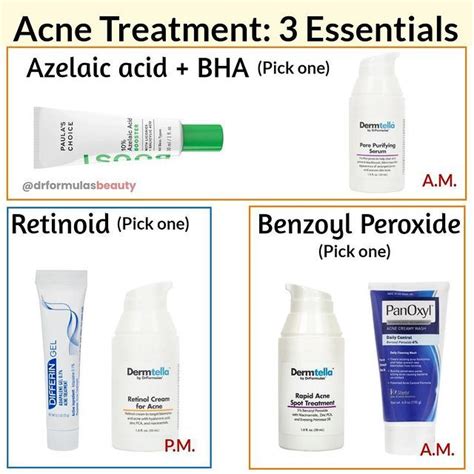
Retinoids are a type of chemical compounds that are derived from vitamin A. These come in many forms (for example, creams and gels), and they can be used to treat ongoing outbreaks and help prevent new ones. Retinoids have been shown to be effective for treating acne by helping to normalize the skin’s oil production, as well as treat bacteria and inflammation that lead to acne. Benzoyl peroxide is often combined with topical antibiotics and helps kill acne-causing bacteria and reduce inflammation.
In some cases, your doctor may prescribe topical antibiotics (that you put on your skin) to treat acne, which works by killing the bacteria that can cause acne. Antibiotics are usually part of a bigger treatment plan that includes other medications as well.
Isotretinoin is a prescription medication used to treat severe acne, the kind that causes painful cysts or nodules.
Natural Remedies
There are also some natural remedies that may help reduce breakouts. We’re all different, and while these may work for some, they may not be right for others.
- Tea tree oil is an essential oil that has both anti-inflammatory and antibacterial properties, and it’s commonly used as a natural acne remedy. Research into the use of tea tree oil in acne treatment has shown some promising results, and it does seem to reduce outbreaks. However, more studies are needed to understand more about how to safely use it and how effective it is.
- Alpha-hydroxy acids (AHAs) is a group of acids derived from different animal and plant sources. AHAs are used in many different skincare products, like creams or serums, and are perhaps most widely known for their use in anti-aging creams. However, products with AHAs can also be used to treat acne since they exfoliate the skin, which prevents the pores from becoming clogged and helps reduce inflammation.
- Green tea might not be the first thing that comes to mind when thinking about acne or even skincare in general, but there is actually some research suggesting that green tea may have some positive effect on the skin, both in the form of tea lotion and when ingested. Green tea contains polyphenols (antioxidants) that may help reduce inflammation and acne outbreaks.
- Zinc supplements are known for their anti-inflammatory properties and can help manage acne by regulating oil production and reducing bacteria growth.
Lifestyle and Skincare Adjustments
There are a lot of myths about acne and what causes it, and some of those relate to food. It’s difficult to point out specific foods that are connected to acne, but there is some evidence that suggests the glycemic index (GI) in our diet does have some impact. In short, GI refers to how much a food item raises blood sugar. One review article concluded that a diet with a high glycemic index (GI) could potentially make acne worse, while a low-GI diet may improve it. Food items that fall into the high-GI category tend to contain a lot of refined carbs or sugar. Dairy is another type of food that’s often mentioned when talking about acne. Research has found that dairy may worsen acne in younger people who also eat a Western diet (food that’s typically consumed in the US, Europe, and Australia), which likely means that there’s more to it than just the dairy itself. When it comes to diet, it’s important to remember that we’re all different, so some of us might notice breakouts after eating certain foods while others don’t.
Skincare Routine Adjustments
During ovulation, opt for gentle cleansers and oil-free moisturizers. Avoid heavy products that can clog pores. Incorporate ingredients like salicylic acid to help keep pores clear.
Diet and Hydration
A low-glycemic diet may reduce acne severity, while high-glycemic foods (sugars and refined carbs) could make it worse. Drinking plenty of water helps to flush toxins from the body, keeping your skin hydrated and improving its overall health.
Stress Management and Sleep
Stress can exacerbate hormone-related acne by triggering the release of cortisol, another hormone that impacts sebum production. Poor sleep can disrupt hormone production, contributing to stress and potential acne flare-ups.
Tailoring Skincare to Your Cycle
So far, we’ve covered how hormonal fluctuations during the menstrual cycle can affect acne, and some different acne treatment options. Luckily, we can also use what we know about hormone levels during the menstrual cycle to our advantage and incorporate this into our skincare routine.
- Follicular Phase: Your cycle starts at the beginning of your period. At this point, skin tends to be dry, as levels of both of the sex hormones, progesterone and estrogen, are low. As your period ends, your body starts producing estrogen again. This plumps the skin and promotes collagen production, making the skin appear strong and healthy. We’re usually less sensitive to pain during this stage in our cycle, so it’s a good time to carry out hair removal if it’s part of your routine. Use hydrating serums and lightweight moisturizers. Estrogen levels are rising, making this a great time for treatments that enhance glow and hydration.
- Ovulation: You may feel on top form during the fertile window. As well as feeling great, your skin is likely to appear stronger and healthier as collagen levels remain high. While some of us may glow, others may get some pimples at this point as skin is prone to becoming a little oilier. As sebum production increases, keep your skin clean without over-drying it. Use a salicylic acid cleanser to prevent clogged pores.
- Luteal Phase: After ovulation, higher levels of progesterone increase the production of sebum, which makes the skin more oily and can make us more prone to breakouts during the luteal phase leading up to your period. Skin tends to become oilier due to increased progesterone. Incorporate clay masks and spot treatments to manage excess oil.
- Menstrual Phase: Retaining water in the lead-up to your period is fairly common. For many of us, our skin looks puffier during this time. The cravings that come with PMS can also mean we tend to indulge in less healthy options, which in turn can have an impact on our complexion. Skin may become drier as estrogen and progesterone drop. Focus on repairing the skin barrier with gentle, moisturizing products.
The Menstrual Cycle Explained: A Guide to the 4 Phases & Hormones
When to See a Dermatologist
If over-the-counter treatments and lifestyle changes do not help manage your ovulation acne, consider seeing a dermatologist. Medical treatments like hormonal therapy, stronger topical retinoids, or even oral antibiotics might be necessary, especially for persistent cystic acne that doesn’t respond to other treatments.