If you're tired of shaving all the time but you don't want to face the pain of waxing, a hair removal cream might be the perfect fit for your grooming needs. Also known as depilatory creams, they’re quick, inexpensive, and easy to use.
Understanding How Depilatory Creams Work
Depilatory creams utilize a chemical reaction to remove unwanted hair. The primary active ingredients, such as thioglycolic acid (often in the form of calcium or potassium thioglycolates), work by breaking down the keratin protein that makes up your hair. This chemical process weakens the hair shaft at or just below the skin's surface, allowing it to be easily wiped away.
Unlike shaving, which cuts hair at the surface, or waxing, which removes hair from the root, depilatory creams work by dissolving the hair structure. This means that regrowth is typically faster than with waxing but slower than with shaving. Some users also report that the regrown hair may appear finer.
The Chemistry Behind Hair Removal Creams
The active ingredients in depilatory creams, such as thioglycolates, target the disulfide bonds within the keratin protein of the hair. This chemical action effectively severs the hair's protein bonds, leading to the dissolution of the hair shaft. Many formulations also include botanical oils and moisturizing agents to help counteract the drying effects of the chemicals and soothe the skin during the process.
Benefits of Using Depilatory Creams
Depilatory creams offer several advantages over other hair removal methods:
- Painless Application: For most individuals, depilatory creams provide a pain-free hair removal experience, which is a significant benefit compared to waxing or plucking.
- User-Friendly: The application process is straightforward. You simply apply the cream, wait for the specified time, and wipe it away.
- Convenience and Accessibility: These creams are readily available at most drugstores and pharmacies, making them an accessible at-home hair removal option.
- Affordability: Compared to professional waxing or laser treatments, depilatory creams are a more budget-friendly choice.
- Gentler than Shaving: While both are pain-free, depilatory creams may cause less irritation and fewer skin lesions than shaving, which can sometimes lead to nicks and cuts.
- Longer-Lasting Results than Shaving: Because the hair is dissolved at or just below the skin's surface, the results typically last longer than shaving.

How to Use Depilatory Creams Effectively
To ensure a safe and effective hair removal experience, follow these steps:
- Preparation: Ensure your skin is clean and dry. Avoid applying lotions, perfumes, or antiperspirants to the area before use, as these can interfere with the cream's effectiveness. Soaking in warm water can also help soften the hair, potentially aiding in its breakdown.
- Patch Test: This is a crucial step, especially if you're using a new product or have sensitive skin. Apply a small amount of the cream to an inconspicuous area of your skin (e.g., a small patch on your inner arm or leg) and wait for the recommended time, then rinse. Wait 24 hours to check for any signs of redness, itching, burning, or irritation. This helps minimize the risk of a bad reaction or developing a rash or chemical burn.
- Application: Apply the cream in an even, thick layer, ensuring it completely covers the hair you wish to remove. Use your fingers or a spatula if provided.
- Timing: Leave the cream on for the duration specified in the product's instructions. This can range anywhere from three to ten minutes, depending on the product and hair thickness. Most directions recommend checking a small area halfway through the process to see if the hair is coming off easily.
- Removal: Gently wipe the cream off with a soft cloth or the provided spatula, moving in the opposite direction of hair growth. Do not rub or scrub the area.
- Rinsing: Thoroughly rinse the treated area with lukewarm water to remove all traces of the cream and dissolved hair.
- Aftercare: Pat the skin dry gently. Apply a fragrance-free, gentle, and calming moisturizer to protect and soothe the skin. Avoid wearing tight clothing immediately after use, and refrain from scratching the area.
Hair Removal Tutorial - How to Use Depilatory Creams at Home for Best Results
Areas of Use and Precautions
Depilatory creams can be used on various parts of the body, including legs, arms, underarms, and the bikini area. However, it is critical to use products specifically formulated for the intended area, especially for sensitive regions like the face and bikini line.
Areas to Avoid
Never apply a hair removal cream to:
- Nostrils
- Ears
- The skin around your eyes (including eyebrows)
- Genitals
- Anus
- Nipples
Using creams not designed for these areas can lead to severe irritation or chemical burns.
When to Avoid Depilatory Creams
Depilatory creams may not be suitable for everyone. You should avoid using them if you have:
- Sensitive skin
- Compromised skin (e.g., sunburn, open wounds, acne)
- Skin conditions such as rosacea, eczema, or psoriasis
- Are using products that make your skin more sensitive, like retinoids or retinols
Potential Risks and Side Effects
While generally safe when used as directed, depilatory creams can have potential side effects:
- Chemical Burns: Leaving the cream on for too long or using it on sensitive areas can result in first-, second-, or even third-degree chemical burns. If you experience stinging or burning, remove the cream immediately and rinse with cool water.
- Skin Irritation and Redness: Some individuals may experience mild tingling, redness, or discomfort. If irritation persists or worsens, consult a doctor.
- Odor: Many depilatory creams have a distinct smell, often described as similar to rotten eggs, due to the chemical reaction. Manufacturers are working to improve this aspect.
- Hyperpigmentation: Skin irritation or chemical burns can sometimes lead to post-inflammatory hyperpigmentation (PIH), especially in darker skin tones.
- Temporary Effects: Depilatory creams provide a temporary solution, with hair typically growing back within three to seven days.
- Ingrown Hairs: Although less common than with other methods, depilatory creams can occasionally affect hair follicles, leading to ingrown hairs.
- Sun Sensitivity: The treated area may become more sensitive to the sun or UV rays. It's advisable to use sunscreen on these areas after hair removal.

Depilatory Creams vs. Other Hair Removal Methods
When choosing a hair removal method, consider your personal preferences and needs:
- Shaving: Quick and easy, but results are short-lived, and it can cause nicks, cuts, and razor bumps.
- Waxing: Provides longer-lasting results by removing hair from the root, but it can be painful and may cause ingrown hairs.
- Laser Hair Removal: A more permanent solution, but it's expensive and requires multiple sessions.
- Depilatory Creams: A pain-free, affordable, and convenient at-home option with results lasting longer than shaving but shorter than waxing.
The best choice varies from person to person, depending on factors like pain tolerance, desired duration of smoothness, and budget.
Specific Product Considerations
When shopping for depilatory creams, pay attention to:
- Formulations for Sensitive Skin: Look for products enriched with soothing ingredients like aloe vera, vitamin E, chamomile, or shea butter.
- Targeted Areas: Ensure the cream is labeled for the specific body part you intend to use it on (e.g., face, bikini, legs).
- Scent: Some creams have improved, pleasant fragrances, while others may retain a stronger chemical odor.
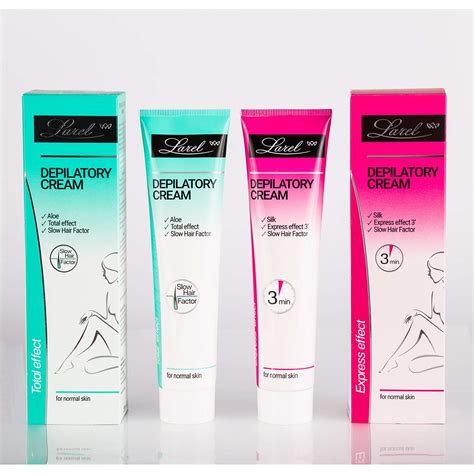
Examples of highly-rated depilatory creams include Flamingo Body Hair Removal Cream, Veet Gel Cream Hair Remover for Sensitive Skin, and Nair Hair Remover Beauty Treatment Charcoal Clay Leg Mask.
Frequently Asked Questions
Does hair grow back thicker after depilatory cream?
No. Depilatory creams only weaken or melt the hair shaft. They do not affect the hair follicles or alter the hair's growth pattern, so hair does not grow back thicker.
How long do depilatory creams last?
The smooth results typically last for about three to seven days, depending on your hair's thickness and growth rate. Hair may regrow faster than with waxing but slower than with shaving.
Is depilatory cream safe during pregnancy?
Generally, yes. Depilatory creams contain chemicals like thioglycolic acid, but they are typically used for short periods and do not pose a significant threat. However, it's always best to consult with your doctor before using any new product during pregnancy.
tags: #depilatory #cream #for #legs