Achieving a dewy, radiant complexion is a common goal in skincare, and serums play a crucial role in delivering concentrated active ingredients. This article delves into the benefits of dewy skin serums and breaks down some of the key ingredients that contribute to their efficacy.
Understanding the Appeal of Dewy Skin
The term "dewy skin" refers to a complexion that appears hydrated, plump, and luminous, reminiscent of morning dew. This look is often associated with healthy, youthful-looking skin. Dewy skin serums are formulated to enhance this natural radiance by providing deep hydration, improving skin texture, and protecting against environmental stressors.
Key Ingredients and Their Benefits
The effectiveness of a dewy skin serum lies in its carefully selected ingredient list. Here are some of the common and beneficial components found in these formulations:
Hydrators and Humectants
These ingredients are essential for drawing moisture to the skin and retaining it, creating that plump, dewy effect.
-
Propanediol: This is a natural alternative to propylene glycol, often used in skincare for its moisturizing and solvent properties. It helps to enhance the penetration of other ingredients into the skin.
-
Panthenol (Pro-Vitamin B5): An easy-to-formulate and commonly used ingredient, panthenol is also known as pro-vitamin B5. Its primary function in skincare is to moisturize the skin. As a humectant, it helps the skin attract and retain water. Additionally, panthenol possesses anti-inflammatory and skin-protecting abilities, and studies suggest it can reduce irritation caused by other ingredients.
-
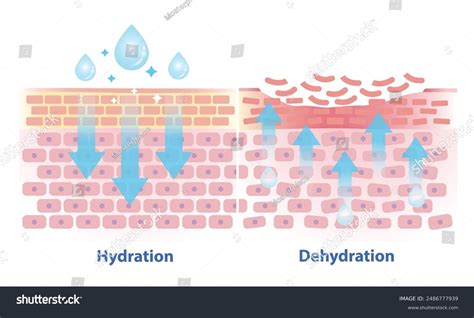
Aquaxyl: This moisturizing complex is composed of two water-binding plant sugars: glucose and xylitol. Aquaxyl optimizes water reserves by increasing natural moisturizing factors (NMFs) in the skin, such as hyaluronic acid and chondroitin sulfate, which are crucial for maintaining hydration. The hydrating effect of Aquaxyl has been demonstrated in comparative studies.
-
Glycerin: A classic humectant, glycerin is a highly effective ingredient for drawing moisture to the skin and keeping it hydrated. It is a natural corn sugar-derived glycol and is considered a skincare superstar with clinically proven anti-aging, skin lightening, anti-inflammatory, and barrier repair properties.
-
Sodium PCA: Pyrrolidone Carboxylic Acid, or PCA, is a naturally occurring component of the skin's NMFs. It plays a vital role in maintaining skin hydration and barrier function.
-
Water (Aqua): The most common skincare ingredient, water, is essential for hydration. The water used in cosmetics is purified and deionized, meaning most mineral ions have been removed to ensure purity and efficacy.
Antioxidants and Protective Agents
These ingredients help protect the skin from environmental damage and premature aging.
-
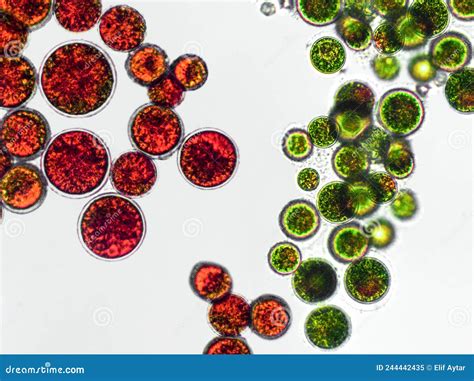
Haematococcus Pluvialis Extract (Astaxanthin): This microalgae is a rich source of astaxanthin, a potent antioxidant. Astaxanthin promises to protect against photodamage, thereby helping to delay skin photoaging. The extract is typically a red-colored oily liquid derived from the astaxanthin-accumulating cells of the algae.
-
Lutein: A fat-soluble carotenoid pigment found in dark green leafy vegetables and colorful fruits and vegetables, lutein possesses significant antioxidant properties when applied topically. It is believed to offer more than just simple antioxidant benefits.
-
Centella Asiatica (Gotu Kola/Cica): With a long history in folk medicine, Centella Asiatica has gained scientific attention for its numerous benefits. Its active compounds, particularly triterpenoid saponins like asiaticoside and madecassoside, stimulate the synthesis of glycosaminoglycans (GAGs), including hyaluronic acid. Madecassoside also aids in wound healing by enhancing collagen synthesis and antioxidant activity. Centella Asiatica is known for its wound healing, anti-inflammatory, and antioxidant properties.
Soothing and Strengthening Ingredients
These components help calm the skin and reinforce its natural barrier.
-
Allantoin: A commonly used soothing ingredient, allantoin can be found naturally in comfrey plant roots and leaves, though cosmetic versions are often synthetic. It not only soothes but also softens, protects the skin, and promotes wound healing.
-
Gluconolactone: This is the neutralized form of gluconic acid. It acts as an excellent chelating agent, neutralizing metal ions like iron and copper, which helps prevent product discoloration and oil rancidity. Gluconolactone can also function as a pH regulator and a humectant.
Texture Enhancers and Stabilizers
These ingredients influence the feel and stability of the serum.
-
Xanthan Gum: A very common thickener and emulsion stabilizer, xanthan gum is derived from fermented plant sugars. It is used to give products a more gel-like consistency when they are too runny. As a natural polysaccharide, it is often combined with other ingredients to achieve the desired texture without making the formula sticky.
Preservatives
Preservatives are crucial for maintaining the safety and shelf-life of cosmetic products.
-
Phenoxyethanol: Often referred to as the current "IT-preservative," phenoxyethanol is a widely used and gentle preservative. It has a good safety profile and is effective across a range of pH levels and temperatures. It is frequently used in conjunction with ethylhexylglycerin to enhance its preservative activity.
-
Ethylhexylglycerin: Commonly found alongside phenoxyethanol, ethylhexylglycerin is an organic compound that acts as a preservative booster and skin-conditioning agent.
pH Adjusters
These ingredients ensure the product's pH is suitable for the skin.
-
Sodium Hydroxide: Also known as lye, sodium hydroxide is a highly alkaline solid used in small amounts to adjust the pH of cosmetic products, particularly important for formulations like AHA/BHA exfoliants where precise pH is critical.
Aromatic Components
Some serums include pleasant scents derived from natural sources.
-
Citrus Aurantium Amara (Bitter Orange) Flower Water: Also known as Neroli Flower Water, this is the fragrant water derived from the flowers of the bitter orange tree. Like its essential oil, it contains numerous fragrant compounds and imparts a pleasant, sweet scent. Flower waters, or hydrosols, are generally diluted versions of essential oils from the same plant.