Dexeryl Cleansing Oil Fragrance-Free 1L (33.8floz) is formulated to gently cleanse very dry or atopic-prone skin. This shower oil not only hydrates but also soothes the skin thanks to a nourishing formula with non-irritating ingredients. Its formula contains hydrating and nourishing components, leading to improved skin hydration and a healthier skin barrier. Furthermore, it features mild surfactants and a physiological pH, ensuring excellent tolerance. This contributes to comforting and soothing feelings of discomfort associated with dryness or atopic-prone skin, such as itching. In fact, this cleansing oil has been shown to stop itching after 15 days, while soothing the skin from the first application. Importantly, this fragrance-free formula is suitable for the entire family, including application from birth. Its lightweight, oily texture makes it pleasant to use and creates a gentle lather that rinses off easily. Overall, this shower oil helps replenish lipids in very dry or atopic-prone skin, thereby maintaining a healthy skin barrier. Glycerin, a key ingredient, acts as an excellent emollient with the ability to retain water in the skin.
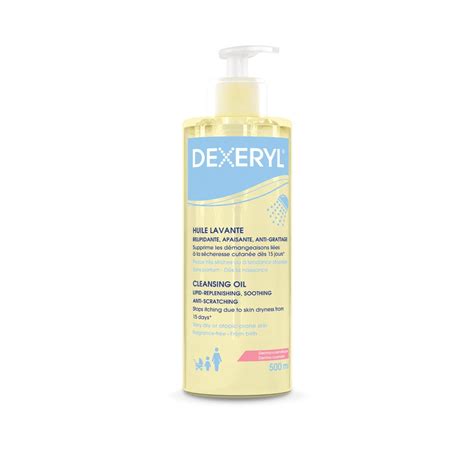
Understanding the Key Ingredients of Dexeryl Cleansing Oil
The effectiveness of Dexeryl Cleansing Oil lies in its carefully selected ingredients, each contributing unique benefits to the skin. Let's explore these components in detail:
Core Cleansing and Hydrating Agents
- Water (Aqua): This is the most common cosmetic ingredient, essential for life and also a crucial component in skincare. In cosmetics, water is purified and deionized, meaning most mineral ions have been removed. It serves as the primary solvent in many skincare products.
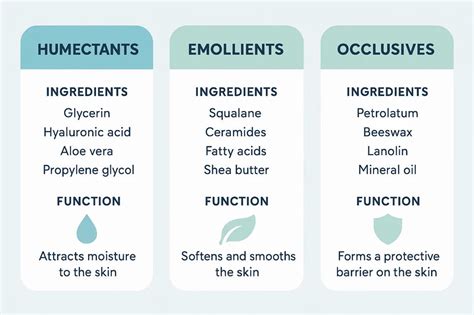
- Glycerin: Naturally present in the skin, glycerin is a powerful humectant that moisturizes and protects the skin by drawing moisture to it. A 2016 study indicated its effectiveness as a humectant, surpassing AHAs and hyaluronic acid. Its low molecular weight allows it to penetrate deeper skin layers, enhancing hydration and strengthening the skin barrier against irritants and bacteria. Glycerin also possesses antimicrobial and antiviral properties, making it useful in wound and burn treatments. In cosmetics, it is typically derived from plants like soybeans or palm, though animal sources are also possible. It is organic, colorless, odorless, and non-toxic. In American English, it is known as glycerin.
- Sodium Cocoamphoacetate: This is a clear, yellowish liquid that functions as a cleansing agent. It has an amphoteric structure, meaning its head contains both positive and negative charges, making it very mild with excellent foaming properties. It is derived from vegetable sources such as coconut/palm kernel oil and glucose, offering moderate to high stable foam and biodegradability.
- Coco-Glucoside: A surfactant or cleansing ingredient derived from glucose and coconut oil. Surfactants help to gather dirt, oil, and other pollutants from the skin for effective rinsing.
- Peg-7 Glyceryl Cocoate: Created from polyethylene glycol and fatty acids from coconut oil, this ingredient acts as an emulsifier, preventing oil and water separation. It also aids in rinsing away oils, dirt, and pollutants. However, it may not be fungal acne safe and can potentially dry out the skin.
- Sodium Lauroyl Methyl Isethionate: Another cleansing ingredient and surfactant that helps aggregate and rinse away dirt, oil, and pollutants.
- Peg-120 Methyl Glucose Dioleate: This sugar-based ingredient improves product texture and stability, acting as a thickener. It forms a thin film on the skin to trap moisture, contributing to hydration. It is considered safe for skincare, though research is limited. It is the polyethylene glycol ether of the diester of oleic acid and methylglucose, with "120" indicating an average of 120 moles of ethylene oxide.
- Pentylene Glycol: Typically used to thicken products, it also imparts a smooth, soft, and moisturizing feel. Naturally found in plants like sugar beets, its hydrophilic nature makes it a humectant, drawing moisture from the air to the skin and enhancing hydration. It can also serve as a mild preservative. Some individuals may experience mild eye and skin irritation.
Skin-Soothing and Protective Ingredients
- Glycyrrhetinic Acid: A compound found in licorice, it offers skin conditioning, soothing, antibacterial, and antioxidant properties. It is effective in calming inflammation and protecting the skin against UV-B induced damage.
- Tocopherol (Vitamin E): A common antioxidant that protects the skin from free radicals and strengthens the skin barrier. As a fat-soluble vitamin, it is readily absorbed by the skin, helping to maintain healthy natural skin lipids. It provides additional protection for the skin's lipid barrier and offers some UV protection against UVB rays, though it should not replace sunscreen. When combined with Vitamin C, it enhances the stability and effectiveness of both.
pH Adjusters and Stabilizers
- Citric Acid: An alpha hydroxy acid (AHA) naturally found in citrus fruits. While it can exfoliate by breaking down the bonds holding dead skin cells, this effect typically requires high concentrations (20%) not commonly found in cosmetics. In skincare, it's usually used in small amounts as a pH adjuster to maintain a slightly acidic pH compatible with the skin. Research suggests lactic acid and glycolic acid may be more effective and less irritating exfoliants. Citric acid is often produced by fermenting sugars.
- Sodium Hydroxide (Lye): Also known as lye or caustic soda, it is used in small amounts to adjust the pH of products, ensuring other ingredients function optimally. Its high alkalinity requires careful use, as large amounts can cause chemical burns. It was historically used in soap making.
- Trisodium Ethylenediamine Disuccinate: This chelating agent stabilizes products by preventing metal ions, which can enter via water, from binding to other ingredients and causing unwanted reactions.
Preservatives
- Sodium Benzoate: A preservative approved by regulatory bodies like the US FDA and EU Health Committee. It inhibits the growth of mold and bacteria by preventing cellular fermentation of sugars. It is typically synthesized and is found in various food products. Studies on its use in cosmetics, particularly in multi-step skincare routines, are limited.
Other Functional Ingredients
- Zinc Coceth Sulfate: A type of sulfate ingredient.
- Sodium Chloride: Often found in cleansers to create a gel-like texture and act as an emulsifier. There is ongoing debate about its comedogenic potential, with research still needed to clarify its effects on acne. Scrubs may use salt as a primary exfoliating agent.
How Dexeryl Cleansing Oil Works
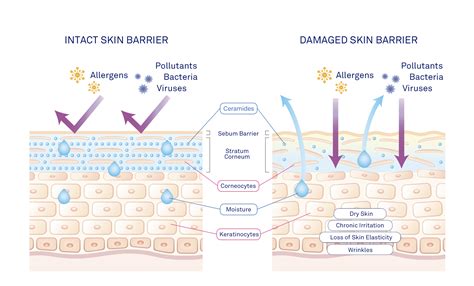
The unique formula of Dexeryl Cleansing Oil is designed to cleanse, hydrate, and soothe very dry and atopic-prone skin. Its mild surfactants and physiological pH ensure excellent tolerance, minimizing irritation and discomfort. The combination of hydrating and nourishing ingredients works synergistically to replenish the skin's lipid content and strengthen its natural barrier. This improved barrier function helps protect the skin from external aggressors and reduces moisture loss, alleviating symptoms like itching and dryness. The lightweight, oily texture transforms into a gentle lather upon contact with water, facilitating easy rinsing and leaving the skin feeling soft and comfortable.
How to Use Dexeryl Cleansing Oil
To use Dexeryl Cleansing Oil Fragrance-Free, apply it to damp skin and gently massage to create a lather. Rinse thoroughly with lukewarm water. This simple application process ensures effective cleansing and allows the beneficial ingredients to work their magic.