Corns and bunions are two distinct foot conditions that are often confused due to their shared symptoms of pain, pressure, and difficulty wearing shoes. While one affects the skin and the other involves bone and joint, misunderstanding the differences can lead to misinterpretation of symptoms and incorrect treatment. Understanding how each condition develops, the symptoms to look for, and the most effective treatment options is crucial for proper care and relief.
What is a Corn?
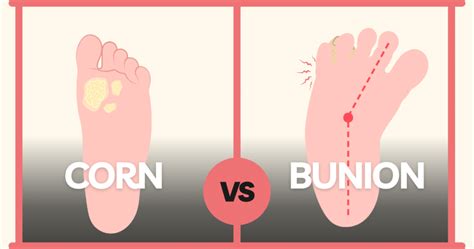
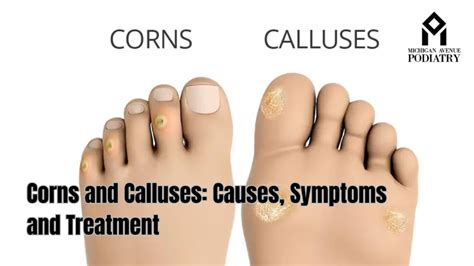
A corn is an area of thick, hardened skin that develops as a protective response to repeated pressure or friction. Unlike bunions, corns are superficial and do not involve the bone or joint. They form on the surface of the skin and are commonly found in several locations:
- Tops of toes
- Sides of toes
- Between the toes (soft corns)
- The bottom of the foot (seed corns)
Why Corns Develop
Corns form as the skin's natural defense mechanism against irritation. This irritation often stems from:
- Tight or narrow shoes
- High heels
- Toe deformities such as hammertoes or claw toes
- Abnormal gait patterns
- Repetitive friction or rubbing
Corns are particularly common when a shoe repeatedly rubs against a prominent toe joint or bony area. This constant rubbing leads to the skin thickening to protect itself.
Symptoms of Corns
Although corns may be small, they can cause significant discomfort. Key symptoms include:
- A small, hard bump of thickened skin
- Pinpoint, localized pain
- Tenderness when walking or wearing shoes
- Dry, flaky, or waxy skin over the affected area
Because they form where pressure is greatest, corns may appear on top of bunions, further contributing to the confusion between the two conditions.
What is a Bunion?
A bunion, medically known as hallux valgus, is a progressive deformity of the big toe joint. Instead of a skin lesion, a bunion occurs when the big toe shifts inward toward the second toe. This misalignment causes the joint at the base of the big toe to protrude outward, forming a visible bump.
Why Bunions Develop
Several factors can contribute to bunion formation, with genetics playing a significant role:
- Genetics (the strongest influence)
- Flat feet or unstable arches
- Joint hypermobility
- Tight or pointy footwear
- Arthritis
- Neuromuscular conditions
A key difference from corns is that bunions represent structural changes within the foot, not just thickened skin.
Symptoms of Bunions
Bunion symptoms typically progress over time and may include:
- A visible bump at the base of the big toe
- Aching or throbbing pain, especially after walking
- Redness or swelling around the joint
- Difficulty finding comfortable shoes
- Stiffness or reduced mobility in the big toe
Bunions can also lead to the development of calluses or corns because the protruding joint creates abnormal pressure and friction inside shoes.
Key Differences Between Corns and Bunions
Although both conditions can cause discomfort in similar areas of the foot, they are fundamentally different in their cause, appearance, and progression. This comparison highlights the distinctions:
| Feature | Corn | Bunion |
|---|---|---|
| Cause | Thickened skin due to friction or pressure. | Bone and joint misalignment at the base of the big toe. |
| Location | Tops, sides, or between toes; soles of feet. | Base of the big toe joint, causing a protrusion on the side of the foot. |
| Appearance | Small, hard or soft, localized area of thickened skin. | A bony bump or bulge at the base of the big toe; big toe may angle towards other toes. |
| Nature of Condition | A skin issue. | A structural deformity of the bone and joint. |
| Progression | Can recur if friction persists; generally does not worsen on its own. | Progressive; tends to worsen over time without intervention. |
| Pain Trigger | Direct pressure or friction on the corn. | Can be constant, especially with pressure from shoes; worsens with activity. |
What Causes Corns and Bunions on Feet?
While distinct conditions, corns and bunions often share contributing factors such as:
- Poorly fitting shoes
- Abnormal pressure on the toes
- Foot structure issues like flat feet or hammertoes
- Biomechanical imbalances during walking
The critical difference lies in the body's response: corns develop as the skin thickens in response to friction, while bunions occur due to the joint's misalignment, leading to a change in bone position.
Treatment Options
Treatment Options for Corns
Corns can often be managed with conservative care:
- Conservative Care:
- Wear wide, supportive shoes with ample toe room.
- Use protective pads or toe sleeves to cushion the affected area.
- Gently moisturize thickened skin.
- Use a pumice stone with caution to reduce thickness.
- Employ toe spacers to reduce rubbing between toes.
- Professional Care:
- Safe trimming and debridement of corns by a podiatrist (never attempt at home).
- Custom orthotics to reduce pressure points.
- Treatment for underlying hammertoes or toe deformities.
- Footwear recommendations from a professional.
Important: Avoid medicated corn pads unless advised by a healthcare professional. The salicylic acid in these pads can burn healthy skin, especially in individuals with diabetes.
Treatment Options for Bunions
Treatment for bunions ranges from non-surgical to surgical interventions:
- Non-Surgical Options:
- Wearing wider footwear.
- Using bunion pads or cushions to relieve pressure.
- Applying ice and anti-inflammatory measures for pain and swelling.
- Splints or toe spacers for mild cases to help with alignment.
- Custom orthotics to improve foot alignment and reduce pressure.
- Activity modification to avoid aggravating the condition.
- Surgical Options:
Surgery is the only method to permanently correct a bunion. It is typically recommended if:
- Pain persists despite conservative care.
- The deformity worsens significantly.
- Walking becomes difficult or significantly impaired.
- The toe joints become stiff or develop arthritis.
Modern bunion surgery techniques are precise, often leading to quicker recovery times and reduced postoperative discomfort. Many procedures are minimally invasive, allowing patients to walk and resume activities sooner.
Bunion and Bunionectomy with Osteotomy - 3D Animation
When to See a Podiatrist
It is advisable to schedule an evaluation with a podiatrist if you experience any of the following:
- Pain interferes with your daily activities.
- A corn repeatedly returns despite home care.
- A bump near the big toe gets larger or more painful.
- Finding comfortable shoes becomes increasingly difficult.
- There is noticeable swelling, redness, or signs of infection.
- You have diabetes or poor circulation, as these conditions increase risks for foot complications.
- You are unsure whether the problem is a corn, bunion, or another condition.
A podiatrist can accurately identify the root cause of your foot pain and develop a personalized treatment plan to prevent the problem from worsening.
Protect Your Foot Health with Proper Diagnosis
Corns and bunions may affect similar areas of the foot, but they require very different treatments. Early evaluation and accurate diagnosis are key to preventing chronic pain, recurring corns, or progressive bunion deformity. Seeking professional help ensures you receive the most effective care for healthier, more comfortable feet.