The efficacy and safety of skincare products, including whitening creams, largely depend on their ingredient composition. Understanding what goes into these products is crucial for consumers to make informed decisions about their skincare routines. This article delves into the common ingredients found in Disaar whitening creams, exploring their purported benefits and potential side effects.
Key Ingredients and Their Functions
Skincare formulations are complex mixtures designed to deliver specific benefits. The ingredients used in whitening creams often aim to address issues like hyperpigmentation, uneven skin tone, and dullness. Here's a breakdown of common ingredients and their roles:
Water (Aqua/H2O)
Water is the most ubiquitous ingredient in cosmetic products. In skincare, it acts as the primary solvent, dissolving other ingredients and forming the base of many formulations. The water used in cosmetics is typically purified and deionized to remove mineral ions, ensuring a cleaner and more stable product.
Emollients and Moisturizers
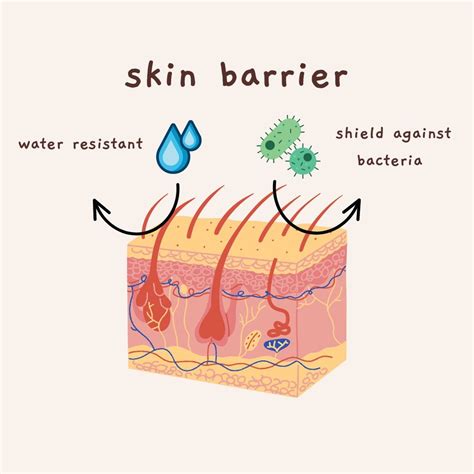
These ingredients are vital for softening the skin and preventing moisture loss. They create a protective barrier on the skin's surface, keeping it hydrated and supple.
- Glycerin: An extremely common multitasker, glycerin provides a soft feel to the skin (emollient) and adds body to creams and lotions. It also aids in stabilizing oil-water mixtures (emulsions).
- Cetearyl Alcohol: A fatty alcohol that acts as an emollient, giving the skin a soft feel. Despite being chemically an alcohol, it does not have the drying properties of low molecular weight alcohols.
- Isopropyl Palmitate: A clear, colorless emollient ester that makes the skin feel smooth and soft.
- Mineral Oil: A controversial yet widely used ingredient, mineral oil is a by-product of crude oil refining. It functions primarily as an emollient and moisturizer through occlusion, preventing trans-epidermal water loss. Studies have shown it to be as effective and safe as plant oils in treating dry skin and is known for its non-irritating properties, making it suitable for sensitive skin. Despite myths, research suggests it is not comedogenic.
- Olive Oil: A rich emollient plant oil high in oleic acid, it moisturizes dry skin and contains antioxidants like polyphenols and vitamin E.
- Dimethicone: A common silicone that makes skin and hair feel silky smooth. It forms a protective barrier on the skin, fills in fine lines temporarily, and can be used in scar treatments to improve elasticity.
- Petroleum-derived emollient and thickener: This type of ingredient provides emollience and helps thicken the product's texture.
Skin Brightening and Pigmentation Control Agents
These ingredients are key in whitening creams, targeting dark spots, hyperpigmentation, and uneven skin tone.
- Vitamin C (Ascorbic Acid, Ethyl Ascorbic Acid): A skincare superstar, pure Vitamin C (Ascorbic Acid) is clinically proven to boost collagen production, fade hyperpigmentation, and enhance sunscreen's UV protection. It works best in concentrations of 5-20%. Ethyl Ascorbic Acid (EAC) is a more stable derivative, claimed to have antioxidant, anti-inflammatory, and skin-brightening effects, though it requires further research to fully confirm its efficacy compared to pure Vitamin C.
- Alpha-Arbutin and Beta-Arbutin: These are isomers of arbutin, known for their skin-brightening and depigmenting properties. While alpha-arbutin is often cited as being more potent, research results are conflicting, suggesting that either form could be effective.
- Hydrolyzed Collagen: This is a broken-down version of collagen, consisting of peptides that act as water-binding agents, helping to hydrate and smooth the skin.
- Monoammonium Glycyrrhizinate: Derived from licorice root, this ingredient is primarily used for its soothing and anti-inflammatory properties. It is also reported to help regulate sebum production, making it beneficial for problem skin.
Thickeners and Stabilizers
These ingredients ensure the product has the desired consistency and that its components remain well-mixed.
- Xanthan Gum: A natural polysaccharide produced by fermentation, xanthan gum is a widely used thickener and emulsion stabilizer. It can make formulas more gel-like and is often combined with other ingredients to achieve the desired texture without making the product sticky.
- Polyacrylamide: Often used in conjunction with other ingredients like C13-14 Isoparaffin and Laureth-7, it acts as a film-forming and thickening agent.
Colorants
These provide the product with its color.
- Yellow Iron Oxide: An inorganic pigment that imparts yellow tones.
- Red Iron Oxide: A pigment that gives red or pink tones.
- Black Iron Oxide: An inorganic pigment that controls darkness and provides black color.
- Titanium Dioxide: Used as a colorant, it is also a well-known physical sunscreen agent.
- Zinc Oxide: Primarily a physical sunscreen, it also acts as a skin protectant and anti-irritant. It offers broad-spectrum UV protection but can leave a whitish tint on the skin.
Preservatives
Preservatives are essential for preventing microbial growth and extending the shelf life of cosmetic products.
- Parabens (e.g., Methylparaben): Widely used preservatives, parabens have faced controversy. Some research suggests that methylparaben, when exposed to sunlight, may increase skin cell damage. While studies on humans are limited, using sunscreen alongside paraben-containing products is advisable.
- Diazolidinyl Urea: An antimicrobial preservative effective against bacteria, yeast, and mold. It is a formaldehyde-releaser, meaning it slowly breaks down to release formaldehyde. While concerns exist, regulatory bodies like the Cosmetic Ingredient Review (CIR) have deemed it safe at concentrations below 0.5%, as the formaldehyde released is below recommended limits.
- Phenoxyethanol: Often used in conjunction with other ingredients like ethylhexylglycerin, it serves as an emulsifier and surfactant.
- Ethylhexylglycerin: A helper ingredient used as an emulsifier and surfactant.
Other Ingredients
- Triethanolamine (TEA): Used to adjust the pH of cosmetic formulations. It can form nitrosamines if combined with certain preservatives (N-nitrogenating agents), which are potentially carcinogenic.
- Fragrance: Added to give products a pleasant scent. However, fragrance is a common cause of contact allergies and can be problematic for sensitive skin, as its exact composition is often undisclosed.
- Ferulic Acid: Known for its antioxidant properties, it helps stabilize Vitamin C and E and enhances their photoprotective effects.
Potential Side Effects and Considerations
While many ingredients are chosen for their beneficial properties, some can cause adverse reactions in certain individuals. Understanding these potential side effects is crucial:
- Skin Irritation and Allergies: Fragrance is a primary culprit for allergic reactions. Some preservatives and plant-derived ingredients with complex chemical compositions can also be potential allergens or irritants for sensitive individuals.
- Comedogenicity: While mineral oil is often wrongly accused of being comedogenic (pore-clogging), its non-comedogenic nature has been supported by studies. However, individual reactions can vary.
- Formaldehyde Release: Preservatives like Diazolidinyl Urea slowly release formaldehyde. While the amounts released are generally considered safe by regulatory bodies, individuals concerned about formaldehyde exposure may wish to avoid such ingredients.
- Controversial Ingredients: Parabens and mineral oil remain subjects of debate due to their origins or potential health concerns raised by some studies.
Ingredient lists on cosmetics
Conclusion on Ingredient Safety
The safety and effectiveness of ingredients in Disaar whitening creams, like any cosmetic product, depend on the specific formulation, concentration of ingredients, and individual skin sensitivity. While many ingredients offer proven benefits for skin brightening, moisturization, and texture improvement, potential side effects should be considered. Patch testing new products and consulting with a dermatologist can help identify any adverse reactions. For those with sensitive skin or specific concerns, opting for fragrance-free, paraben-free, or mineral oil-free formulations might be a safer choice.