It's a common experience to wonder about the longevity of your beauty products, especially when you find yourself questioning how long you've been using a particular concealer. While we often focus on the efficacy of makeup removers in ensuring clear skin, understanding their shelf life is equally crucial. Makeup removers, unlike some other cosmetic products, do have expiration dates. These dates are typically indicated on the packaging, often as "24M" or "12M," signifying the number of months the product remains good to use after opening.
Makeup remover wipes, however, present a slightly different scenario, generally lasting longer than other forms of makeup removers. When purchasing any cosmetic product, it's advisable to check its shelf life. A key indicator that your makeup remover may have expired prematurely is if it no longer effectively removes dirt or makeup as it once did. The most reliable way to determine if a product has expired is by observing its color and smell. Any change in these aspects warrants immediate disposal of the product.
A helpful tip for managing the shelf life of makeup wipes, oils, or creams is to write the opening date directly on the packaging. It is also recommended to purchase only one type of makeup remover at a time, as wipes and oils, for instance, serve a similar purpose and buying both simultaneously might lead to one expiring before it's fully used.
Shelf Life of Wet Wipes and Makeup Removers
Generally, it is best to use opened makeup removers within two years to maintain skin health and avoid potential issues. While an expired makeup remover might still appear effective for a few days past its expiration, it's strongly advised not to use it for an extended period. This is because the active ingredients may lose their potency or change their effectiveness on the skin. Given that skin can be sensitive or prone to acne, avoiding expired makeup removers is the safest approach.
Wet wipes, a common item in many households for various purposes from baby care to cleaning, also have a defined shelf life. Understanding this can help maximize their use and minimize waste, while also preventing potential hygiene issues. Unopened wet wipes typically last between 2 to 3 years. However, once opened, their lifespan is considerably shorter.
Several factors influence the shelf life of wet wipes, including their ingredients, packaging, and storage conditions. Preservatives and moisture content play vital roles. Over time, ingredients can degrade, and if preservatives become less effective or the wipes lose moisture, their freshness diminishes. Fragrances and other additives can also impact longevity. The packaging is crucial for protecting wipes from drying out and contamination; sealed packs offer better protection than opened ones, which are more vulnerable to environmental factors like temperature and humidity.
How Long Do Wet Wipes Last?
Unopened Wet Wipes
When unopened, most wet wipes can last for 2 to 3 years. The expiration date or best-by label on the package is a reliable guide. However, improper storage can shorten this lifespan. Even unopened wipes can lose some effectiveness over time if exposed to extreme temperatures or sunlight, which can cause them to dry out.
Opened Wet Wipes
Once opened, the lifespan of wet wipes decreases significantly due to exposure to air and subsequent moisture loss. Most opened packs of wet wipes should ideally be used within 1 to 3 months. To prolong the life of opened wipes, it's essential to ensure the lid is tightly sealed after each use. Storing opened wipes upside down can also help maintain even moisture distribution.
Signs That Wet Wipes Have Expired
It is crucial to check for signs of expiration before using wet wipes. Key indicators that wipes have gone bad include:
- Mold: Any visible mold on the wipes means they are unsafe for use.
- Discoloration: A change in the color of the wipes can indicate spoilage.
- Dryness: If the wipes feel dry and lack moisture, they may be ineffective.
- Unpleasant Odor: A foul smell is a clear sign that the wipes have spoiled.
Trusting your senses-smell, texture, and appearance-are reliable indicators of whether wipes are still safe to use.
Best Storage Practices for Extending the Life of Wet Wipes
Proper storage is vital for extending the lifespan of wet wipes and keeping them fresh and effective. Store wet wipes in a cool, dry place, away from direct sunlight. Always keep the lid tightly closed to prevent moisture loss. Avoiding humid areas, such as bathrooms, is also recommended. If the wipes come in a resealable pack, ensure the seal is properly closed after each use.
Can You Revive Dried-Up Wet Wipes?
While it might be tempting to add water to dried-up wet wipes, this is generally not recommended. Adding water can encourage bacterial growth, especially if the preservatives in the wipes have degraded. Furthermore, adding water may not fully restore the wipes to their original effectiveness. If your wipes are dry, it is best to dispose of them and replace them with a fresh pack. For better longevity, always store wipes in a sealed container and avoid exposure to air.
Alternatives to Bulk Wet Wipes
For those concerned about wipes drying out, individually wrapped wipes offer a convenient alternative. Each pack is sealed, ensuring freshness until use, which is particularly beneficial for on-the-go needs and maintaining hygiene. However, individually wrapped wipes may be more costly per unit and generate more packaging waste.
Maximizing the Lifespan of Makeup and Beauty Products
Understanding the expiration dates of makeup and beauty products is essential for both effectiveness and hygiene. On the back of most products, you'll find a small illustration of an open container with a number followed by "M" (e.g., 12M, 24M). This indicates the recommended period after opening that the product should be discarded. The clock starts ticking from the moment you open the product, not when you purchase it.
To keep track, it's helpful to use a label maker to note the opening date on the bottom of the product. Even unopened products have general shelf lives. Natural degradation can occur over time, potentially making products unsafe. Unopened products should generally not be kept for more than 3 years, as preservatives can become ineffective. Creamier products containing oils may go rancid within 1-2 years. Products made without preservatives are more susceptible to bacterial growth.
Always pay attention to the product's smell. If it differs from its original scent, it's time to discard it. Powder products tend to last longer but will eventually expire and lose their effectiveness.
Common Makeup Expiration Dates
While the Period After Opening (POA) symbol is the most accurate guide, here are some general guidelines for common makeup products:
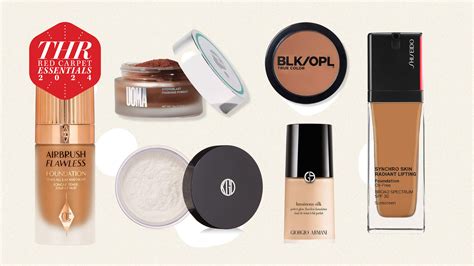
- Liquid Foundation and Concealer: 3 years unopened, 6 months from first use. To prevent contamination, pour foundation onto your hand rather than dipping applicators directly into the bottle.
- Mascara: 1 year unopened, 3 months from first use. For items with brushes, wiping the brush with alcohol after every 2-3 uses can help. Never share mascara to avoid eye infections.
- Pencil Eyeliner: 1 year unopened, 3 months from first use. Sharpening the eyeliner after each use provides a fresh tip and helps minimize bacterial growth.
- Liquid or Gel Eyeliner: 3 to 4 months from first use. These are rich in moisture, which can trap bacteria.
- Lipstick: 3 years unopened, 3-6 months from first use. Using a clean lipstick brush can help minimize bacterial transfer.
- Powder Blush and Bronzer: 2 years opened. Regularly cleaning your brushes is essential.
- Nail Polish: 3 years opened or unopened. Store away from direct sunlight to prevent separation and discoloration.
- Makeup Sponges: 3-6 months from first use. Sponges harbor significant bacteria and should be washed regularly, ideally before each use.
The Best Way To Clean Makeup Brushes
Can You Prolong a Product’s Shelf Life?
Following proper storage and hygiene practices can help extend the life of your makeup stash. Key habits include:
- Do Not Share Makeup: Certain products, like eyeliners and mascaras, can easily become contaminated.
- Wash Your Hands: Always wash hands before applying makeup to minimize the transfer of bacteria and oils.
- Keep Your Products Clean: Regularly sanitize powder products with alcohol spray. For items with brushes, wipe them with alcohol after every few uses.
- Store Your Products Properly: Avoid storing beauty products in humid areas like bathrooms. A cool, dry place is ideal. Keep toilet lids closed to prevent airborne bacteria from contaminating products.
- Don’t Open Unless You Plan to Use: Opening a product starts the countdown for its shelf life. Keep unopened products in their original packaging to extend their usability.
- Apply Product With a Clean Applicator Each Time: Dirty brushes and applicators can spread bacteria.
- Avoid Formulas Known to Easily Collect Bacteria: Opt for powder or solid formulations over liquid ones when possible, as they tend to be less prone to bacterial growth.
Recognizing Signs of Expired Makeup
Beyond the expiration dates, several visual and olfactory cues can indicate expired makeup:
- Smell: A new, distinctive odor suggests the product has gone bad.
- Texture Changes: Thickening, clumping, or separation in liquid or cream products are signs of expiration.
- Color Changes: Oxidation or other color alterations indicate the product is no longer fresh.
Using expired makeup can lead to skin irritation, redness, breakouts, and even more severe skin conditions due to bacterial growth. Taking care of your skin by using fresh, unexpired products is a crucial aspect of a healthy lifestyle.