Adapalene is a widely prescribed topical retinoid for the treatment and prevention of acne. Understanding its shelf life and how to properly store and use it is crucial for ensuring its effectiveness and safety.
What is Adapalene?
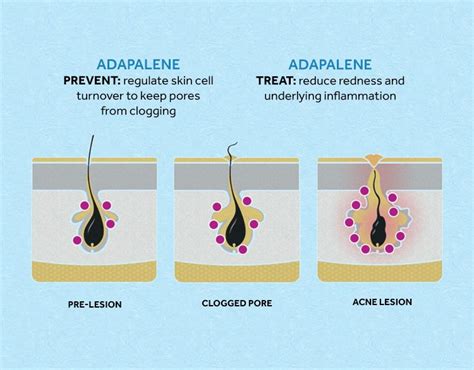
Adapalene is a retinoid, a class of medications derived from vitamin A, that plays a vital role in acne treatment. It is specifically designed to work deep within the pores to address acne at its source. Adapalene helps to regulate skin cell turnover, preventing the buildup of dead skin cells, sebum, and bacteria that lead to clogged pores and acne formation. It is available over-the-counter, making it accessible for many individuals seeking acne solutions.
How Adapalene Works
When you have acne, your skin cell turnover rate is often accelerated, leading to a buildup of old cells that should have been shed. These, along with sebum and bacteria, clog pores. Adapalene adjusts the speed of this process, promoting healthier skin and a less hospitable environment for acne. Dermatologists recommend topical retinoids, including adapalene, as a primary therapy for mild, moderate, and severe acne.
Compared to other topical retinoids like tretinoin and tazarotene, adapalene is the only one available without a prescription. Clinical studies have indicated that adapalene offers superior tolerability, meaning it is gentler on the skin while remaining effective in combating acne.
Adapalene Timeline: What to Expect
The journey to clearer skin with adapalene is a phased process, not an overnight fix. Consistency and patience are key.
Phase 1: Adjustment Period (Weeks 1-4)
During the initial weeks of using adapalene, your skin is adjusting to the new rate of cell turnover. This period, known as retinization, may involve mild side effects such as dryness, redness, irritation, or even an initial increase in breakouts in areas where you typically experience acne. These symptoms usually peak around weeks 2 to 4 before beginning to subside. Not everyone experiences these side effects, and when they occur, they are typically mild.
If your skin feels sensitive during this phase, consider adopting a short-contact therapy approach: apply adapalene to clean, dry skin, leave it on for 5-10 minutes, then rinse it off and follow with a moisturizer. This can help your skin acclimate more gently.
Phase 2: Progress and Healing (Weeks 4-12)
As your skin continues to adapt, you should start to notice positive changes. Active breakouts may begin to heal faster, and the formation of new pimples should decrease. Dryness and flaking usually subside during this phase. This period is characterized by gradual progress rather than immediate dramatic results.
Phase 3: Significant Clearing and Restoration (Month 3 onwards)
Around the three-month mark, many individuals observe significant clearing of inflammatory acne. Adapalene can also help address post-inflammatory hyperpigmentation, the dark marks left behind after pimples heal. This phase represents your "new normal" with clearer, more even-toned skin.
Factors Affecting Results
While the general timeline provides a useful guide, individual results can vary. Several factors can influence how quickly and effectively adapalene works for you:
Type of Acne
The type of acne you have can affect the speed of improvement. For comedonal acne (whiteheads and blackheads), you might notice smoother skin texture within 4 to 8 weeks. For inflammatory acne (red, painful pimples), the initial "purge" may be more noticeable, with a reduction in the number and severity of breakouts typically seen after 8 to 12 weeks of consistent use.
Consistency of Use
Adapalene is a long-term treatment, not a spot treatment. Consistent daily application, as tolerated by your skin, is crucial for achieving and maintaining results. Skipping applications can reset progress and prolong the initial adjustment period.
Product Interactions
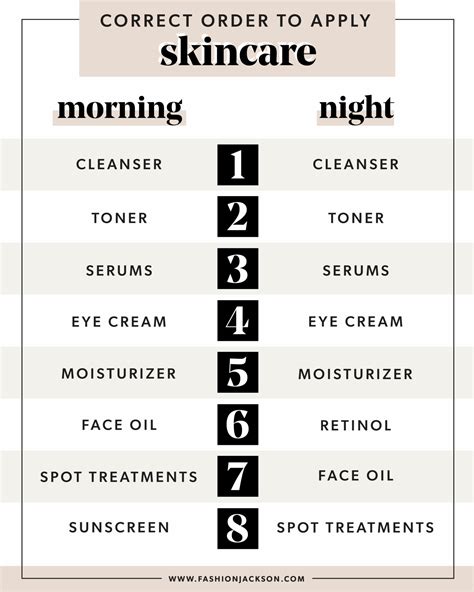
Using other products that can dry the skin, such as abrasive cleansers or those containing alcohol, can exacerbate irritation. It's generally advised to avoid using other topical acne medications on the same areas unless directed by a healthcare professional. For the first three months of treatment, it's best to simplify your routine to a gentle cleanser, a good moisturizer, and sunscreen.
Skin Sensitivity and Barrier Health
Starting too aggressively with adapalene can lead to significant peeling, stinging, and redness. This irritation can damage your skin's barrier, forcing you to pause treatment for repair and potentially slowing down your progress. A slower, gentler introduction, such as applying it over moisturizer or using it less frequently initially, can protect your skin barrier and lead to better long-term outcomes.
Proper Usage and Storage
To maximize the benefits of adapalene and ensure its stability, follow these guidelines:
Application Technique
Apply a thin layer of adapalene gel to the affected areas of the skin once daily. Cleanse and dry the skin thoroughly before application. Avoid contact with eyes, lips, and mouth; if contact occurs, flush immediately with water. Do not apply to damaged skin, including cuts, abrasions, eczema, or sunburn.
It is recommended to wait for your skin to dry completely before applying adapalene. A pea-sized amount is sufficient for the entire face. After application, follow up with a moisturizer to help combat dryness and irritation. The "sandwich method" - applying moisturizer, then adapalene, then another light layer of moisturizer - can be beneficial for those with sensitive or dry skin.
Sun Protection
Adapalene can make your skin more sensitive to the sun. Always use a broad-spectrum sunscreen with an SPF of 30 or higher every morning, even on cloudy days, and reapply as needed. Avoid sunlamps, tanning beds, and tanning booths.
Storage
Adapalene gel should be stored at room temperature, typically between 68°F and 77°F (20°C and 25°C). Do not refrigerate or freeze the product. Protect it from light.
Adapalene Expiration and Shelf Life
The effectiveness and safety of adapalene can diminish over time, especially after the product has been opened. Here's what you need to know about its expiration:
Period After Opening (PAO)
Once opened, adapalene gel typically remains effective for about 12 months. This is indicated on the packaging by a symbol of an open jar with a number and the letter 'M' inside (e.g., 12M), signifying the Period After Opening. This date begins the moment you first open the product.
It is advisable to write the opening date directly on the tube with a marker to keep track. Using adapalene beyond this 12-month period may result in decreased efficacy, as the active ingredient can degrade.
Signs of Degradation
While adapalene is known for its stability compared to some other retinoids, changes in the product can indicate degradation:
- Change in Color: Fresh adapalene gel is usually white or very pale. A shift to yellow or brown can signify degradation.
- Change in Texture: The formula should be smooth and consistent. A gritty, separated, or dried-out texture suggests the product is no longer optimal.
- Change in Odor: Note the original mild medicinal scent. A sharp, "off" odor is a clear sign the product has expired or degraded.
If you notice any of these changes, it is best to discard the product. While using slightly expired adapalene is unlikely to cause harm, it will not provide the intended therapeutic benefits.
Disposal of Expired Medication
Expired or no-longer-needed adapalene should be disposed of properly. Check the label or package insert for specific disposal instructions. Ideally, take it to a medication take-back program. If that's not possible, mix the medication with an undesirable substance like cat litter or coffee grounds, seal it in a bag or container, and dispose of it in the trash.
Adapalene vs. Other Acne Treatments
Adapalene stands out among acne treatments due to its unique properties and accessibility. Unlike many other retinoids, it is available over-the-counter and is known for its stability and efficacy.
Adapalene vs. Retinol
Both retinol and adapalene are retinoids, but only adapalene is FDA-approved specifically for treating acne. While retinol is also a vitamin A derivative, adapalene is generally considered more potent and effective for acne management. Adapalene is also more photostable, meaning it is less likely to break down when exposed to light.
Adapalene and Benzoyl Peroxide
Adapalene can be used with benzoyl peroxide, a common ingredient in acne treatments known for its antibacterial properties. However, they should not typically be used in the same routine due to the potential for increased irritation. They can be used at different times of the day (e.g., benzoyl peroxide in the morning, adapalene at night) or on alternate days, depending on skin tolerance and a healthcare provider's recommendation.
Differin Gel (Adapalene 0.1%) for Acne | 5 TIPS You Must Know About Differin Gel ✅
Important Precautions
- Allergies: Do not use adapalene if you are allergic to adapalene or any of its inactive ingredients.
- Pregnancy and Breast-feeding: Some other retinoid drugs have been shown to cause birth defects. Consult your healthcare provider if you are pregnant, planning to become pregnant, or breastfeeding before using adapalene.
- Children: While adapalene may be prescribed for children as young as 12, precautions apply. Discuss its use with a healthcare provider.
- Other Medications: Inform your healthcare provider about all other medications you are using, including topical antibiotics like clindamycin or erythromycin, as interactions may occur.
- Skin Conditions: If you have existing skin conditions or sensitivities, consult your doctor before starting adapalene.