Summertime is synonymous with sunshine, and many people reach for sunscreen to protect their skin from harmful UV radiation, preventing sunburn and reducing the risk of skin cancer. However, it is crucial to remember that sunscreen, while beneficial for humans, can be toxic to pets. Understanding the potential risks and knowing how to respond if your dog ingests sunscreen is vital for their health and safety.

Key Ingredients of Concern in Sunscreen for Dogs
Several ingredients commonly found in human sunscreens can pose health risks to dogs. The two primary ingredients that veterinarians often flag are forms of acetylsalicylic acid and zinc oxide.
Acetylsalicylic Acid and its Derivatives
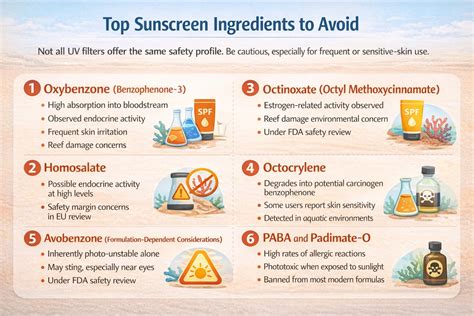
Various forms of acetylsalicylic acid, such as octyl salicylate, homosalate, and trolamine salicylate, are frequently used in sunscreens. These ingredients can cause significant health concerns for pets. Ingestion can lead to a range of symptoms, including:
- Vomiting
- Fever
- Breathing difficulties
- Gastrointestinal ulceration
- Anorexia (loss of appetite)
In the body, salicylates can lead to respiratory alkalosis and compensatory metabolic acidosis. On rare occasions, pets may also experience hepatotoxicity (liver damage), hyperthermia (dangerously high body temperature), and seizures.
Zinc Oxide
Zinc oxide is another common ingredient in sunscreens and is also found in many diaper rash creams. While generally considered less problematic than acetylsalicylic acid derivatives, zinc oxide can still cause issues. The most commonly reported sign of zinc oxide ingestion is vomiting. This often occurs shortly after consumption due to the irritating nature of the ingredient, which can sometimes lead to self-decontamination by the pet.
On rare occasions, allergic reactions to zinc oxide have been reported following ingestion. These typically manifest as facial swelling and pruritis (itching). While mild gastrointestinal signs like vomiting and diarrhea are more common and usually self-limiting, a larger ingestion of zinc oxide could potentially lead to zinc toxicity, which may damage red blood cells.
Other Potentially Harmful Ingredients
While acetylsalicylic acid and zinc oxide are the most frequently discussed, other ingredients can also be problematic:
- Propylene Glycol: If consumed in large quantities, this ingredient can affect the nervous system, potentially leading to sedation, muscle tremors, uncoordinated walking, or seizures.
- Para-aminobenzoic acid (PABA): Although less common now due to safety concerns in humans, PABA can still be present in some sunscreens and warrants awareness.
Symptoms of Sunscreen Ingestion in Dogs
The symptoms a dog may exhibit after ingesting sunscreen can vary depending on the amount consumed and the specific ingredients present. Some common signs include:
- Vomiting: This is one of the most frequent symptoms, often occurring due to the irritating nature of sunscreen ingredients.
- Diarrhea: Mild gastrointestinal upset is also common.
- Lethargy: A general lack of energy or unusual tiredness.
- Drooling: Excessive salivation can indicate nausea or irritation.
- Abdominal pain: The dog may appear uncomfortable or sensitive when their abdomen is touched.
- Fever: An elevated body temperature can be a sign of more severe reactions.
- Breathing difficulties: This is a serious symptom that requires immediate veterinary attention.
- Anorexia: Refusal to eat or loss of appetite.
- Seizures: In rare cases, certain ingredients can trigger neurological issues.
- Facial swelling or skin welts: Indicative of an allergic reaction.
Identifying Marijuana Poisoning in Pets
What to Do If Your Dog Eats Sunscreen
If you discover that your dog has ingested sunscreen, it's important to remain calm and act promptly. The veterinarian's assistant chat logs highlight a common scenario where a pet owner reports their dog eating sunscreen, and the veterinarian's immediate concern is to gather information about the dog's age, breed, and the amount of sunscreen consumed.
Immediate Steps:
- Assess the Situation: Try to determine how much sunscreen was eaten and note the product's brand and ingredients. This information is crucial for veterinary professionals.
- Contact Your Veterinarian or Pet Poison Control: Immediately call your veterinarian or a pet poison hotline (such as the Pet Poison Helpline or the ASPCA Animal Poison Control Center). They can provide immediate guidance based on the specific product and your dog's size and health.
- Do Not Induce Vomiting Unless Instructed: Inducing vomiting can sometimes cause more harm than good, especially if the dog is already showing signs of distress or if the sunscreen contains irritating ingredients. Always follow the advice of a veterinary professional.
Veterinary Treatment
The treatment plan will depend on the amount of sunscreen ingested and the symptoms your dog is exhibiting. Potential treatments may include:
- Activated Charcoal: This can help bind to toxins in the digestive tract, preventing further absorption.
- Fluid Therapy: Intravenous fluids can help manage dehydration and support organ function.
- Medications: Drugs may be prescribed to protect the stomach lining, manage nausea, or address other specific symptoms.
- Monitoring: In cases of small ingestions, the veterinarian may simply recommend close monitoring for any developing symptoms.
As noted by Dr. Scott Nimmo, most sunscreens are of very low toxicity to dogs, especially larger breeds. Mild, temporary vomiting and/or diarrhea are the most likely outcomes, which generally resolve on their own. In such cases, no special measures are needed beyond keeping an eye on the dog and possibly offering a light diet for a day or two.

Prevention is Key
The best approach to managing the risks associated with sunscreen ingestion is prevention. Keep all sunscreen products securely stored out of your dog's reach. Be mindful of sunscreen residue on your skin, as dogs may lick it off. When protection from the sun is necessary for your pet, opt for pet-friendly sunscreens and always ensure that the ingredients and usage amounts are safe for them, especially if accidental ingestion is a possibility.