There's a popular beauty hack circulating that involves curling your lashes and applying Aquaphor lip balm in lieu of mascara. While this practice has been around for centuries, understanding what Aquaphor actually does to your eyelashes is crucial. This article explores whether petroleum jelly is a better alternative to mascara for eyelash health and provides expert insights from optometrist and eye specialist, Jennifer Tsai, O.D.
The Role of Aquaphor on Eyelashes
"Applying Aquaphor or any other petroleum-based ointment directly to your eyelashes is not a proven method for making them longer or thicker," explains Dr. Tsai. She clarifies that Aquaphor is typically used as a skin protectant and ointment, and it is not specifically formulated for promoting lash growth. Crucially, it does not contain peptides or bimatoprost, a drug known to promote lash growth.
When used on eyelashes, Aquaphor primarily acts as an eyelash conditioner. "It can help moisturize dry, brittle hair," Dr. Tsai notes. However, it does not influence the actual growth cycle of the eyelashes.
Ingredients with Clinical Evidence for Eyelash Growth
When discussing ingredients that demonstrably promote lash growth, the conversation shifts towards medication. Bimatoprost, also known as prostaglandin analogs, is the class of drugs found in prescription eyelash-growth serums such as Latisse. This ingredient has been clinically proven to stimulate longer, thicker, and darker lashes.
The efficacy of bimatoprost is well-established. It was initially developed to treat glaucoma by lowering intraocular pressure. However, its significant side effect of extreme lash growth led to its commercialization as a cosmetic treatment. It's important to note that Latisse is a prescription medication for a reason:
- It can cause side effects, primarily eye irritation.
- It is not suitable for everyone.
For instance, individuals experiencing hair, eyelash, and eyebrow loss due to chemotherapy might be prescribed Latisse post-treatment to aid in regrowth. However, for those with healthy lashes seeking cosmetic enhancement, a prescription medication is likely not the appropriate solution. Always consult with your doctor before considering prescription treatments.
Biotin as a Potential Eyelash Support
Beyond prescription options, biotin is another ingredient often mentioned. "While not as potent as prescriptions, biotin contributes to healthier lashes and may support growth," offers Dr. Tsai. In supplement form, biotin could potentially lead to visible lash growth, though results can vary.
Dermatologist Marnie Nussbaum, M.D., explains to Refinery29 that "from what researchers know about the internal path of ingestible supplements, the body often funnels the nutrients where they are most needed." This means that biotin might be directed to skin, hair, nails, or internal organs, and the effect on lashes may not always be directly visible.
Natural Alternatives for Eyelash Conditioning and Potential Growth
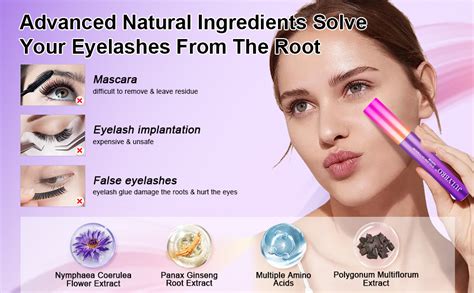
Several eyelash-growth serums are available that do not contain bimatoprost or prostaglandin analogs. Instead, these products feature ingredients that condition existing lashes while potentially stimulating new growth. Some of these ingredients, borrowed from skincare, include peptides and panthenol.
"Peptides are known to enhance lash follicle health and stimulate growth," explains Dr. Tsai. Additionally, "Panthenol, or provitamin B5, moisturizes and improves lash condition, making them appear longer and thicker."
There is also anecdotal evidence suggesting the effectiveness of certain natural extracts for lash growth. "Botanical extracts like green tea, ginseng, and grape seed nourish follicles, potentially promoting lash growth," says Dr. Tsai.
Oils for Eyelash Conditioning
If you've experimented with Aquaphor on your lashes, you might find other oils beneficial for conditioning. Dr. Tsai highlights that castor oil, coconut oil, and vitamin E oil can help condition and nourish lashes. "These help support protection and condition your lashes but there's no proof that they cause hair growth," Dr. Tsai cautions. As with the petroleum jelly hack, it's important to keep these oils away from your eyeballs and the surrounding oil glands.
Practical Tips for Promoting Eyelash Health and Growth
The most effective approach to growing your eyelashes involves basic care and consistent attention. Dr. Tsai emphasizes treating your lashes with care to maintain their health.
- Mascara Removal: Always remove all mascara before going to bed. Dr. Tsai recommends a "lash-friendly removal" process involving an oil-based cleanser first. This is vital because some mascaras contain alcohol, which can dry out lashes, leading to breakage.
- Pillowcases: Consider using a silk pillowcase to reduce friction that can compromise your lashes.
- False Lashes and Extensions: While mascara is generally acceptable, Dr. Tsai advises limiting the use of false eyelashes or eyelash extensions. "Adhesives may weaken lashes and cause breakage," she explains.
- Brushing: Similar to hair and scalp care, your eyelashes can benefit from gentle brushing with a clean, dry spoolie. "Regularly brushing out your eyelashes [helps] distribute natural oils," explains Dr. Tsai.
- Diet: Dr. Tsai suggests that a diet rich in protein, iron, and biotin will support overall lash health.
Remember to always consult with a doctor or optometrist before trying any new treatments or off-label applications. Our eyes are sensitive, and sometimes, a less-is-more approach yields the best and healthiest results.