The prevalence of non-alcoholic fatty liver disease (NAFLD), the most common chronic liver condition, is a growing global concern. If left untreated, NAFLD can progress to serious complications such as liver inflammation, known as metabolic dysfunction-associated steatohepatitis (MASH), liver cirrhosis, and ultimately, liver cancer. NAFLD is strongly linked to obesity, which has seen a dramatic increase worldwide, including in emerging economies like India and China. This rise in obesity contributes to a surge in cases of liver failure and liver cancer.
Mathias Heikenwälder from the German Cancer Research Center (DKFZ) and the University of Tübingen highlights the detrimental cycle of unhealthy diet, obesity, liver inflammation, and liver cancer, which causes significant suffering and places a substantial burden on healthcare systems. His team has been investigating whether simple dietary modifications can disrupt this cycle.
Intermittent Fasting as a Potential Intervention
Several studies have already demonstrated that intermittent fasting (IF) can be effective in reducing weight and improving certain metabolic disorders. To further explore its benefits, Heikenwälder's team conducted studies in mice to determine if IF could protect the liver from fatty degeneration and chronic inflammation.
Resistance to Liver Inflammation Independent of Calorie Intake
In their experiments, mice were fed a diet high in sugar and fat, mimicking the typical Western diet. One group had constant access to this food, leading to weight gain, increased body fat, and the development of chronic liver inflammation. In contrast, a second group of mice followed a 5:2 intermittent fasting schedule, meaning they abstained from food for two days a week but could eat freely on the other days.
Remarkably, despite consuming a high-calorie diet, the mice on the 5:2 IF regimen did not gain weight. They also exhibited fewer signs of liver disease and had lower levels of liver damage biomarkers, indicating resistance to MASH development. Interestingly, this protection against fatty liver was independent of total calorie intake, as the mice compensated for the fasting periods by eating more on non-fasting days.
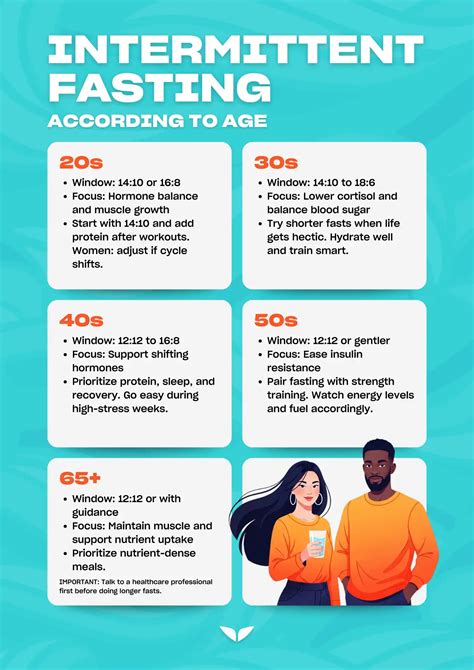
Key Factors in Intermittent Fasting for Liver Protection
Further investigation into different IF variants revealed that several parameters influence liver protection against inflammation:
- The number and duration of fasting cycles are crucial.
- A 5:2 dietary pattern proved more effective than a 6:1 pattern.
- 24-hour fasting phases were more beneficial than 12-hour ones.
- A particularly unhealthy diet necessitates more frequent dieting cycles for effective protection.
Molecular Mechanisms Behind Fasting's Protective Effects
Heikenwälder's team delved into the molecular underpinnings of the liver's response to fasting by comparing protein composition, metabolic pathways, and gene activity in fasting and non-fasting mice. Two key players emerged as responsible for the protective effects of fasting:
- The transcription factor PPARα
- The enzyme PCK1
These two molecules work synergistically to enhance fatty acid breakdown and gluconeogenesis while inhibiting fat accumulation. "The fasting cycles lead to profound metabolic changes, which together act as beneficial detoxification mechanisms and help to combat MASH," Heikenwälder summarized.
The relevance of these findings to human health was demonstrated by examining tissue samples from MASH patients. The researchers observed the same molecular pattern, characterized by reduced PPARα and PCK1 levels, in these patients.
Investigating the Role of PPARα and PCK1
To confirm the direct role of PPARα and PCK1, the researchers genetically deactivated both proteins in the liver cells of mice. When both were simultaneously switched off, intermittent fasting failed to prevent chronic inflammation or fibrosis, underscoring their critical importance.
The drug pemafibrate, known to mimic PPARα's effects, was also studied. While pemafibrate induced some of the favorable metabolic changes seen with 5:2 fasting, it only partially replicated the protective effects. This is attributed to the fact that pemafibrate only influences one of the two key players, and a drug that mimics PCK1's effects is not yet available.
Intermittent Fasting as a Therapeutic Strategy for Liver Disease
Beyond prevention, Heikenwälder's team also investigated whether the 5:2 diet could alleviate existing chronic liver inflammation. Mice that had developed MASH were subjected to four months of 5:2 intermittent fasting while continuing the high-sugar, high-fat diet.
The results were promising: the fasting mice showed improved blood values, reduced fatty liver and liver inflammation, and notably, a lower incidence of liver cancer and fewer cancerous foci. "This shows us that 5:2 intermittent fasting has great potential - both in the prevention of MASH and liver cancer, as well as in the treatment of established chronic liver inflammation," stated Heikenwälder. He emphasized that these findings warrant further studies in human patients.
The 5:2 fasting regimen is popular due to its perceived ease of integration into daily life, allowing for flexibility in choosing fasting days and not prohibiting specific foods. However, Heikenwälder acknowledges that long-term adherence can be challenging for some. Therefore, research continues into potential drug combinations that could fully replicate the protective effects of fasting.
Broader Implications and Emerging Research
The rise in obesity and related health issues, including Type 2 diabetes, fatty liver disease, and cardiovascular problems, remains a significant public health challenge. Intermittent fasting has emerged as a popular strategy to address these concerns by limiting eating to shorter windows each day.
Research from Stanford Medicine has revealed that intermittent fasting can spur liver cells in laboratory mice to divide rapidly. This finding challenges the long-held belief that adult liver cells divide infrequently. The study, led by Roeland Nusse, found that liver cell turnover increased dramatically after periods of 24-hour fasting followed by refeeding. While the health implications of this increased cell replication are still under investigation, it highlights how dietary changes can impact a major organ.
The liver's role in metabolism necessitates a constant ratio between its weight and body weight for efficient function. In fasted mice, a decrease in this ratio triggered cell division. Two molecular pathways were identified as crucial for maintaining liver size in fasted animals: fibroblast growth factor (FGF), produced by the intestines, and Wnt proteins, important for embryonic development and tissue maintenance. While the Wnt pathway's role remained unaffected, FGF production was stimulated by intermittent fasting.
What Does The Liver Do? | Liver Functions | The Dr Binocs Show | Peekaboo Kidz
Further studies by Sarkar explored the impact of fasting on mice genetically engineered to be unresponsive to FGF or Wnt signals, observing an attenuated effect of intermittent fasting on cell division. Nusse advises caution, stating, "I wouldn't recommend that people start intermittently fasting to improve their liver health."
Intermittent fasting's potential benefits for liver health are thought to stem from its ability to improve insulin sensitivity, reduce inflammation, and promote autophagy-a cellular process that cleanses damaged components. Various IF methods exist, including time-restricted feeding (e.g., 16:8), alternate-day fasting, and the 5:2 diet.
Australian researchers, using advanced analytical tools, have shown that intermittent fasting inhibits HNF4-(alpha) in the liver. This inhibition has downstream effects, such as reducing blood protein abundance related to inflammation and affecting bile synthesis. Multi-omics approaches are providing unprecedented insights into biological systems, building on previous research into the effects of every-other-day fasting in humans.
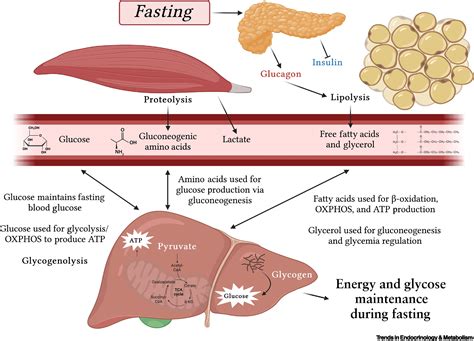
During fasting, the body shifts fuel sources, which can lead to muscle-released nutrients being converted into glucose by the liver. This process, however, can create excess nitrogen, a waste product managed by the urea cycle, a natural liver function for detoxification. Future research aims to explore ways to trick the liver into a "starvation state" by manipulating carbohydrate availability.
The liver's primary function as the body's filtration system, converting toxins into waste, cleansing blood, and metabolizing nutrients and medications, is vital. While numerous commercial products claim to detoxify the liver, medical professionals emphasize that the best approach is to treat the liver well through healthy lifestyle choices. Significant increases in risk factors for metabolic dysfunction-associated steatotic liver disease and cirrhosis highlight the importance of liver health management.