Many people have heard warnings from mothers and grandmothers about the dangers of sleeping with wet hair, often with the fear of catching a cold. While the notion of catching a cold from wet hair is largely a myth, there are indeed several potential risks associated with going to bed with damp locks. These risks primarily concern scalp health and hair integrity. Understanding these potential issues can help in adopting better practices for hair care.
Debunking the Cold Myth
The common belief that sleeping with wet hair causes a cold is not supported by scientific evidence. According to Dr. Chirag Shah, MD, a board-certified emergency physician, catching a cold is always due to a viral infection. Viruses enter the body through the nose, mouth, or eyes and spread through respiratory droplets or contaminated surfaces. While colds are more prevalent during colder months, this is attributed to people spending more time indoors in close proximity to others, not the act of having wet hair.
Potential Risks of Sleeping with Wet Hair
Despite the myth about colds, sleeping with wet hair does present other potential problems:
Fungal Infections and Dandruff
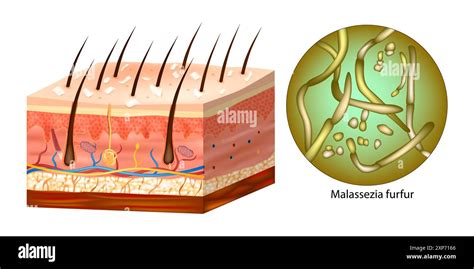
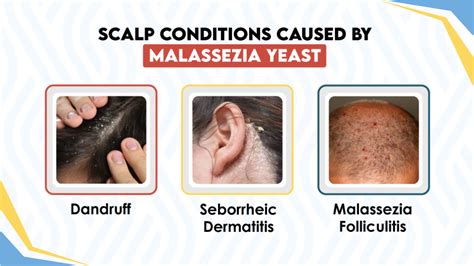
Dr. Shah highlights that sleeping with wet hair increases the risk of developing fungal infections of the scalp. Fungi like Malassezia, which are naturally present on the scalp, can thrive in the warm, moist environment created by wet hair and a pillowcase. This can lead to conditions such as dandruff or dermatitis. Studies have shown that pillows can harbor a significant number of fungal species, including Aspergillus fumigatus, which can cause severe infections in individuals with weakened immune systems and worsen asthma symptoms.
Hair Breakage
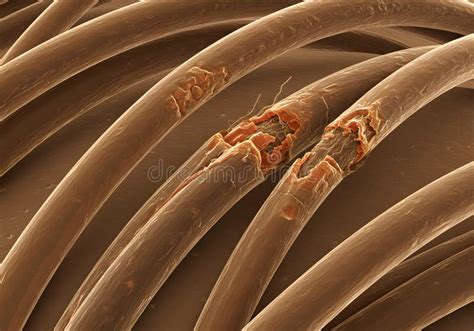
Hair is at its weakest when wet. When you toss and turn during sleep, wet hair is more susceptible to breakage, especially if it is braided or styled in a tight updo. Dr. Adarsh Vijay Mudgil, MD, a New York City dermatologist, advises leaving wet hair down if sleeping with it damp cannot be avoided, as this reduces tension on the hair shaft.
Bacterial Infections and Folliculitis
A damp scalp can create a favorable environment for bacterial and fungal growth. Dr. Noëlle Sherber, a board-certified dermatologist, explains that certain bacteria and fungi can proliferate on the scalp skin if it remains damp for hours. This can lead to fungal infections like dandruff, characterized by flaking. Additionally, bacterial or fungal folliculitis, an inflammation of the hair follicles, can occur, presenting as small, itchy, or painful acne-like bumps or pustules on the scalp. These infections can sometimes extend to the face, causing fungal acne in the form of small red bumps.
Skin Issues Beyond the Scalp
The moisture from wet hair can also transfer to the face and other parts of the body through the pillowcase. This can lead to the development of fungal acne or folliculitis on the face, presenting as small red bumps. Dr. Sherber notes that this can occur when a person sleeps with their face on a damp pillowcase caused by wet hair.
Preventative Measures and Best Practices
To minimize the risks associated with sleeping with wet hair, several strategies can be employed:
Drying Hair Thoroughly
The ideal scenario is to go to bed with completely dry hair. If a full blow-dry is not possible, try to air dry the hair as much as possible or use a hairdryer on a cool setting. Gently detangle the hair before sleeping to reduce stress on the hair shaft.
Protective Hair Treatments
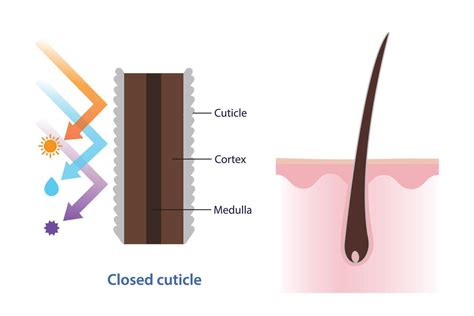
- Coconut Oil: Applying coconut oil to the hair can help seal the cuticle and reduce water absorption, making the hair less prone to damage. However, this is not recommended for individuals with seborrheic eczema, as it could worsen the condition.
- Conditioner: Using conditioner helps to seal the hair cuticle, reduce friction, and make hair easier to detangle. This is particularly beneficial for bleached or chemically-treated hair.
Pillowcase Choices
Switching to a silk or satin pillowcase can be beneficial. These materials create a smoother, less frictional surface compared to cotton, which may help reduce hair damage. While they may not significantly impact bacterial growth, the reduced friction is advantageous for hair health.
Pillow Protection
To further prevent moisture from reaching the pillow and creating a breeding ground for microorganisms, consider using a waterproof pillow protector or an additional cotton case as an extra layer of protection.
Hair Extensions Considerations
For individuals with hair extensions, ensuring the scalp and extensions are thoroughly dried before bed is crucial. Hair extensions, especially semi-permanent ones, can take longer to dry. Allowing several hours between washing and bedtime is recommended. Leaving tape-in extensions wet can compromise the adhesive bond, leading to premature detachment.
Pillowcase Hygiene
Regularly washing pillowcases is essential. A good rule of thumb is to change pillowcases at least once a week. This helps to reduce the buildup of bacteria, fungi, and natural oils that can accumulate from contact with the head and hair.
When You Must Shower Before Bed
If showering close to bedtime is unavoidable, focus on drying the roots of the hair, as this area has the most direct contact with the pillowcase. Wrapping the hair in an absorbent microfiber towel can help remove excess water. It's important to remember that occasionally sleeping with wet hair is acceptable, as experts indicate that severe issues are uncommon.
Understanding Dandruff Formation
Dandruff is primarily caused by a microbe, often the yeast Malassezia Globosa, which is naturally present on the scalp. This microbe thrives in warm, damp environments. When hair remains wet for extended periods, such as overnight, it creates an ideal breeding ground for Malassezia to multiply and feed on the scalp's natural oils. This process can lead to increased skin cell turnover, resulting in the flaking and itching associated with dandruff. The breakdown of excess oil on the scalp by Malassezia produces Oleic acid, to which about half the population reacts, causing an itchy head, redness, and oily flakes.
Addressing Existing Scalp Issues
If you experience persistent dandruff or other scalp issues, it is advisable to consult a dermatologist. They can accurately diagnose the cause, as the presentation of different scalp conditions can be subtle. Treatment will vary depending on whether the issue is bacterial or fungal. In some cases, over-the-counter antimicrobial products might suffice, while more severe infections may require prescription medication.