Psoriasis is a chronic, autoimmune disease that affects both children and adults, characterized by an overactive immune system causing inflammation and rapid skin cell growth. This results in the formation of red, thickened patches of skin known as plaques, which can be itchy, sore, and sometimes bleed. While there is no cure for psoriasis, various treatments can help manage its symptoms and improve a child's quality of life.
Understanding Pediatric Psoriasis
Pediatric psoriasis is not merely a skin condition; it is a long-lasting autoimmune disease that can have a hereditary component. When a child has psoriasis, their immune system is overactive, leading to inflammation throughout the body. Symptoms can vary widely and may interfere with daily activities, including school, sports, and social interactions.
Types of Psoriasis in Children
While there are several types of psoriasis, some are more common in children:
- Plaque psoriasis: This is the most common type, presenting as red, dry patches (plaques) with silvery scales, typically on the knees, elbows, lower back, and scalp. In children, these plaques may be smaller, thinner, and less scaly than in adults. They can be itchy, red, painful, and may crack or bleed.
- Guttate psoriasis: Often appearing after an illness, particularly strep throat, this type causes small, red, drop-like spots on the trunk, arms, and legs.
- Psoriatic diaper rash: Children under two years old can develop this form, which appears on the skin covered by diapers. It may resemble plaque psoriasis or present as a bright red, weeping rash that does not improve with typical diaper rash treatments.
Less common types in children include pustular psoriasis (blisters on red or swollen skin, often on hands and feet) and inverse psoriasis (smooth, raw-looking patches in skin folds).
Causes and Triggers
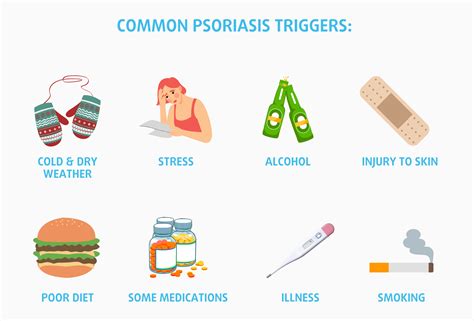
The exact cause of psoriasis is unknown, but it is linked to the immune system and genetics. Certain genes have been associated with psoriasis, and approximately 40% of individuals with the condition have a family member who also has it. While psoriasis cannot be spread from person to person, several factors can trigger or worsen flare-ups in children:
- Bacterial infections (e.g., strep throat)
- Stress
- Cold weather
- Certain medications (e.g., lithium, beta-blockers, malaria drugs)
- Skin injuries like cuts, scratches, sunburn, or rashes
- Obesity
Diagnosis of Psoriasis in Children
Physicians typically diagnose psoriasis by examining the child's skin, scalp, and nails. They will also inquire about family history, recent illnesses, and any new medications the child may be taking. In some cases, a small skin sample (biopsy) may be taken for closer examination to confirm the diagnosis and differentiate it from other conditions with similar symptoms.
Treatment Options for Pediatric Plaque Psoriasis
The goal of psoriasis treatment in children is to reduce symptoms, achieve clear or almost clear skin, and improve their quality of life. Treatment plans are tailored to the child's age, overall health, and the severity and location of the psoriasis.
Topical Treatments
For mild to moderate psoriasis, topical medications are often the first line of treatment. These are applied directly to the skin and include:
- Moisturizers: Essential for reducing itching and dryness. Products like petroleum jelly can help lock in moisture.
- Creams and Ointments: These can include anti-inflammatory creams, topical corticosteroids, vitamin D derivatives (e.g., calcipotriene), tar-based creams, and salicylic acid or urea creams (not recommended for children under 6).
- Steroid-free options: Roflumilast cream is a topical treatment approved for ages 6 and older for plaque psoriasis.
- Other topical agents: Anthralin, aloe vera, capsaicin, coal tar, jojoba, tacrolimus ointment, and zinc pyrithione are also used.
Combination topicals, such as calcipotriol and betamethasone dipropionate, are approved for ages 12 and up. For younger children, praise and small rewards can encourage adherence to topical application routines.
Phototherapy
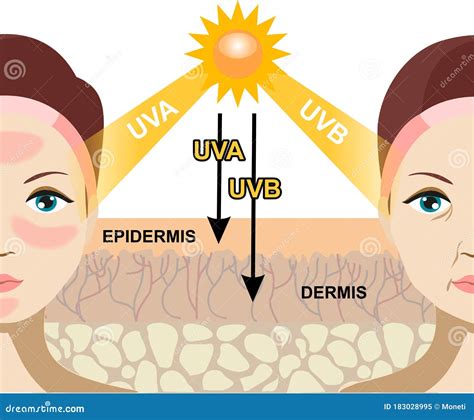
If topical treatments are insufficient or psoriasis covers a large area of the body, phototherapy may be recommended. This involves exposing the skin to specific types of ultraviolet (UV) light under medical supervision. Narrow-band Ultraviolet B (UVB) is the most common type used in children. Phototherapy can be administered in a doctor's office or at home with proper guidance. Treatments are typically given two to three times a week, with less frequent maintenance sessions once the skin clears. It's important to note that phototherapy light is different from tanning booth light.
Systemic Medications
For severe psoriasis or when joint involvement (psoriatic arthritis) is present, systemic medications, taken orally or by injection, may be prescribed. These treatments work from the inside out to control inflammation.
- Oral Systemics: Medications like methotrexate, cyclosporine, and acitretin are used, often off-label, with careful consideration of dosage and potential side effects. Methotrexate is commonly prescribed and can be taken weekly. Cyclosporine is effective for severe cases but typically used for short periods due to potential toxicity. Acitretin is a retinoid that does not suppress the immune system. Otezla (apremilast) is a PDE4 inhibitor approved for moderate-to-severe plaque psoriasis in children aged 6 and older who weigh at least 20 kg.
- Biologics and Biosimilars: These are advanced treatments made from living cells, administered via injection or infusion. They target specific parts of the immune system involved in psoriatic disease. Several biologics are FDA-approved for pediatric use, including:
- Cosentyx (secukinumab): Approved for plaque psoriasis in children 6 years and older and psoriatic arthritis in children 2 years and older. It targets IL-17A.
- Enbrel (etanercept): Approved for plaque psoriasis in children 4 years and older and psoriatic arthritis in children 2 years and older. It is a TNF-alpha inhibitor.
- Stelara (ustekinumab) and its biosimilar Wezlana: Approved for plaque psoriasis and psoriatic arthritis in children 6 years and older. They block IL-12/23.
- Taltz (ixekizumab): Approved for plaque psoriasis in children 6 years and older. It also targets IL-17A.
- Tremfya (guselkumab): Approved for moderate to severe plaque psoriasis and active psoriatic arthritis in children 6 years and older who weigh at least 40 kg. It blocks IL-23.
- Spevigo (spesolimab-sbzo): Approved for generalized pustular psoriasis in children 12 years and older weighing at least 40 kg. It blocks IL-36.
Doctors will consider the child's weight when determining the appropriate dosage for many systemic and biologic treatments. For example, COSENTYX is approved for children aged 6 and older, with dosages based on weight.
Inflammation: Immune Response to Tissue Injury or Infection
Clinical Trial Data for COSENTYX in Children
In a clinical trial involving children aged 6-18 with severe plaque psoriasis, those taking COSENTYX demonstrated significant skin clearance:
- 75 mg dose (for children <110 lbs):
- 32% achieved clear or almost clear skin at 12 weeks.
- Approximately 6 out of 10 saw at least 75% skin clearance.
- Approximately 4 out of 10 saw at least 90% skin clearance.
- 150 mg dose (for children ≥110 lbs):
- 81% achieved clear or almost clear skin at 12 weeks.
- Approximately 9 out of 10 saw at least 75% skin clearance.
- Approximately 8 out of 10 saw at least 90% skin clearance.
COSENTYX has been prescribed for adult plaque psoriasis since 2015 and is FDA-approved for several autoimmune conditions in both adults and children.
Supporting Children and Families
Managing psoriasis in children involves more than just medical treatment. Emotional and psychological support is crucial:
- Education: Help children understand their condition and encourage them to ask questions during doctor's appointments.
- Communication: Talk openly about feelings and provide factual information about psoriasis, avoiding overly emotional discussions.
- Empowerment: Allow children, especially older ones, to have a say in their treatment choices.
- Social Support: Connect with support groups, online communities, or camps for children with skin conditions. Educate school staff about the child's condition to ensure proper support in the classroom.
- Mental Health: Children with psoriasis may be at higher risk for low self-esteem and depression. Consider therapy to help them cope with daily life and social challenges.
- Healthy Habits: Promote healthy habits such as regular exercise, stress management techniques, maintaining a healthy weight, and avoiding smoking or alcohol.

Psoriasis and Related Conditions
Children with psoriasis may have an increased risk of other medical conditions, including:
- Arthritis: Inflammation of the joints, causing swelling, stiffness, and pain.
- Hyperlipidemia: High levels of fat in the blood.
- Diabetes: High blood sugar levels.
- Inflammatory Bowel Disease (IBD): Conditions affecting the intestines.
Regular pediatrician visits are important for monitoring overall health and discussing any concerns, such as joint or abdominal pain, with the doctor.