Dyshidrotic eczema, also known as dyshidrosis or pompholyx, is a type of eczema characterized by the formation of small, intensely itchy blisters, typically on the hands and feet. These blisters are little fluid-filled bubbles that can occur on the palms of the hands, soles of the feet, and the edges of the fingers and toes.
Unlike friction blisters, which often result from rubbing and cause mild irritation, eczema blisters can be intensely itchy, burn, or be very painful. As these small clusters of blisters heal, the skin beneath them may become inflamed, dry out, and subsequently crack or peel. The affected skin can appear red, brown, gray, or purple, depending on the individual's skin color.
While dyshidrotic eczema blisters often resolve on their own within a few weeks, treatment can help relieve symptoms and speed up the healing process. The fluid within these blisters, known as serum, is a normal component found surrounding cells, aiding in nutrient delivery and waste removal. However, in cases of inflammation or injury, this serum can accumulate to form blisters.
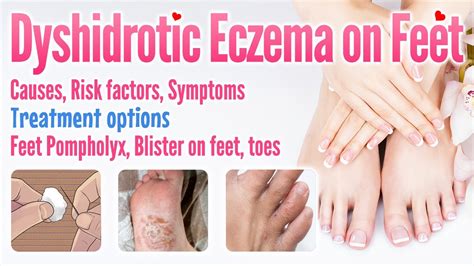
Causes and Triggers of Dyshidrotic Eczema
The exact cause of dyshidrotic eczema remains unknown, but experts suspect a connection to hypersensitivity to potential allergens. Common triggers can include:
- Metals: Such as nickel or cobalt, found in jewelry or dental fillings.
- Product Ingredients: Fragrances or specific ingredients in skincare products, soaps, or laundry detergents.
- Medications: Particularly aspirin or birth control pills.
- Substances: Such as tobacco products.
- Fungal Infections: Like the type that causes athlete's foot.
A doctor can perform skin patch testing to identify specific allergies. Avoiding identified allergens may help prevent the formation of dyshidrotic eczema blisters.
Individuals with other forms of eczema, asthma, allergic sinusitis, or hay fever may be more prone to developing dyshidrosis. Additional risk factors include:
- Work environments exposing individuals to substances like cement or metals.
- Frequent hand washing.
- Having consistently wet or sweaty hands.
Distinguishing Eczema Blisters from Friction Blisters
Friction blisters, often caused by ill-fitting shoes, are typically a response to mechanical rubbing. They usually present as mild irritation. In contrast, dyshidrotic eczema blisters are characterized by intense itching, burning sensations, or significant pain. While friction blisters often heal without specific treatment beyond reducing the source of friction, eczema blisters require management of the underlying condition.
Symptoms and Progression of Dyshidrotic Eczema
Dyshidrotic eczema symptoms are episodic and can last for several weeks. Key symptoms include:
- Small, firm blisters
- Pain or soreness
- Intense itching
- Peeling or scaling skin
- Changes in skin color
- Excessive sweating
- Dryness and cracking after blisters resolve
In severe instances, blisters can enlarge and spread to the backs of fingers, hands, and feet, but they do not typically spread to other parts of the body. As the blisters heal, the skin can become dry, peel, or develop deep, painful cracks. Chronic scratching can lead to thickened skin over time.
The initial stage of a flare-up involves inflammation, leading to redness, itching, and soreness. This can progress to fluid-filled blisters that may ooze, accompanied by swelling and pain. If left untreated, a flare-up can become more difficult to manage. The healing stage may involve cracks, flakiness, and a burning or stinging sensation. In chronic cases, the skin can become thickened and leathery.
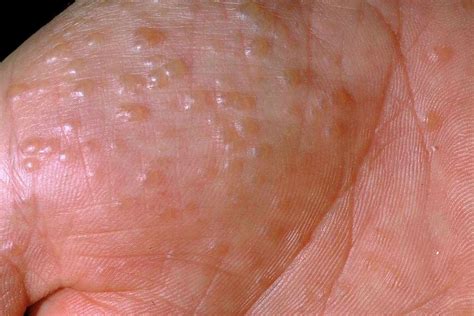
Is it Okay to Pop Eczema Blisters?
Despite the temptation to pop eczema blisters, especially when they are itchy or painful, it is strongly advised against. Popping blisters can:
- Increase Pain: It can cause more discomfort than the original blister.
- Risk Infection: Opening the skin allows bacteria to enter, potentially causing a secondary infection. The serum within the blister actually acts as a protective barrier against infection.
- Delay Healing: Wounds from popped blisters take longer to heal.
- Cause Scarring: Repeatedly opening blisters or scratching can lead to permanent scarring or thickened skin.
Scratching and picking at blisters should also be avoided to maintain cleanliness and prevent infection. If blisters are large or cause significant discomfort, a healthcare professional may be able to safely drain them. However, dyshidrotic eczema blisters are often very small and not typically drainable.
Managing and Treating Dyshidrotic Eczema
Management of dyshidrotic eczema focuses on symptom relief, preventing new blisters, and avoiding triggers. Effective strategies include:
Home Remedies and Over-the-Counter Treatments
- Gentle Skincare: Daily washing with a mild, fragrance-free cleanser and applying a thick moisturizing cream with ceramides while the skin is still damp.
- Product Avoidance: Steering clear of personal care products containing fragrances.
- Protective Measures: Wearing gloves when using household cleaners.
- Cool Compresses: Applying a cool compress for 15-minute intervals, 2-4 times daily, can help relieve pain and itching.
- Topical Corticosteroids: Mild over-the-counter options like hydrocortisone cream can reduce inflammation. It's recommended to allow these to absorb before applying moisturizer.
- Antihistamines: Taking an antihistamine, after consulting a doctor, may aid in managing itching, particularly at night.
- Emollients: Using medical moisturizers as soap substitutes for washing and for regular moisturizing is crucial.

Medical Treatments
If blisters do not resolve or new ones appear, consulting a doctor or dermatologist is recommended. Prescription treatments may include:
- Prescription-strength hydrocortisone cream.
- Calcineurin inhibitors.
- Injectable treatments like dupilimumab (Dupixent) for severe atopic dermatitis.
- Phototherapy (UVB or PUVA).
- Topical treatments such as ruxolitinib (Opzelura), tapinarof (VTAMA), and roflumilast (Zoryve).
- Injections like tralokinumab-ldrm (Adbry), lebrikizumab-lbkz (Ebglyss), and nemolizumab-ilto (Nemluvio).
- Oral janus kinase (JAK) inhibitors.
- Antibiotics: If blisters become infected, a doctor can prescribe antibiotics.
- Potassium Permanganate Soaks: These may be advised for weeping or oozing skin to help dry it out and prevent infection.
- Potent Topical Steroids: Often prescribed for hand eczema due to thicker skin.
- Oral Steroids: A short course may be prescribed for very severe outbreaks.
- Alitretinoin (Toctino): An oral treatment for severe chronic hand eczema that hasn't responded to potent topical steroids.
For severe cases of dyshidrotic eczema, a referral to a dermatologist may be necessary for further diagnosis and treatment, potentially including patch testing for contact allergies or immunosuppressant medications.
Does Eczema Spread?
Eczema, including dyshidrotic eczema, is not contagious. It cannot be spread from person to person through physical contact. The appearance of eczema spreading across the skin is due to the condition progressing on an individual's own body, often exacerbated by scratching or new exposure to triggers.
While eczema itself doesn't spread between people, secondary infections that develop in broken skin from scratching can be transmissible. However, this is a separate bacterial or viral infection, not the eczema itself spreading.
Eczema Animation
How Eczema Spreads on Your Own Body
Eczema can spread to different areas on an individual's body during flare-ups. This spread is often influenced by:
- The Itch-Scratch Cycle: Scratching triggers inflammation, leading to more itching and further scratching, which can spread the rash. Damaged skin from scratching also becomes more susceptible to irritants and allergens.
- Inflammation: The inflammatory process itself can extend to surrounding skin.
- Triggers: Exposure to new or existing triggers in different areas can cause new patches to form.
Common areas where eczema can spread include the face, neck, upper chest, hands, wrists, fingers, backs of the knees, elbow creases, ankles, and feet. Certain types of eczema target specific areas; for instance, dyshidrotic eczema is confined to the hands and feet.
What Triggers Eczema to Spread
Several factors can trigger eczema to spread:
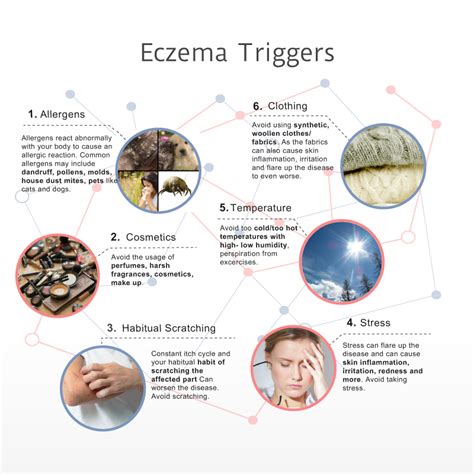
- Environmental Irritants and Allergens: Soaps, detergents, cleaning supplies, certain fabrics (wool, polyester), pollen, dust mites, mold, and cigarette smoke.
- Climate Conditions: Extreme heat, humidity, or dry winter air can worsen symptoms.
- Genetic and Immune System Factors: A predisposition to eczema, often inherited, combined with an overactive immune response.
- Emotional Stress and Hormonal Changes: Stress can increase cortisol levels, promoting inflammation. Hormonal fluctuations, such as during puberty or menstruation, can also affect eczema.
- Infections: Secondary bacterial or fungal infections can exacerbate and spread eczema.
Recognizing the signs of spreading eczema, such as changes in skin texture and color, new areas of irritation, and signs of infection (like yellow crusting or pus), is crucial for timely intervention.
Preventing Flare-Ups and Spread
Preventing eczema from spreading involves a comprehensive approach:
- Avoid Triggers: Identify and eliminate personal triggers, including allergens, irritants, and stress.
- Consistent Skincare: Keep skin clean, dry, and well-moisturized, using gentle, fragrance-free products. Apply emollients regularly, especially after washing.
- Protective Measures: Wear gloves when handling irritants or during prolonged water exposure. Opt for cotton liners under waterproof gloves.
- Stress Management: Incorporate stress-reduction techniques like deep breathing, meditation, or exercise.
- Proper Clothing: Choose breathable fabrics like cotton, bamboo, or silk.
- Avoid Scratching: Break the itch-scratch cycle by using anti-itch creams (but avoid topical antihistamines for eczema) and keeping nails trimmed.
If dyshidrotic eczema is persistent, worsening, or significantly impacting daily life, seeking professional medical advice is essential for appropriate diagnosis and treatment.